Start your journey toward a safer business environment by reconsidering what "security" actually means in today's Michigan landscape. For years, small business IT and security meant having a camera that recorded a crime so you could show the police the next day. But in cities like Detroit, Grand Rapids, and Lansing, the clock is the enemy during an active emergency.
Begin by acknowledging that the gap between an alarm trigger and a first responder’s arrival is often a "black box" of information. This guide is designed to coach you through the transition from passive recording to active, real-time intelligence. By implementing 911 Camera Share through ClearPath IT, you are not just buying hardware; you are building a bridge.
1. Bridging the Gap to First Responders
Share with your team the reality that communication is the most critical tool in a crisis. Traditionally, when an alarm sounds, a dispatcher receives a notification, calls the owner, and then dispatches officers who arrive on the scene "blind." Use this space to imagine a different scenario: one where the dispatcher sees what your cameras see the moment an emergency is verified.
911 Camera Share through ClearPath IT helps dispatchers bridge this data gap. By integrating your security system with platforms like RapidSOS, authorized first responders can access live feeds during an active 911 call. This isn't about constant surveillance by the state; it's about providing a visual lifeline when seconds count.
"True security isn't about watching what happened; it's about seeing what is happening right now to change the outcome." : ClearPath360 Perspective
As you move toward a more integrated approach, remember that your role as a business owner is to facilitate the flow of accurate information. This integration ensures that when Michigan's first responders arrive, they have the situational awareness needed to act effectively and safely.
2. Why Legacy Systems are Only Half-Ready
Identify the limitations of your current setup. Most Michigan businesses rely on legacy DVR/NVR solutions that are "half-ready." They record beautifully, but they are silos of information. If your video data is trapped on a hard drive in a back office, it provides zero value during an active robbery or medical emergency.
Strike a balance between appreciating your existing investment and recognizing its flaws. A legacy Alarm System might tell a dispatcher that a "zone" was tripped, but it won't tell them if it was a shattered window or a staff member who forgot the code. 911 Camera Share through ClearPath IT transforms these blind alerts into actionable visual data.
Keep your language focused on the "why": Legacy systems were built for evidence; modern systems are built for intervention. When you work with a Managed IT provider like ClearPath360, we help you transition these legacy components into a cohesive, cloud-connected ecosystem.
3. Real-Time Intel for Dispatchers: The Visual Advantage
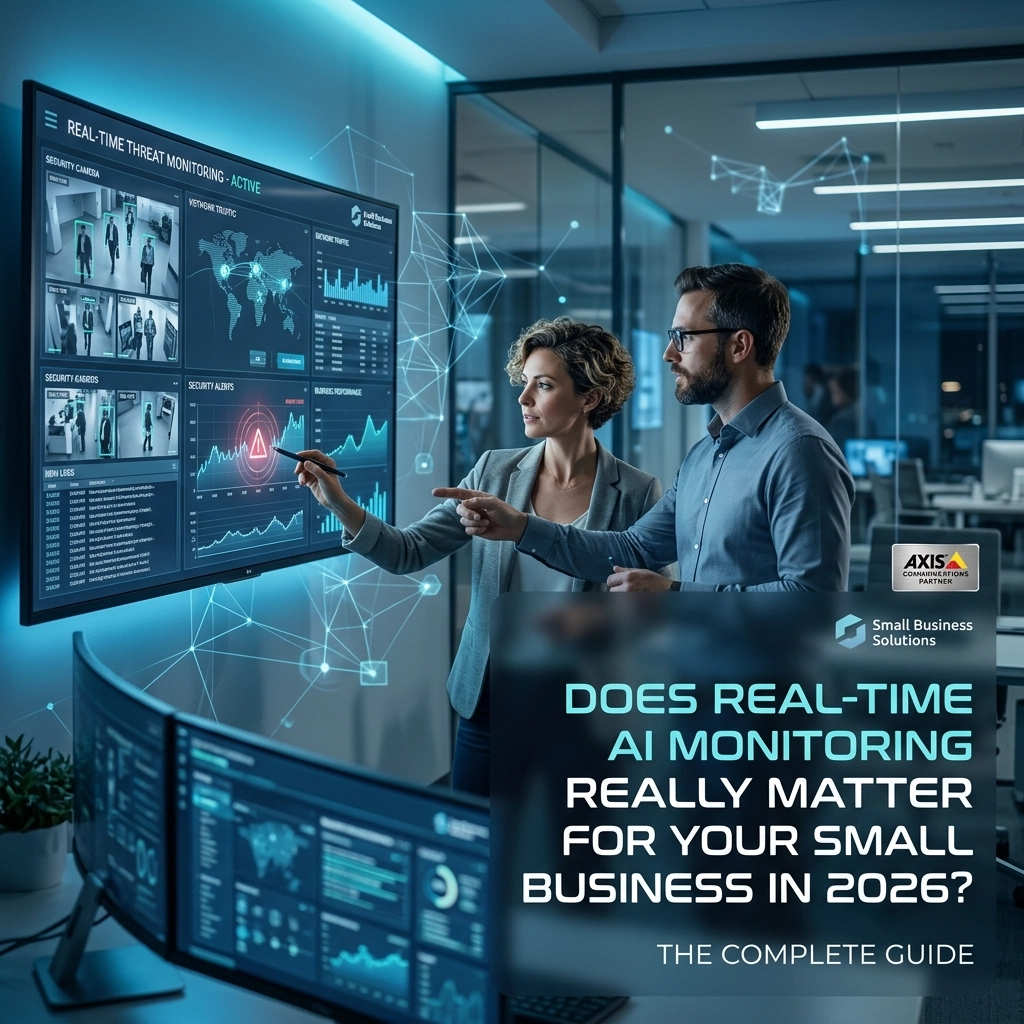
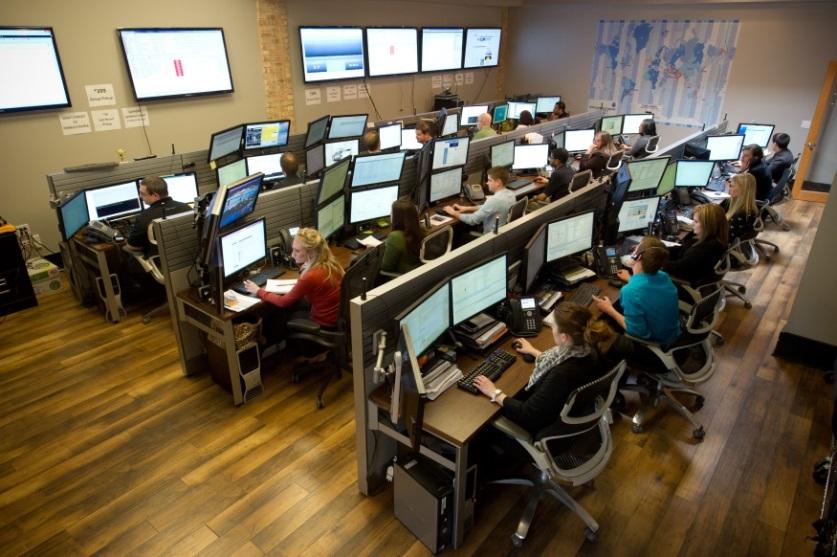
Begin by visualizing the dispatcher’s desk. They are the air traffic controllers of public safety. When you integrate Axis Cameras with a 911-sharing protocol, you give those dispatchers a set of eyes inside your building.
This technology can help dispatchers identify:
- The number of suspects and their descriptions.
- Whether suspects are armed.
- The exact location of employees seeking shelter.
- The fastest entry point for paramedics or police.
Use this section to understand the "can help" philosophy. We never guarantee response times: those are subject to local department resources: but we can guarantee that the information sent to those departments is superior. This is where Network Audio can also play a role; dispatchers might even be able to communicate directly through your speakers to de-escalate a situation before officers even arrive.
4. Prioritizing Employee Safety Benefits
Use this section to focus on your most valuable asset: your people. Every Michigan business owner knows that the labor market is tight and employee retention is key. Showing your staff that you’ve invested in 911 Camera Share through ClearPath IT sends a powerful message about their value.

Keep your language empathetic. Employees feel safer knowing that if they hit a panic button, someone isn't just listening: they are watching and guiding help directly to them. This proactive stance on safety can help reduce workplace anxiety and improve overall morale.
Strike a balance between technology and humanity. While Access Control keeps the wrong people out, Camera Share ensures the right people get in quickly when it matters most. It’s a comprehensive approach to "360° Protection" that covers the digital, physical, and emotional wellbeing of your workspace.
5. Insurance and Liability Considerations
This is where you should look at the bottom line. As a business owner, liability is a constant shadow. In the event of an incident, being able to prove that you took every possible step to ensure a rapid and informed response is a massive legal advantage.
Begin by consulting with your insurance provider about your IT and security upgrades. While every policy is different, many carriers look favorably on businesses that utilize "verified dispatch" technologies. Because 911 Camera Share helps reduce false alarms (which are a major drain on city resources and can result in fines), it can help position your business as a lower risk.
Include a moment of reflection here:
"Risk management is the art of eliminating 'I wish I had' from your vocabulary."
By documenting your commitment to high-level security through Managed IT Services and integrated surveillance, you are building a robust defense against liability claims.
6. Technical Integration with Axis Communications
As you move toward the technical execution, focus on why hardware choice matters. At ClearPath360, we lean heavily on Axis Communications because their hardware is designed for this level of sophisticated integration.

Share the technical "secret sauce" with your IT team:
- Axis Cameras: High-resolution optics that provide the clarity dispatchers need to make split-second decisions.
- Edge Computing: Processing data on the camera itself to ensure fast transmission to 911 hubs.
- Secure Pipelines: Using encrypted connections to ensure that your camera feeds are only accessible to 911 operators during an active emergency, maintaining your privacy at all other times.
This isn't just about sticking a camera on a wall. It’s about Network Security and ensuring that your surveillance system doesn't become a backdoor for cybercriminals. Our Help Desk and engineering teams ensure that the bridge to first responders is both open when needed and locked tight when it’s not.

Taking the Next Step for Your Michigan Business
Maintain a professional yet accessible tone as you conclude this guide. The transition to 911 Camera Share through ClearPath IT is a process, not a one-day event. It requires a partner who understands the local Michigan landscape and the intricacies of both IT and physical security.
Start by auditing your current system. Are your cameras positioned to see entry points clearly? Is your internet bandwidth sufficient for high-def streaming to a dispatcher? Does your Access Control integrate with your video?

Use this space to reach out. At ClearPath360, we don't just sell boxes; we design paths to safety. Whether you need a full Managed IT overhaul or a specific security upgrade, we are here to ensure your business is more than just "half-ready."
This is your chance to lead your industry in safety and innovation. By bridging the gap to first responders, you aren't just protecting your inventory; you're protecting the future of your business. Let’s build that bridge together.