Hey there, I’m James Bowers, Owner of ClearPath360. If you’re running a business here in Michigan: whether you’re in the heart of Detroit, the growing tech hubs of Grand Rapids, or a quiet storefront in Traverse City: you know that security isn't just about a lock on the door anymore. It’s about data, it’s about people, and frankly, it’s about how fast help arrives when things go south.
As you begin this guide, I want you to take a hard look at your current security setup. Most business owners I talk to think they’re covered because they have a few cameras and an alarm. But I’m here to tell you that there’s a massive gap between "having a camera" and "being protected."
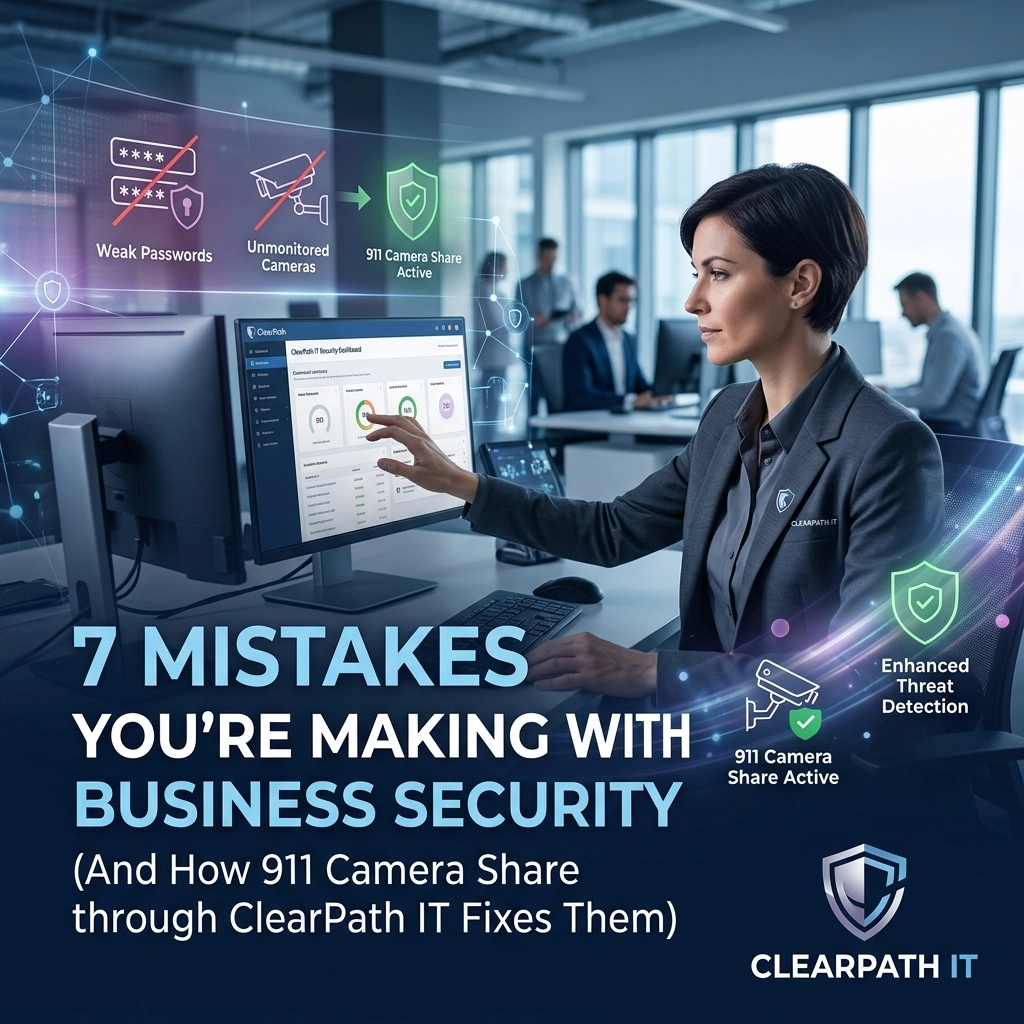
Use this post as a roadmap to audit your own facility. We’re going to walk through seven critical mistakes that could be leaving your business vulnerable and show you how 911 Camera Share through ClearPath IT is changing the game for Michigan business safety.
1. Thinking "Recorded Video" Is the Same as "Active Protection"
Start by asking yourself a simple question: What happens to your video footage during an emergency? For most, the answer is "nothing." The camera records the event, and you watch the playback the next day to see what went wrong. That’s reactive, and in a crisis, reactive is too late.
Legacy systems are only half-ready because they lack connectivity. They are islands of data. This is where you should consider the power of integration. By bridging the gap between your physical site and first responders, you transform your cameras from passive observers into active participants.
"Security is not a product, but a process. The moment your technology stops communicating, your process breaks down."
911 Camera Share through ClearPath IT allows you to grant temporary, secure access to your live feeds directly to 911 dispatchers when an alarm is triggered. This doesn't mean they are watching you 24/7; it means when it counts, they can see exactly what’s happening.
2. Leaving Your Dispatchers in the Dark
When you call 911, the dispatcher is usually flying blind. They rely on the caller’s description, which: let’s be honest: is often frantic and incomplete during a high-stress situation.
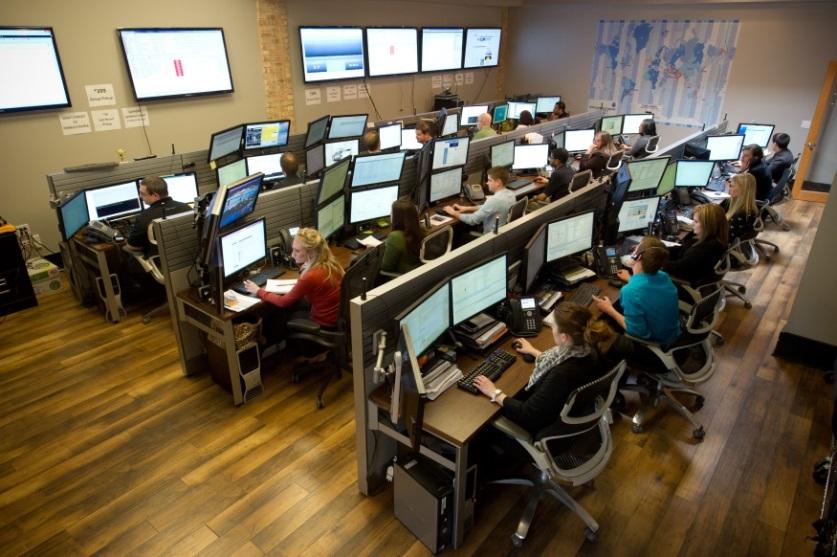
Use this space to visualize a different scenario. Imagine a dispatcher being able to see a live feed of your sales floor or warehouse the moment an emergency call comes in. They can see if a suspect is armed, where they are located, and if there are injured parties. This real-time intel helps dispatchers relay vital information to responding officers before they even step out of their cruisers.
By providing this level of clarity, you aren't just calling for help; you’re providing a tactical advantage. This helps dispatchers make better-informed decisions, which can help ensure the right resources are sent to your location.
3. Ignoring the "Technical Silo" Between IT and Security
As you move toward modernizing your business, you might be tempted to keep your "IT guy" and your "Security guy" in separate corners. That’s a mistake. In 2026, your security system is your network.
If your cameras are dragging down your bandwidth or your network security isn't robust enough to handle remote streaming, your 911 Camera Share won't work when you need it. This is why we emphasize managed services. At ClearPath360, we treat your surveillance as a critical piece of your IT infrastructure.
Strike a balance between hardware and software. We utilize Axis Communications technology because their cameras are essentially high-powered computers with lenses. They integrate seamlessly into your existing network, managed by our help desk to ensure they are always online, updated, and secure.
4. Overlooking Employee Mental Health and Safety
Share this section with your HR manager or operations lead. Business security isn't just about protecting inventory; it's about the people who show up every day. Employees feel a different level of confidence when they know that if an emergency occurs, the police aren't just "on the way": they are actively watching over them via 911 Camera Share.
This psychological safety can improve morale and retention. When your team knows you’ve invested in the most advanced tech to bridge the gap to first responders, they feel valued. It’s a tangible way to show that their safety is your top priority.

5. Using "Black Box" Proprietary Hardware
Keep your language simple when evaluating hardware: Avoid the "black box" trap. Many security companies sell you proprietary systems that don't talk to anything else. If you want to integrate with the local Michigan law enforcement’s digital platforms, you need open-standard technology.
This is where our technical integration with Axis Communications becomes your biggest asset. As an Axis partner, we deploy Axis Cameras, Access Control, and Network Audio systems that are designed to play well with others.
- Axis Cameras: High-definition clarity so dispatchers can actually see faces and license plates.
- Access Control: The ability to remotely lock or unlock doors during an incident.
- Network Audio: Allowing dispatchers or security personnel to speak directly through speakers on-site to deter intruders.
Using these tools, 911 Camera Share through ClearPath IT creates a cohesive ecosystem rather than a collection of random gadgets.
6. Failing to Consider Insurance and Liability
This is a point where you can include a conversation with your insurance provider. Many Michigan business owners are surprised to learn that advanced surveillance and integrated emergency response systems can impact their liability standing.
While we never make absolute guarantees on response times, having a system that helps dispatchers "verify" a crime in progress can be a major factor in how incidents are handled. False alarms are a plague for police departments and often lead to hefty fines for business owners. 911 Camera Share allows for visual verification, which can help reduce the frequency of false alarm penalties and demonstrate to insurance carriers that you are taking proactive steps to mitigate risk.
7. Neglecting the "Michigan Factor" in Your Tech Strategy
Finally, let’s talk about being local. A security company based in another state doesn't understand the specific needs of a small business IT setup in Michigan. Whether it’s dealing with our unique weather affecting outdoor Axis Cameras or understanding the local police dispatch protocols in counties like Oakland, Wayne, or Kent, geography matters.
Use this space to reflect on the importance of local expertise. When you work with ClearPath360, you aren't just getting a software license. You’re getting a Michigan-based partner who can be on-site to ensure your data backup and recovery is solid and your 911 Camera Share is configured correctly for your specific municipality.
"A local partner doesn't just see a ticket number; they see a neighbor's business that needs protecting."
As you move toward the end of your security audit, think about the momentum you can build by fixing these seven mistakes. You can move from a state of "hoping for the best" to a state of "total 360-degree protection."

Your Next Steps for a Safer Michigan Business
Begin by evaluating your current cameras. Are they older than three years? Do they connect to your network, or are they isolated? If you’re ready to stop making these common mistakes and start leveraging 911 Camera Share through ClearPath IT, it’s time for a conversation.
We’re not just an IT company; we’re your partners in building a more resilient Michigan. From Axis Communications hardware to the complex cloud computing infrastructure that powers it, we’ve got your back.
Don't wait for an incident to find out your legacy system wasn't enough. Let’s bridge the gap together. You can reach out to us at our contact page or set up a consultation via our scheduling link. Let's make sure your business has the real-time intel it needs to stay safe.
Stay secure, Michigan.