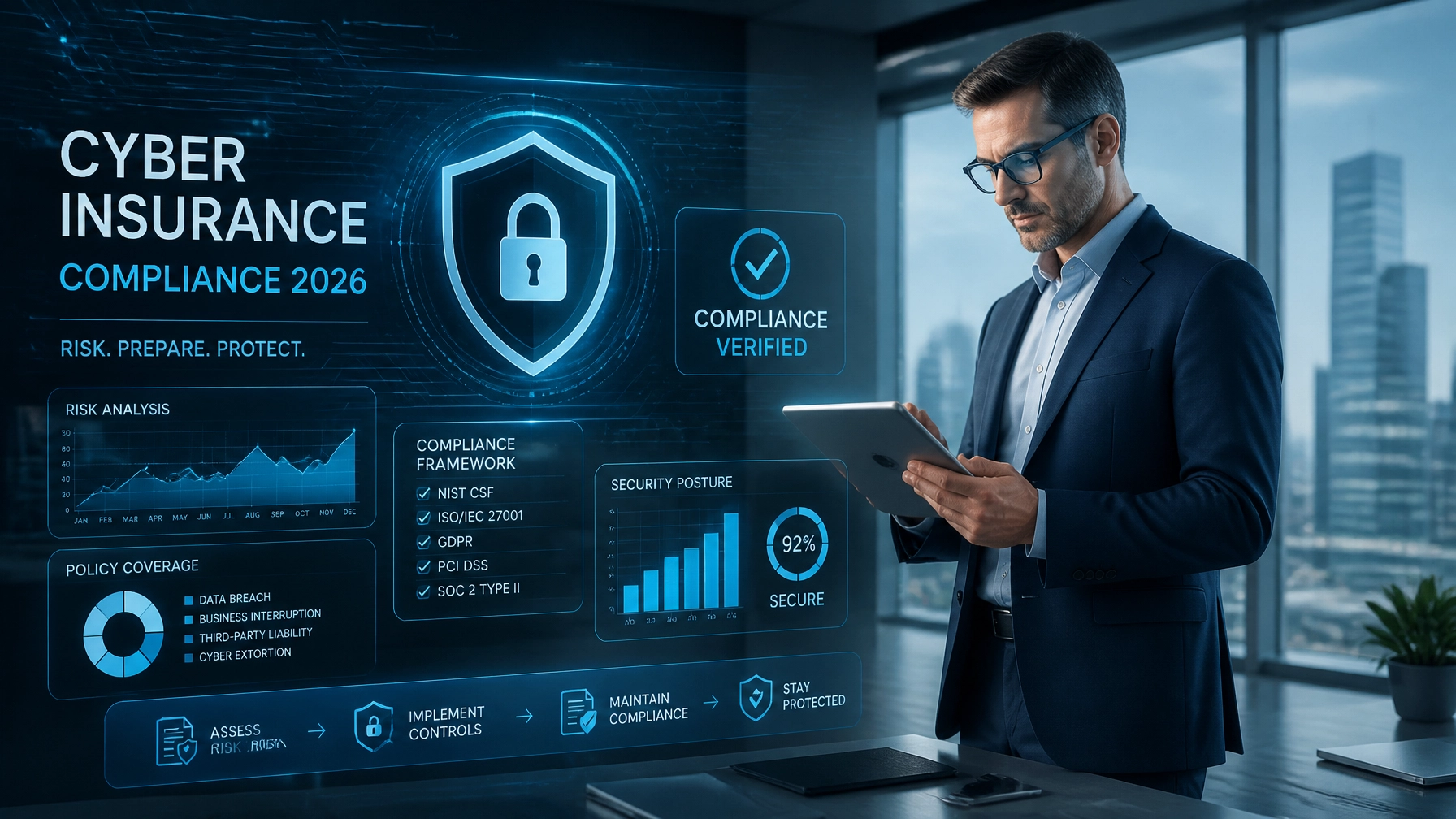
Begin by visualizing your current security posture as a high-tech fortress. You have the walls (firewalls), the guards (antivirus), and the biometric gates (Multi-Factor Authentication). But what happens if an intruder doesn’t try to break the gate, but simply clones the "all-access" badge of a guard who is already inside? In 2026, this is the reality of session hijacking.
As you read this guide, keep your focus on the "session": the period of time after you’ve logged in when the website "remembers" you. Share this realization with your IT team: your MFA is a gatekeeper, but once the gate is open, the session cookie is the only thing proving you belong there. If that cookie is stolen, the gatekeeper is irrelevant.
Understanding the "Pass-the-Cookie" Crisis
Use this space to contemplate a startling statistic: in the last year alone, billions of stolen cookie records have been recovered from the dark web. This isn't just a theoretical threat for Silicon Valley; it is a direct risk to businesses right here in Genesee County.
When you log into your email or banking portal, the site places a small piece of data: a cookie: in your browser. This cookie tells the server, "This user has already provided their password and MFA; let them in." Attackers now use sophisticated "info-stealing" malware to reach into your browser, grab that active cookie, and "pass" it into their own browser.
The result? The attacker is instantly logged into your account, bypassing your MFA entirely because the system thinks they are already you.

Why Traditional MFA Isn't Enough in 2026
Strike a balance between confidence in your tools and a healthy skepticism of their limits. While we always advocate for MFA, you must understand that not all MFA is created equal.
- Adversary-in-the-Middle (AiTM): Phishing sites now act as a live proxy. When you enter your MFA code into a fake site, the attacker passes it to the real site in real-time, captures the resulting session cookie, and kicks you out.
- Browser Sync Risks: Many employees sync their work browsers with personal devices. If a home computer is compromised, those "work" cookies are often synced right into the hands of a waiting attacker.
"True security is not a destination reached by checking a box; it is a continuous state of vigilance where we assume the perimeter has already been breached and act accordingly." : The ClearPath360 Philosophy
Step 1: Harden Your Digital Sessions
Begin by implementing a "Zero Trust" approach to your web sessions. This is where you move from reactive support to proactive protection. Use these directives to guide your IT strategy:
- Enforce Strict Cookie Attributes: Direct your developers or managed service providers to mark all session cookies as
SecureandHttpOnly. This prevents them from being sent over unencrypted connections or accessed by malicious scripts. - Shorten Your Session Lifetimes: Don't let sessions stay active for days. Enforce aggressive idle timeouts. If an employee isn't active for 30 minutes, make them re-authenticate.
- Adopt Phishing-Resistant MFA: Move away from SMS and push notifications toward FIDO2/WebAuthn security keys. These hardware-backed solutions are bound to the specific website URL, making it nearly impossible for a phishing site to intercept the token.
The Intelligent Sentry: Merging Digital and Physical Security
As you move toward a more resilient infrastructure, remember that security doesn't end at the keyboard. At ClearPath360, we believe in a 360-degree view. In 2026, the same hackers stealing your cookies are often looking for physical vulnerabilities to exploit.
This is where "The Intelligent Sentry" theme comes into play. By integrating your managed IT services with intelligent surveillance, you create a "mesh" of protection. If an account is accessed from a suspicious location, your system should immediately correlate that with the physical access logs of your office in Flint or Grand Blanc.

The Genesee County 911 Camera Share Initiative
Keep your language focused on the community benefit of advanced technology. We are pushing for businesses, schools, and churches in Genesee County to embrace the 911 Camera Share initiative.
Imagine a scenario where a "weapon detection" alert is triggered at a local school via an AI-driven surveillance system. Through 911 Camera Share, live video feeds can be instantly securely shared with local dispatchers and first responders. This provides the "eyes on the ground" needed to save lives before the first squad car even arrives.
As a Silver Partner with Axis Communications, ClearPath360 provides the hardware and the encrypted network backbone to make this possible. We don't just sell cameras; we build public safety infrastructure.

Your Roadmap to 360-Degree Resilience
This is your chance to take control of the narrative. Don't wait for a data breach to realize your "cookies" are vulnerable. Use this roadmap to audit your business today:
- Audit Your Managed IT: Are they monitoring for "impossible travel" (e.g., a user logging in from Fenton and then five minutes later from an IP in Eastern Europe)?
- Upgrade Your Surveillance: Move beyond passive recording. Implement behavioral detection that can identify unauthorized entry or potential threats before they escalate.
- Engage with the Community: Join the movement for a safer Genesee County by preparing your infrastructure for emergency camera sharing.
A Forward-Looking Conclusion
Maintaining a balance between being informative and inspirational is key to long-term success. The digital landscape of 2026 is complex, but it is not unmanageable. By pairing proactive Managed IT with intelligent physical surveillance, you aren't just checking a box for your insurance company: you are building a business that can withstand the storms of the modern world.
Are you ready to see the full 360-degree view of your security? Contact ClearPath360 today to schedule a comprehensive audit of your IT and surveillance systems.