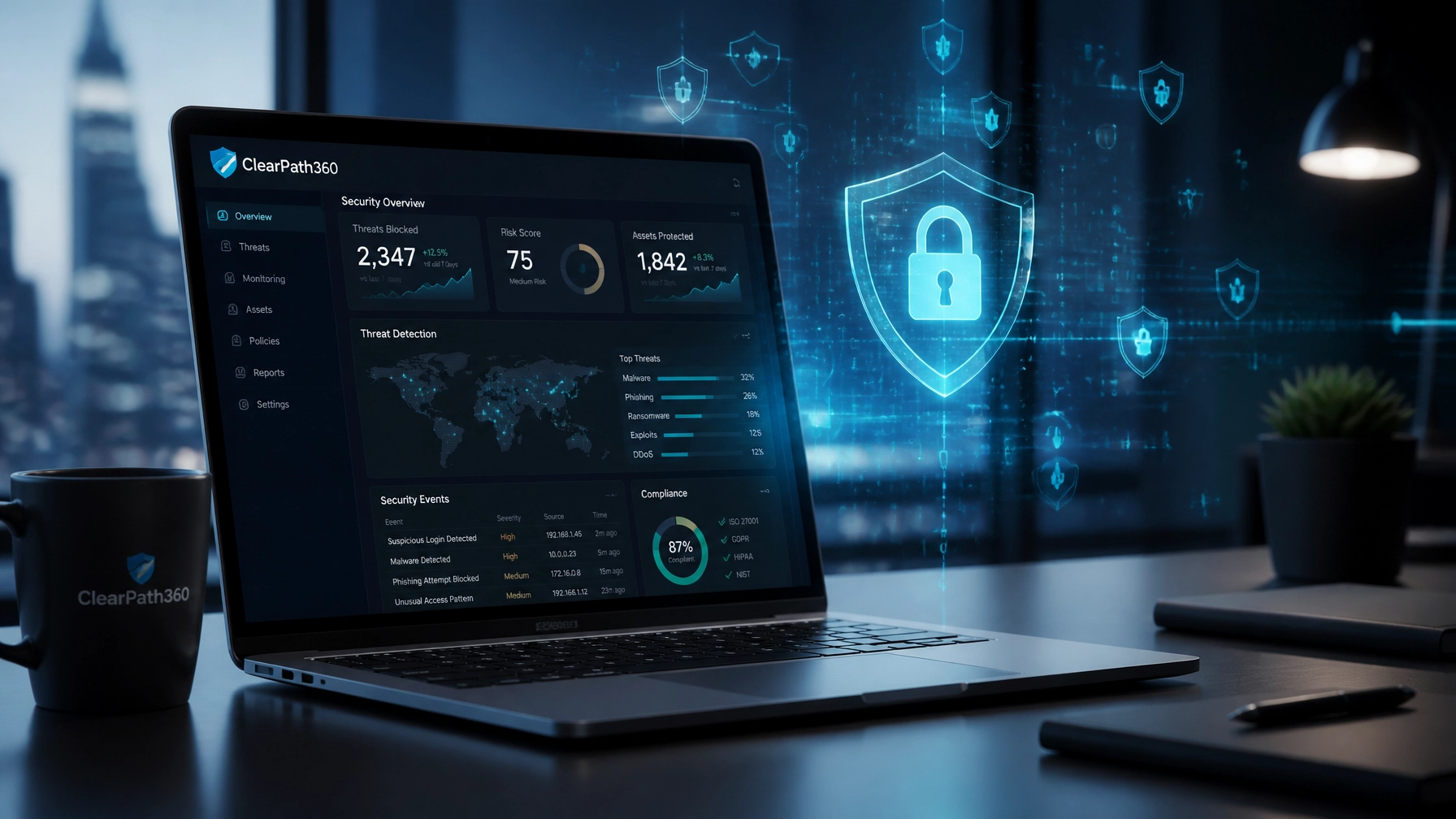
Begin by acknowledging the current landscape: we live in an era where "AI" is the buzzword of choice for every security vendor on the market. In Genesee County, where community safety is a top priority for our schools, churches, and small businesses, the promise of "The Intelligent Sentry": a system that never sleeps and sees everything: is incredibly alluring. However, the gap between a shiny sales pitch and a resilient security posture is often filled with critical errors.
This article serves as your strategic guide to identifying these pitfalls before they become vulnerabilities. Use this space to reflect on your current security setup as we walk through the seven most common mistakes businesses make when implementing AI-driven security and, more importantly, how you can pivot toward a more secure, 360-degree approach.
1. Treating AI as a Replacement, Not a Tool
Share the most fundamental misunderstanding in modern tech: the idea that AI can completely replace human oversight. Many organizations in our community deploy advanced video analytics and then reduce their security staff, assuming the software will "handle it."
Keep your language focused on the human-AI partnership. AI is exceptional at scanning thousands of hours of footage for a specific object: like a weapon or a specific vehicle: but it lacks the contextual judgment of a trained professional. When the AI flags a "suspicious person" at a local school, it’s the human dispatcher who understands whether that person is a parent running late or a potential threat.
"Technology is a useful servant but a dangerous master." : Christian Lous Lange
As you move toward a better model, focus on creating workflows where AI acts as the first filter, flagging events for human review. This ensures that your team isn't overwhelmed by data but remains the ultimate decision-maker in critical moments.
2. Operating in Security Silos
Use this section to highlight the "360-degree approach" that defines a truly resilient infrastructure. A common mistake is treating managed IT, cybersecurity, and physical surveillance as three separate islands. You might have the best AI-driven cameras in Flint, but if the network they run on isn't secure, those cameras become an entry point for hackers.
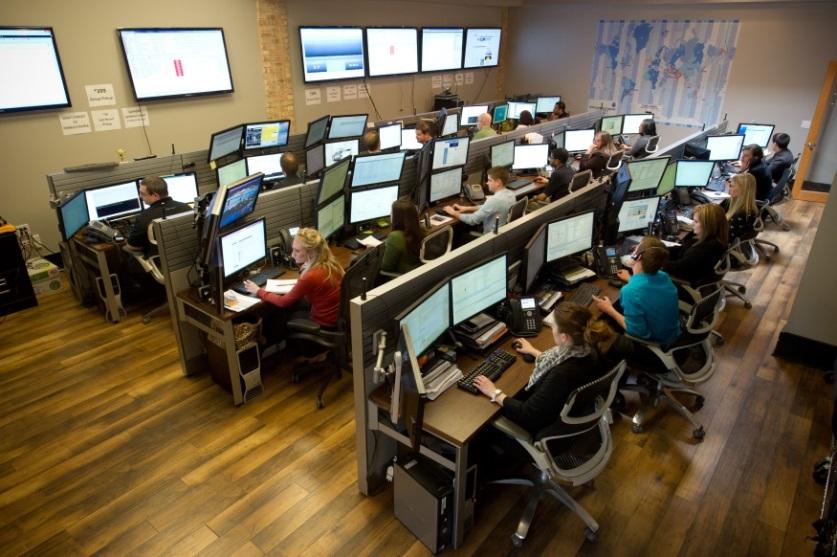
Strike a balance between physical and digital safety. When you integrate these systems: as we do at ClearPath360: you create a unified defense. If a cybersecurity alert triggers, your physical surveillance can automatically pivot to monitor the server room. This is how you move from reactive support to proactive protection.
3. Neglecting the Nuance of Privacy and Compliance
This is where you must address the unique needs of public safety sectors like schools and churches. A mistake often made is implementing aggressive AI tracking without a clear governance framework. In an environment involving minors or worshippers, privacy isn't just a legal requirement; it's a matter of trust.
Begin by reviewing your data retention policies. Are you keeping video of students longer than necessary? Is the data being shared with third-party AI vendors without your knowledge? Fix this by establishing a formal AI governance policy that defines who can view footage, for what purpose, and for how long. Transparency with your community: parents and congregants: is the only way to build a sustainable security program.
4. Overlooking the Power of Community: The 911 Camera Share
In Genesee County, one of the biggest mistakes a business or institution can make is operating in total isolation. Many organizations are unaware of the 911 Camera Share initiative, which allows local law enforcement to access live feeds during an active emergency.

Use this space to explain the value of collaboration. By integrating your "Intelligent Sentry" with the county's emergency response system, you aren't just protecting your building; you're providing vital real-time intelligence to first responders. This "Camera Share" can be the difference between a delayed response and a precise, life-saving intervention.
5. Skipping the "Red Team" Stress Test
Share the importance of adversarial thinking. A mistake we often see is "set it and forget it" syndrome. Organizations assume that because the AI worked on day one, it will work forever. But lighting changes, foliage grows over lenses, and bad actors find ways to spoof detection algorithms.
Employ directive language here: Test your systems regularly. Conduct "red team" exercises where you attempt to bypass your own AI detection. Does it catch someone in a costume? Does it recognize a weapon at 2:00 AM in the rain? If you aren't testing your AI against real-world scenarios, you aren't truly secure.
6. Settling for Consumer-Grade Hardware
This section is your chance to emphasize quality. Many businesses try to save costs by using consumer-grade "smart" cameras that claim to have AI. These often lack the processing power and cybersecurity hardening required for professional use.

As an Axis Communications Silver Partner, we advocate for enterprise-grade hardware. High-quality sensors from partners like Axis provide the clean, high-resolution data that AI needs to function accurately. Low-quality video leads to "garbage in, garbage out": high false-positive rates that eventually lead to your team ignoring alerts altogether.
7. Failing to Plan for "Model Drift"
End the list by looking toward the future. AI models can "drift" over time as environment conditions change or as the software receives updates. A mistake is failing to have a professional partner monitor the health of these AI integrations.
Maintain a consultative tone as you explain that AI requires ongoing maintenance, just like any other part of your IT infrastructure. Regular audits of detection accuracy and system logs are essential to ensure your "Intelligent Sentry" remains sharp and reliable.
The Path Forward: Your 360-Degree Security Audit
As you move toward the conclusion of this guide, remember that the goal isn't just to buy more technology: it's to build a resilient infrastructure that grows with your business. Whether you are managing a school in Grand Blanc or a business in downtown Flint, your technology should provide peace of mind, not more complexity.
This is your chance to take the first step. Reflect on these seven mistakes and ask yourself: "Where is our perimeter most vulnerable?" By focusing on proactive protection and community integration through initiatives like 911 Camera Share, you can transform your security from a hidden cost into a strategic asset.
Stay tuned for our upcoming posts this week as we continue to explore the intersection of Managed IT and advanced security themes. We are here to help you navigate the complexity, ensuring your technology just works, so you can focus on what matters most.
Contact ClearPath360 today to schedule your comprehensive security and IT audit.