Begin by acknowledging the high-pressure environment that April brings to every small business owner in Genesee County. Tax season isn’t just a financial hurdle; it’s a digital minefield. While you’re focused on deductions and spreadsheets, cybercriminals are focused on your vulnerabilities. Use this guide to identify where your defenses are crumbling and how to fortify them before the filing deadline.
1. The Reliance on "Break-Fix" IT Instead of Proactive Defense
Many small businesses operate on a reactive model: they call for help only when something breaks. During tax season, a "break" isn't just a printer jam; it’s a ransomware attack that locks your financial data. As you read this, recognize that waiting for a failure is the most expensive way to manage technology.
The Fix: Transition to a proactive managed services model. ClearPath360 emphasizes 360-degree protection that identifies threats before they manifest. Stop reacting and start preventing. You can learn more about why smart businesses are making this move by exploring our thoughts on why traditional IT support is dead.
2. Sophisticated Phishing Lures Targeting HR and Accounting
Share the reality of modern phishing: it’s no longer just about poorly spelled emails from foreign princes. Today, they look like urgent memos from the IRS or requests for W-2 forms from your own CEO. In the rush of tax season, employees are more likely to click first and ask questions later.
The Fix: Implement rigorous email authentication and employee training. Use this space to establish a "second-channel verification" rule. If an email asks for sensitive tax data, the employee must verify it via a phone call or in-person conversation.
"Security is not a product, but a process. It is a mindset that values the integrity of every digital interaction as much as the value of the transaction itself." : ClearPath360 Philosophy
3. The Multi-Factor Authentication (MFA) Gap
Notice how many of your critical systems: payroll, bank accounts, and cloud storage: still rely on a single password. If a hacker gets that password through a tax-related malware campaign, your business is wide open.
The Fix: Enable MFA across the board. This is the cornerstone of a Zero Trust security model. Whether it’s a biometric scan or a rotating code on an app, MFA is your strongest line of defense against credential theft.

4. Unsecured File Sharing of Sensitive Tax Documents
As you move toward finalizing your filings, how are you sending documents to your CPA? If the answer is "standard email attachments," you are failing at basic data protection. Regular email is like sending a postcard; anyone along the route can read it.
The Fix: Utilize encrypted file-sharing portals. At ClearPath360, we advocate for tailored technology solutions that prioritize data encryption, ensuring that sensitive PDFs never sit unprotected on a mail server.
5. Neglecting Physical Security in the Digital Rush
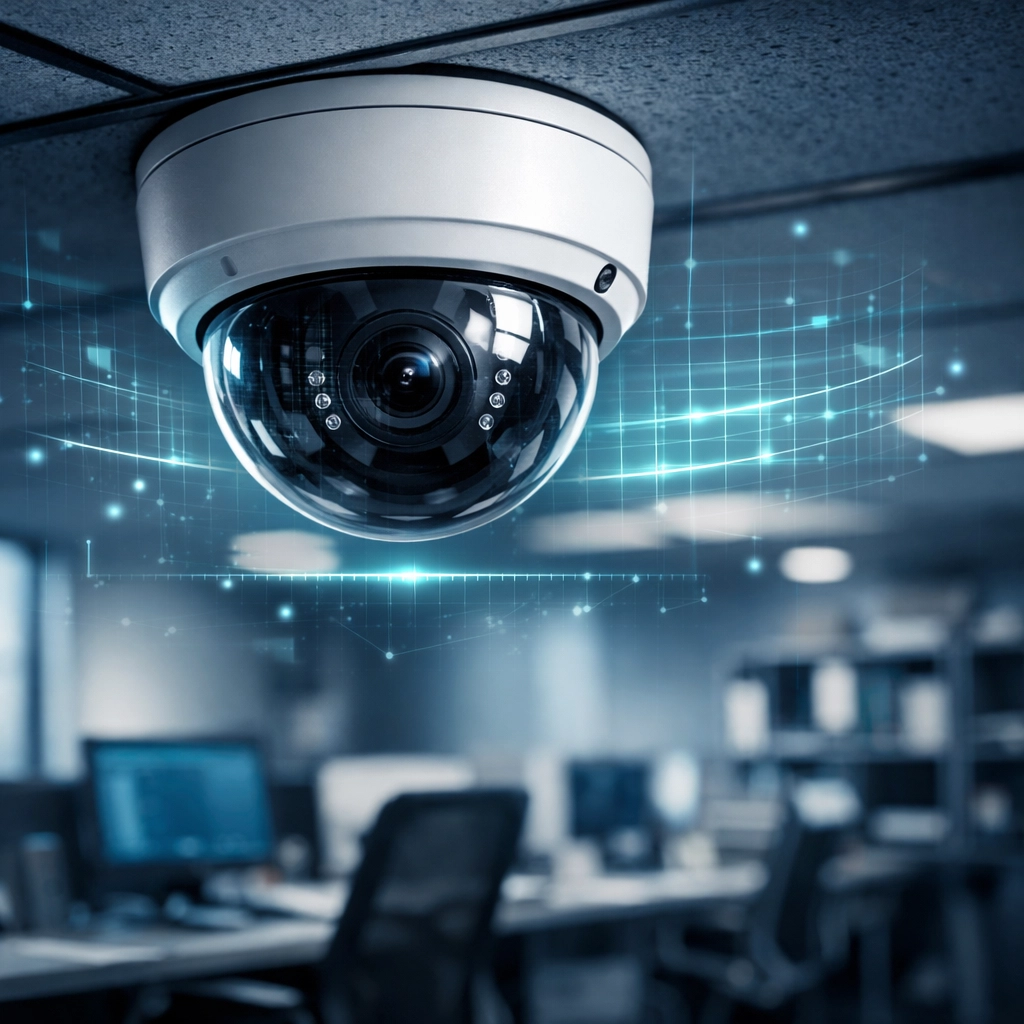
Strike a balance between your digital and physical defenses. Small businesses often forget that a stolen laptop or an unauthorized person entering an office can be just as damaging as a remote hack. In Genesee County, where community safety is a priority, physical breaches are a real threat to your tax data.
The Fix: Integrate your physical and digital security. We recommend the 911 Camera Share initiative, which allows local law enforcement to access your external feeds during emergencies. Use advanced surveillance to monitor who has access to the hardware where your tax records are stored.
6. Outdated Software and Unpatched Systems
Keep your language focused on the "why" behind updates. Hackers love tax season because business owners are "too busy" to restart their computers for updates. Those updates often contain critical security patches for vulnerabilities that tax-themed malware exploits.
The Fix: Automate your patching. A robust IT infrastructure handles these updates in the background, ensuring your software is always a moving target for cybercriminals.
7. The W-2 Scam: A Small Business Nightmare
Use this section to highlight a specific, devastating threat. Cybercriminals impersonate executives to request a master list of all employee W-2s. Once they have this, they can file dozens of fraudulent tax returns in your employees' names.
The Fix: Create a policy that W-2 data is never, under any circumstances, sent via email. Establish clear protocols for how payroll data is handled and who has the authority to request it. This is a critical part of comprehensive cybersecurity.
8. Misconfigured Cloud Storage
Cloud storage offers incredible flexibility, but during the tax rush, folders are often shared with "anyone with the link" to save time. This makes your most sensitive financial data searchable on the open web if the link is leaked.
The Fix: Perform a cloud audit. Ensure that the principle of "least privilege" is applied: only the people who absolutely need the tax files should have access, and that access should be revoked the moment the task is complete.

9. Lack of Real-Time Monitoring (The Intelligent Sentry Approach)
As you advance your security posture, realize that static defenses aren't enough. You need to know the moment an unusual login occurs or a strange file is downloaded. Most small businesses don't realize they've been breached until months later.
The Fix: Leverage AI-driven security and behavioral detection. ClearPath360’s "Intelligent Sentry" theme focuses on proactive monitoring that spots anomalies in real-time. Whether it's a digital intrusion or a physical threat at a school or church, AI-powered surveillance and IT monitoring provide the 24/7 oversight you need.
10. Employee Fatigue and Human Error
The final reason for failure is the most human: exhaustion. By the time April 15th approaches, your staff is tired. Tired people make mistakes. They click on fake "IRS Refund" links and ignore security warnings.
The Fix: Foster a culture of security, not just a list of rules. Provide short, engaging training sessions that explain the value of data protection. When employees understand the "why," they are more likely to remain vigilant, even when they’re stressed.
Moving Toward a Secure Future
Use this concluding section to create momentum. Tax season is a stress test for your business's resilience. If you found yourself worried about any of the ten points above, it’s time to rethink your partnership with technology.
At ClearPath360, we don't just fix computers; we secure your path to growth. From managing your IT infrastructure to implementing Axis Communications surveillance systems for local schools and churches, we provide a holistic shield for our Genesee County neighbors.

Maintain a focus on proactive steps. Don't let your business become a statistic in this year's tax fraud reports. Take the time today to audit your MFA settings, train your team on W-2 scams, and consider if your current IT provider is doing enough to keep you safe. If you're ready for a partner who takes a 360-degree view of your security, choosing the right IT partner is the first step toward a worry-free tax season.
Structure your final thoughts around the idea that security is an investment in your company's reputation. A breach during tax season doesn't just cost money; it costs the trust of your employees and clients. Fix these ten failures now, and you can focus on what really matters: growing your business.