You've invested thousands in security cameras, alarm systems, and access control for your Michigan business. But here's the sobering truth: when an emergency happens, those cameras become passive observers instead of active lifesavers. Your security infrastructure sits there recording while first responders arrive blind, relying on frantic phone descriptions and incomplete information.
What if your existing security investment could actively bridge the communication gap between your business and 911 dispatchers? That's exactly what's happening across Michigan right now through 911 Camera Share technology integrated with ClearPath IT: and it's changing how businesses think about security, employee safety, and emergency response.
The Critical Gap Between Your Security System and First Responders
Begin by understanding the fundamental disconnect that exists in most businesses today. You have cameras covering every angle of your facility. Your alarm system triggers when something's wrong. Your access control tracks who enters and exits. Yet when someone dials 911 from your location, dispatchers are essentially flying blind.
Think about what actually happens during an emergency call. A stressed employee tries to describe what's happening while simultaneously dealing with the crisis. Details get lost. Counts are inaccurate. The dispatcher types notes and relays secondhand information to responding officers, firefighters, or EMS personnel. Everyone arrives on scene without knowing what they're walking into.
This gap isn't just inefficient: it can be dangerous. First responders spend precious seconds or minutes assessing situations that your cameras are already capturing in real-time. Officers don't know if they're dealing with one suspect or five. EMS can't see how many victims need attention. Firefighters can't identify the source of smoke before entering.
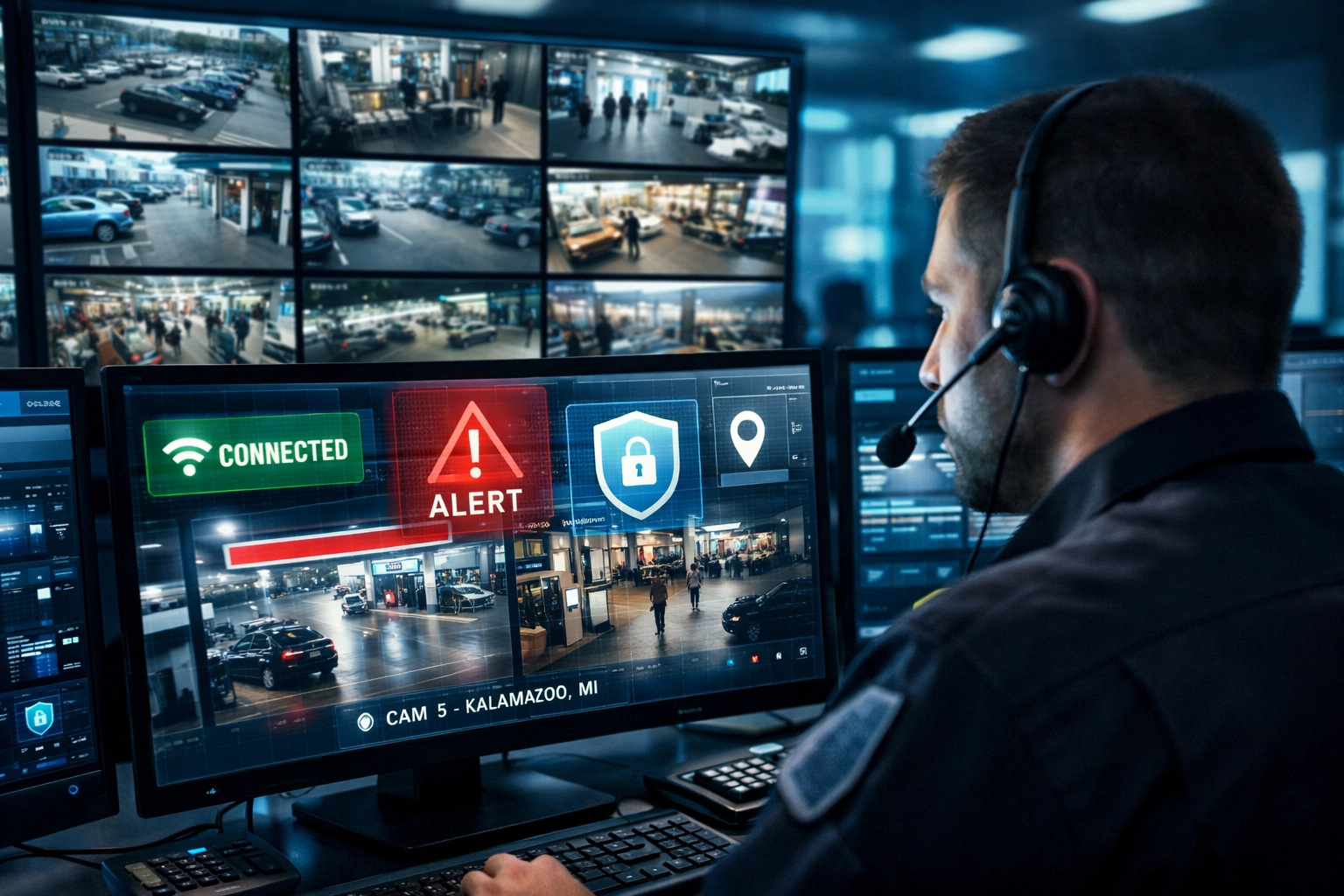
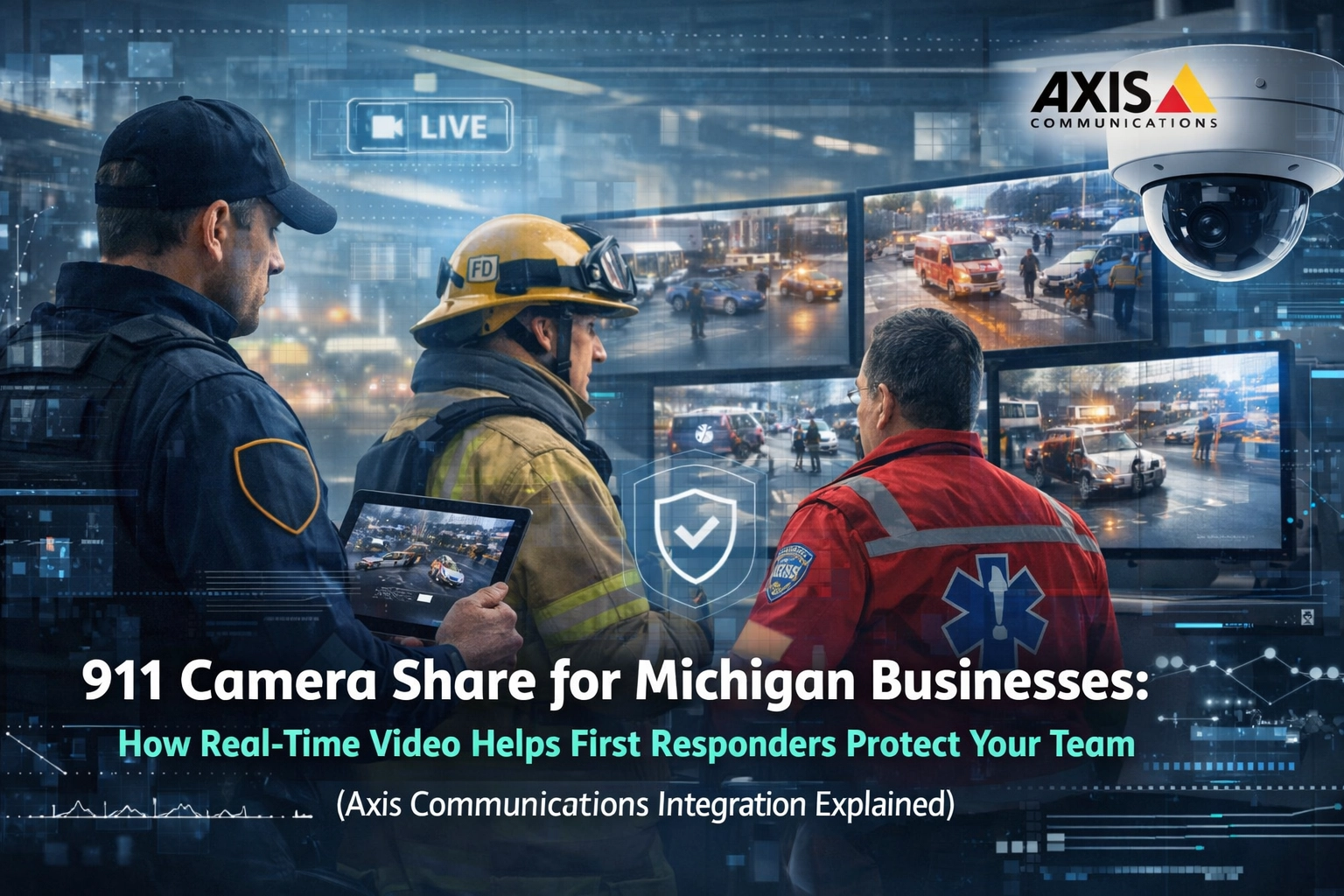
Here's where 911 Camera Share through ClearPath IT fundamentally changes the equation: Your existing Axis Communications cameras become emergency response assets. When a 911 call originates from your location, dispatchers gain temporary, secure access to pre-selected camera feeds. They can verify the emergency is actively occurring, count individuals involved, identify specific hazards, and relay critical intelligence to responding teams: all within seconds of the call.
As Kecia Williams, 911 Director for Livingston County, explained about this technology: "With Camera Sharing, we can instantly see for ourselves what's going on, and we can get this information to the fire department, EMS or law enforcement much quicker."
Why Your Legacy Security System Is Only Half-Ready
Use this section to honestly evaluate where your current security infrastructure falls short. Most Michigan businesses have invested in cameras, but those systems were designed with one purpose: recording incidents for later review. They capture evidence after the fact. They help with insurance claims and investigations. But they're not built to actively participate in emergency response.
Consider these common limitations that make legacy systems half-ready:
Recording-Only Mentality: Your cameras record to a local DVR or outdated NVR system. Footage is trapped on-site, accessible only through a clunky interface that requires physical presence or complicated remote access that 911 centers can't quickly navigate.
No Integration with Managed IT Infrastructure: Your security exists in a silo, disconnected from your network audio, access control, and help desk systems. When emergencies happen, these systems don't communicate with each other or with first responders.
Zero Real-Time Sharing Capability: Even if your cameras are IP-based, they lack the secure, temporary sharing protocols that allow authorized 911 centers to access feeds during emergencies without creating privacy concerns or security vulnerabilities.
Missing AI-Powered Intelligence: Older systems can't help dispatchers quickly search footage for specific vehicles, people, or objects of interest. Law enforcement needs to physically review hours of footage manually when time is critical.

The reality is this: if your security system isn't integrated with your broader managed IT infrastructure and doesn't have secure sharing capabilities, it's operating at half its potential value. You're recording incidents, but you're not preventing escalation or actively supporting the people trying to help when seconds matter.
Real-Time Intel That Helps Dispatchers Make Better Decisions
Strike a balance between understanding the technology and grasping its practical impact. When your Axis cameras integrate with 911 Camera Share through ClearPath IT, dispatchers gain something they've never had before: eyes on the scene from the moment the emergency call connects.
Picture this scenario in your retail location, office building, or manufacturing facility. An employee calls 911 about a threatening individual. In traditional systems, the dispatcher hears: "There's someone here acting erratically… I think he might have something in his hand… there might be others outside…"
With 911 Camera Share, the same call plays out differently. The dispatcher sees your pre-selected camera feeds appear on their screen as the call connects. They can instantly verify: "I see one individual in the main lobby. I can confirm he's alone. I'm seeing what appears to be a phone in his hand, not a weapon. No additional suspects visible outside. Units responding with this information."
This real-time visual context transforms how dispatchers allocate resources and brief responding teams. They can:
- Verify whether emergencies are active or resolved before units arrive, preventing unnecessary escalation
- Count individuals accurately so the right number of personnel respond appropriately
- Identify specific hazards like fire sources, blocked exits, or dangerous materials that responders need to know about
- Track movement patterns to help arriving officers understand where suspects or victims are located
- Document the situation from the moment of the call for later investigation and liability purposes
Keep your language focused on what this means for your business operations, too. False alarms waste emergency resources and delay responses to genuine threats. When dispatchers can visually confirm situations, they eliminate false alarm responses that cost your business credibility with local departments and potentially trigger false alarm fees.
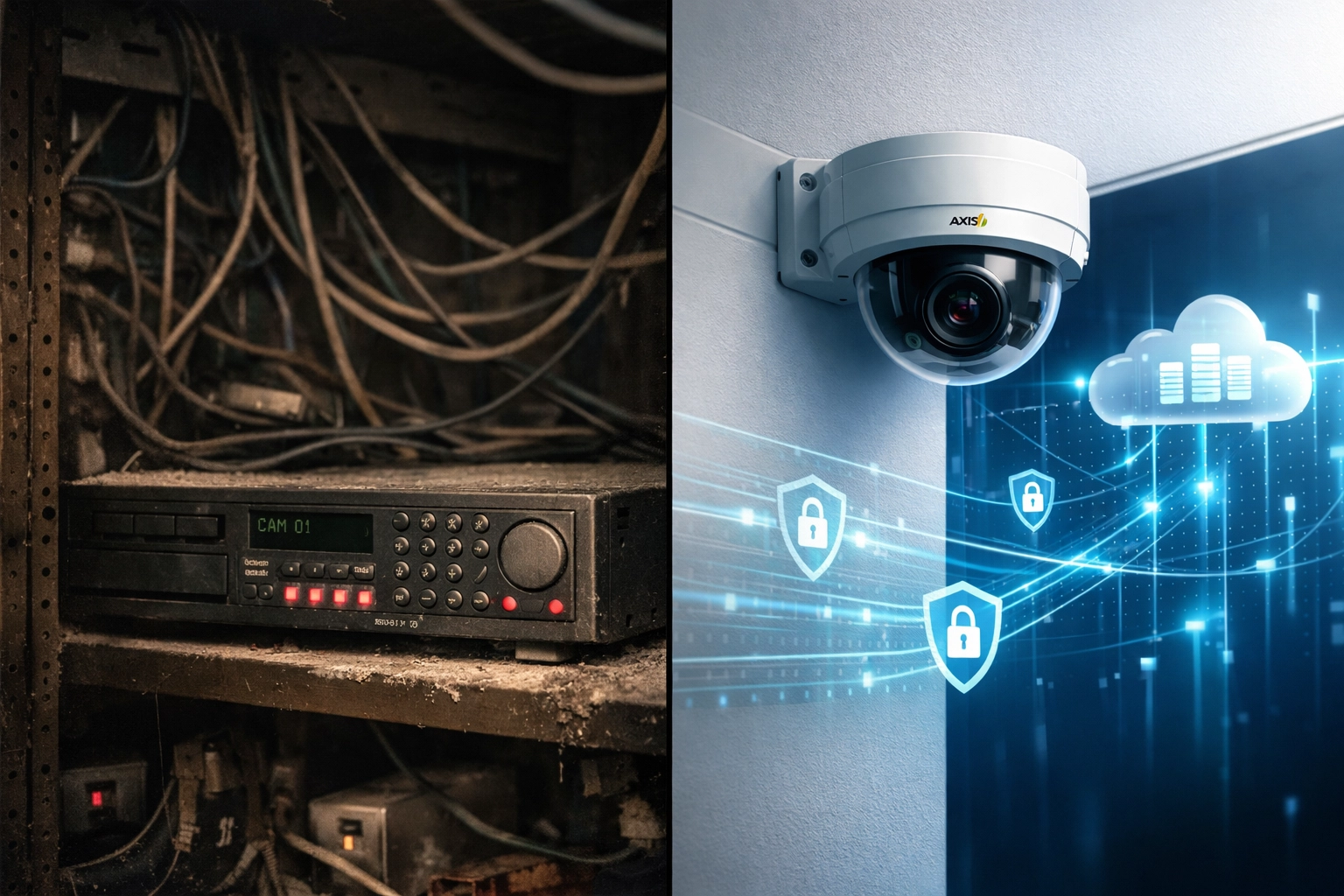
The AI-powered Smart Video Search capability adds another layer of value. After an incident, law enforcement can quickly search your footage for specific vehicles, clothing colors, or individuals: helping identify shoplifting suspects or determine when unauthorized individuals entered your facility. This intelligence helps close cases faster while demonstrating your business actively supports public safety.
How This Technology Directly Protects Your Employees
This is where the human element becomes undeniable. Your employees are your most valuable asset, and their safety during emergencies should be your top priority. 911 Camera Share through ClearPath IT creates a safety net that didn't exist before.
When employees know that pressing the panic button or calling 911 immediately gives dispatchers visual context, they feel more secure. They understand that help isn't just coming: it's coming informed. First responders aren't walking in blind; they're arriving with a tactical understanding of the situation.
For businesses with vulnerable employees: retail workers dealing with shoplifters, healthcare facilities managing agitated patients, schools protecting students and staff: this technology fundamentally changes the response equation. Dispatchers can assess threat levels accurately and ensure the appropriate level of response arrives quickly.

Consider workplace violence scenarios, which unfortunately remain a reality for Michigan businesses. When an employee triggers an alert, dispatchers can immediately assess whether they're dealing with a verbal confrontation that needs de-escalation or an active violence situation requiring immediate tactical response. This distinction can help first responders approach situations with the right level of urgency and appropriate resources.
Your network audio systems can integrate with these capabilities, too. Some businesses use IP paging to broadcast emergency instructions while dispatchers monitor camera feeds: creating coordinated response scenarios that keep employees informed and safer during evolving situations.
Insurance and Liability: Protecting Your Business Beyond the Emergency
As you move toward the financial and legal considerations, understand how 911 Camera Share creates documented evidence of reasonable safety measures. This isn't just about responding to emergencies: it's about demonstrating your business takes security and employee safety seriously.
From an insurance perspective, businesses using integrated security systems that actively collaborate with public safety may see reduced premium costs. You're transforming your security investment from a passive recording device into an active risk mitigation tool. Insurers recognize that businesses with better emergency response capabilities face lower liability exposure.
When incidents do occur, having 911 dispatchers with real-time visual access creates a documented timeline from the moment of the emergency call. This documentation protects your business by:
- Establishing clear timelines of when emergencies began, how they evolved, and when first responders arrived
- Demonstrating reasonable care in providing security measures and collaborating with public safety
- Creating objective visual records that support or refute claims about what happened during incidents
- Showing proactive safety measures that courts and insurers recognize as reasonable business practices
The liability protection extends to situations where employees, customers, or visitors claim your business didn't respond appropriately to emergencies. Visual documentation shared with 911 dispatchers in real-time demonstrates you provided immediate, professional response capabilities: not reactive, after-the-fact review.
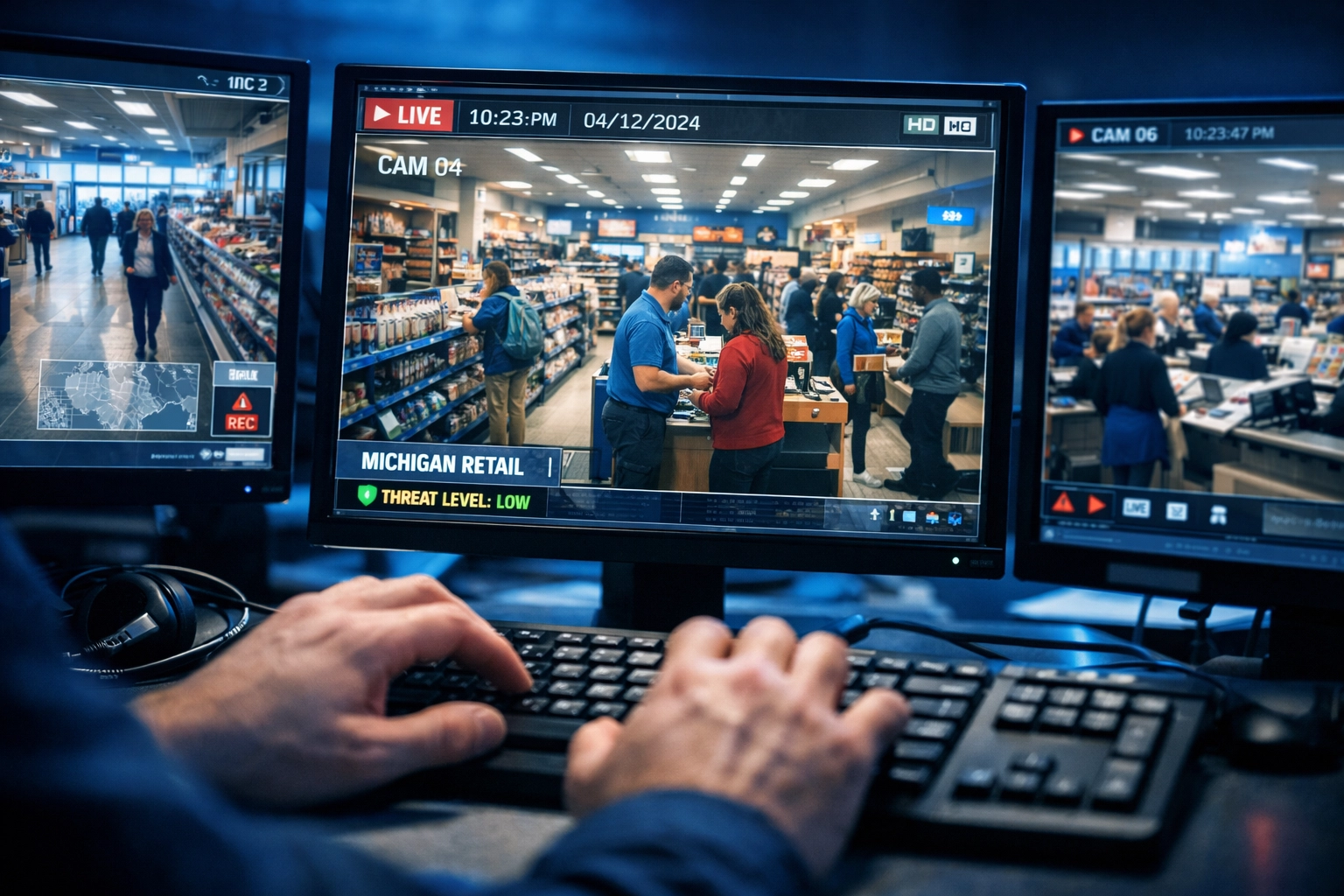
Access is secure and temporary: an important distinction for privacy and compliance considerations. Cameras are only visible to authorized dispatchers during active emergencies. Access terminates automatically once incidents conclude. This means you're not creating 24/7 surveillance access; you're creating emergency-only sharing that respects privacy while prioritizing safety.
The Technical Integration: How Axis Communications Makes This Possible
Keep your language focused on the practical aspects of implementation rather than getting lost in technical jargon. The integration of Axis Communications cameras with 911 Camera Share through ClearPath IT's managed IT infrastructure creates a seamless system that works without disrupting your operations.
Here's what makes this integration special: you're likely already using cameras that are compatible. Axis Communications represents the gold standard in IP-based security cameras, and many Michigan businesses already have these systems installed. ClearPath IT's approach transforms your existing investment into emergency response infrastructure without requiring wholesale replacement.
The technical components work together like this:
Your Axis cameras continue their normal recording functions: nothing about their day-to-day operation changes. They still capture high-quality footage to your network video management system. They still integrate with your access control and alarm systems.
The 911 Camera Share platform creates a secure bridge between your camera system and authorized 911 centers across Michigan. This platform uses encrypted connections that meet strict security standards, ensuring your business data remains protected while allowing emergency-only access.
Your managed IT infrastructure through ClearPath IT ensures everything stays online, secure, and properly maintained. This isn't a set-it-and-forget-it installation: it requires proper network configuration, ongoing monitoring, and help desk support to ensure cameras remain accessible when emergencies happen.

Your alarm systems and access control can integrate into this ecosystem, creating comprehensive security that responds intelligently. When motion triggers your alarm system, your cameras are already positioned to give dispatchers the context they need if someone calls 911.
The small business IT approach matters here. Large enterprises might have dedicated security teams managing these integrations. Small and mid-sized Michigan businesses need managed IT partners like ClearPath IT who understand both the technology and the practical realities of running efficient operations without massive IT departments.
Making the Decision: Is 911 Camera Share Right for Your Michigan Business?
This is your chance to evaluate whether this technology makes sense for your specific situation. Not every business needs this level of integration, but many Michigan businesses are discovering the value far exceeds the investment.
Consider 911 Camera Share through ClearPath IT if you:
- Already have Axis Communications cameras installed or are planning security upgrades
- Employ vulnerable workers in retail, healthcare, education, or public-facing roles
- Want to transform your security investment into active emergency response capabilities
- Need to demonstrate reasonable safety measures for insurance and liability purposes
- Operate in locations where emergency response times matter and visual context can help dispatchers
- Value integration between your managed IT, help desk, alarm systems, and physical security infrastructure
The implementation process typically involves assessing your current camera systems, ensuring proper network configuration, selecting which cameras make sense for 911 sharing, coordinating with local dispatch centers, and integrating everything with your broader managed IT infrastructure.
ClearPath IT handles the technical complexity while you focus on your business operations. This is managed IT at its best: taking sophisticated security technology and making it practical, reliable, and valuable for small business IT environments.
Ready to transform your security cameras into active emergency response assets? ClearPath IT specializes in integrating Axis Communications cameras with 911 Camera Share technology for Michigan businesses. Our managed IT approach ensures your security infrastructure works seamlessly with your alarm systems, access control, network audio, and help desk support. Contact us to discuss how 911 Camera Share can help protect your employees and support first responders when every second counts.