Picture this: A 911 call comes in reporting a break-in at your business. The dispatcher has a location, but that's about it. Officers roll up not knowing if suspects are still on-site, where they might be hiding, or if weapons are involved. They're arriving reactive, operating on limited information, making split-second decisions based on incomplete intelligence.
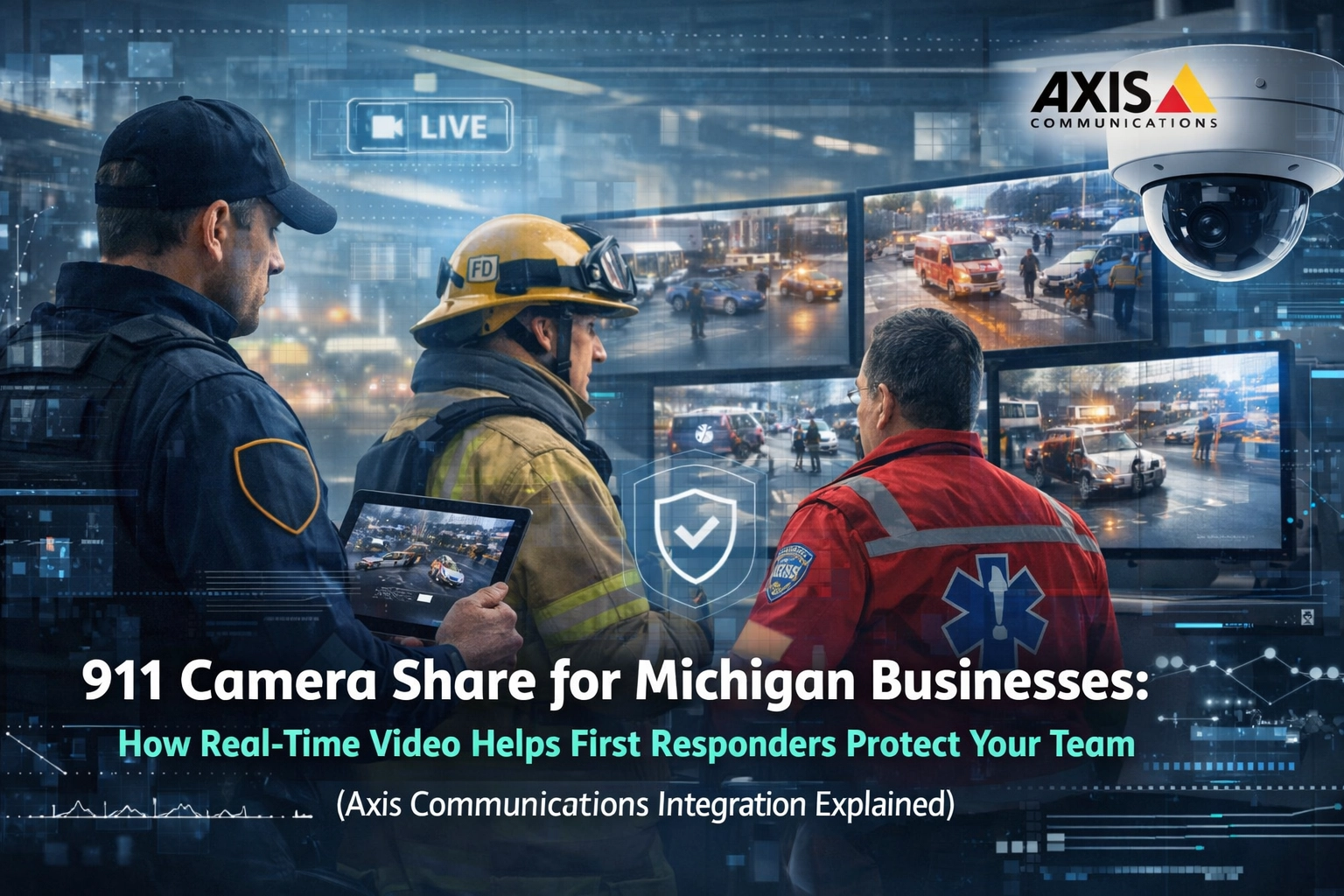
Now imagine the same scenario, but this time, dispatchers can pull up live camera feeds from your property the moment the call comes in. Officers see exactly what's happening before they ever leave the station. They know suspect locations, entry points, and whether the threat is still active. They're arriving informed, not reactive.
That's the power of real-time visual intelligence: and it's exactly what programs like 911 Camera Share are designed to deliver.
The Traditional Response Model: Operating in the Dark
Begin by understanding the fundamental challenge every first responder faces: uncertainty. In traditional emergency response, officers and fire teams arrive on scene with only audio descriptions from panicked callers or secondhand reports from dispatch. They're piecing together the situation as they arrive, which means critical decisions about positioning, tactical approach, and resource allocation happen under pressure with incomplete information.
This reactive model has dominated emergency response for decades, and it carries inherent risks. Officers can't plan safer entry routes when they don't know building layouts. Fire teams can't identify the fastest access points to victims without visual confirmation. Tactical units can't coordinate positioning without knowing suspect movements.
Intelligence that arrives after responders are already en route forces improvisation at the worst possible moment: when seconds matter and lives are on the line.
How Visual Intelligence Transforms Emergency Preparation
Use this understanding to appreciate what changes when visual intelligence arrives before first responders do. Instead of reacting to what they discover on arrival, officers and emergency personnel gain the ability to anticipate, plan, and coordinate with precision.
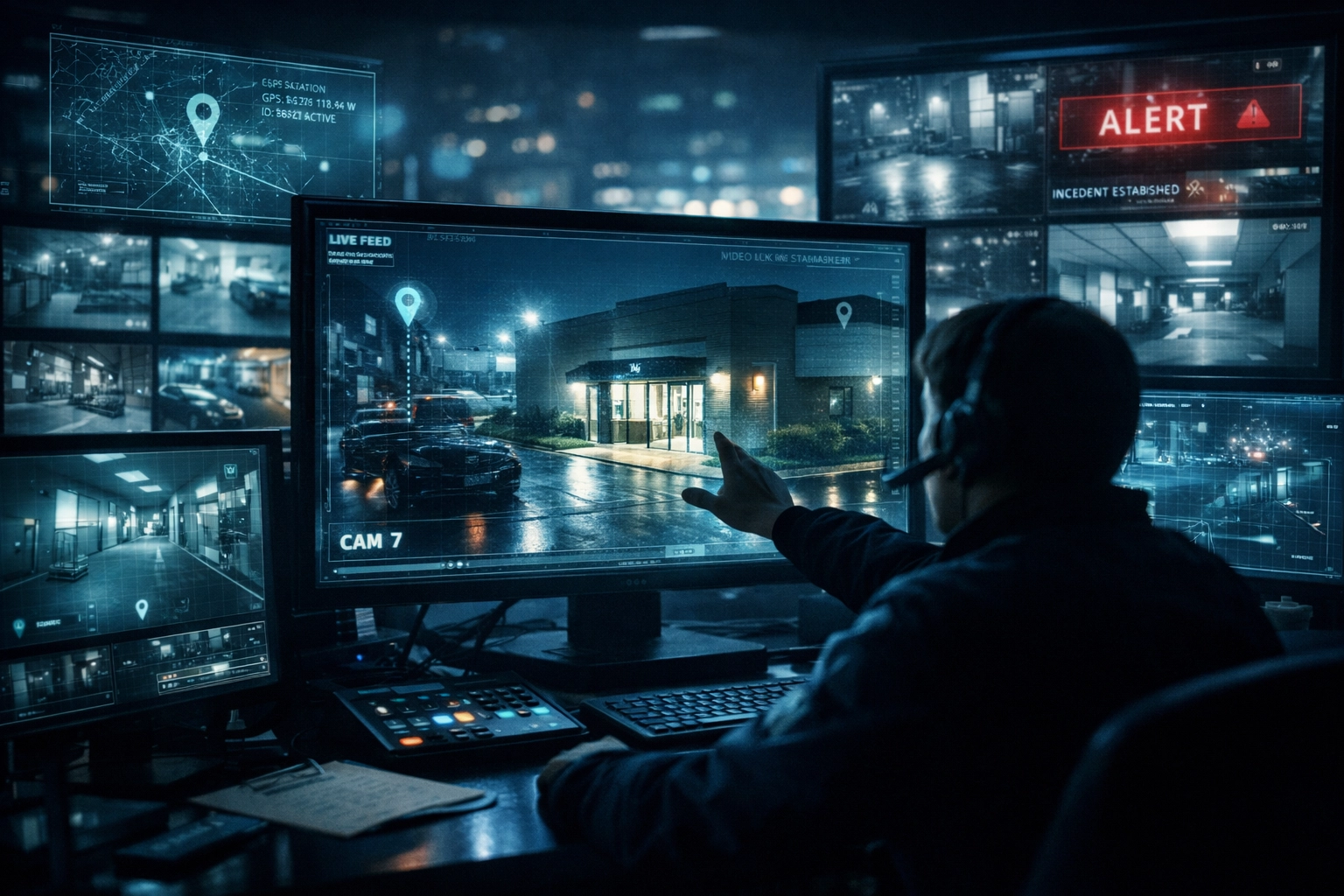
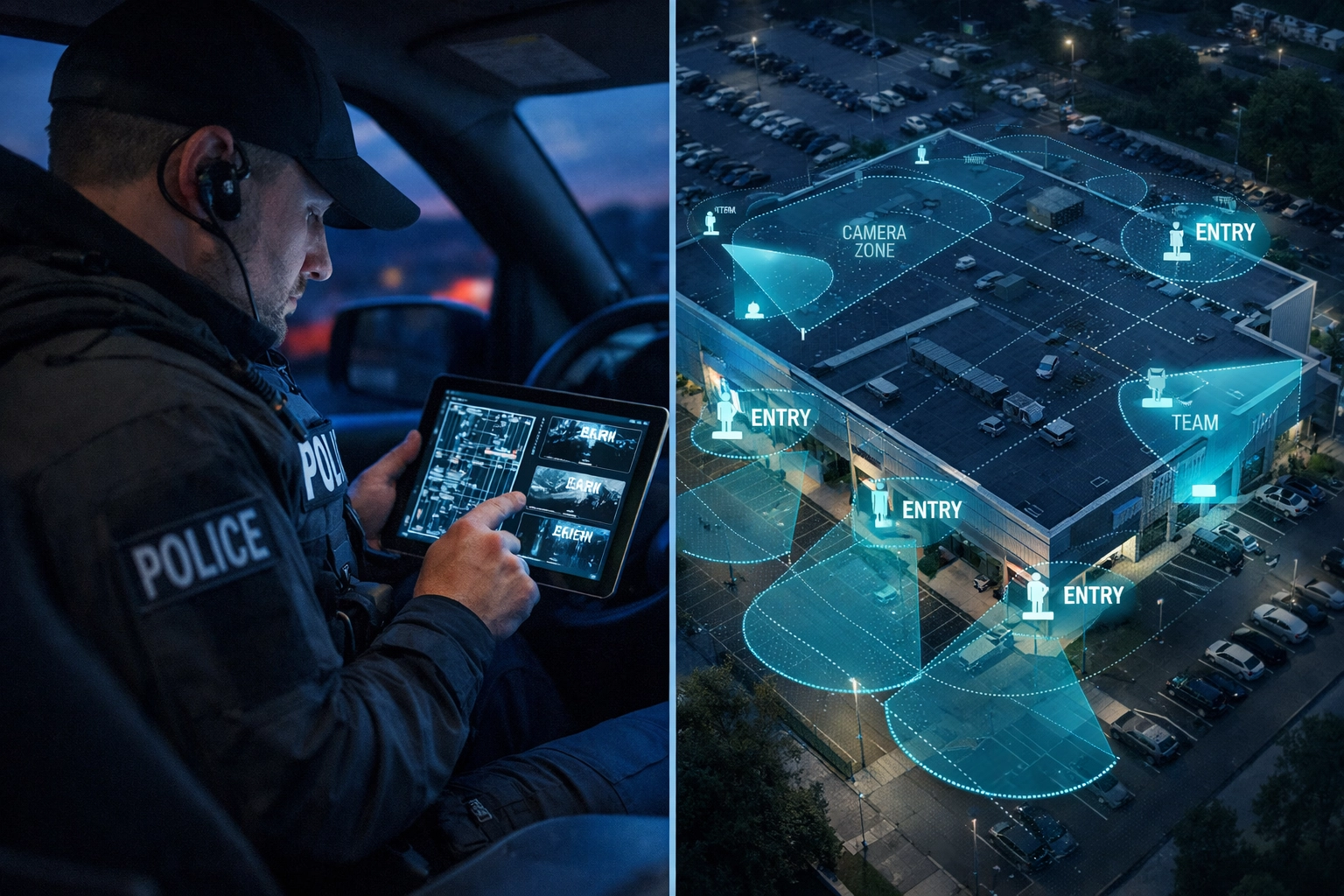
Early preparation replaces reactive improvisation. When dispatchers can access live camera feeds through programs like 911 Camera Share, they're providing responding units with actionable intelligence while they're still en route. Officers see the scene before they arrive. They identify safer approach angles. They coordinate positioning with other units based on real-time visual data, not assumptions.
This shift from reactive to proactive fundamentally changes how emergencies unfold.
Enhanced situational awareness becomes the standard. Visual intelligence provides context that voice reports simply cannot deliver. A caller might say "someone's breaking in through the back," but camera feeds show exactly where that entry point is, whether the suspect is armed, and if they're still on premises. That level of detail allows responders to move beyond assumptions and make informed tactical decisions.
The result? Responders who enter scenes with clear intelligence face significantly reduced risk: for themselves and the communities they serve.
Real-World Applications: Visual Intelligence in Action
Strike a balance between understanding the concept and seeing how it applies in practical scenarios. Visual intelligence isn't theoretical: it's actively reshaping emergency response across multiple domains.
Automated verification systems integrated with 911 dispatch ensure responding units receive accurate, time-sensitive information the moment they're dispatched. Instead of arriving cold to an address, officers have pre-filled location profiles, gate codes, building layouts, and: most critically: live camera access showing what's actually happening. False alarms get filtered out. Real emergencies get confirmed instantly.
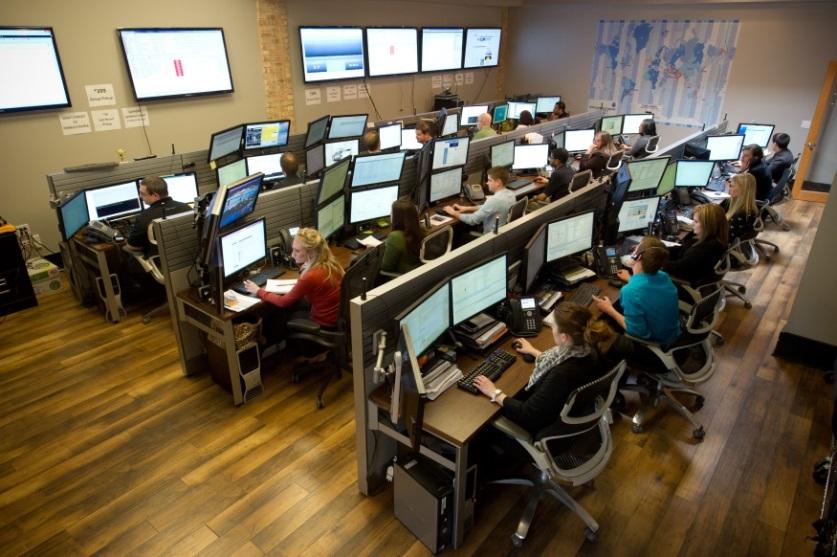
Emergency Operations Centers leverage real-time video wall solutions that aggregate multiple intelligence sources into one unified operational view. Traffic cameras, surveillance feeds from participating businesses, body-worn camera footage from officers on scene: all displayed simultaneously, giving decision-makers the comprehensive situational awareness needed to coordinate large-scale emergency responses.
Visual intelligence for fire and EMS extends beyond security scenarios. Fire teams responding to structure fires can access exterior camera angles to identify the safest entry points, spot victims in windows, and assess structural integrity before entry. EMS units responding to medical emergencies at commercial properties gain visual confirmation of patient location and access routes, reducing response times when every second counts.
This is where programs like 911 Camera Share make the difference. By allowing businesses to voluntarily share camera access with local dispatch during active emergencies, you're not just protecting your property: you're becoming a critical intelligence asset for your entire community.
The 360-Degree Approach: Integration Matters
Keep your focus on how visual intelligence fits within a comprehensive security and emergency response strategy. Real-time camera access isn't a standalone solution: it's most effective when seamlessly integrated into broader systems.
Seamless integration with existing infrastructure ensures that your surveillance system serves multiple purposes simultaneously. Your Axis cameras protect your property during normal operations through motion detection and analytics. They provide forensic evidence after incidents. And through 911 Camera Share integration, they become real-time intelligence tools during active emergencies: all without requiring separate systems or additional complexity.
Proactive protection layered with reactive response creates the complete security picture. Prevention remains the priority: cameras deter criminal activity, access control systems limit unauthorized entry, and network audio provides automated voice deterrents. But when prevention fails and emergencies occur, those same systems instantly transform into response tools for first responders.
This is the ClearPath360 philosophy: comprehensive, integrated solutions that work together across every scenario your business might face.
"Visual intelligence doesn't just help first responders react faster: it helps them arrive prepared, coordinate smarter, and operate safer. That protection extends to everyone involved."
Business Benefits Beyond Emergency Response
As you consider implementing visual intelligence solutions, recognize the multifaceted value they provide. The same camera infrastructure supporting 911 Camera Share delivers ongoing operational benefits:
Reduced liability exposure when incidents occur with comprehensive visual documentation. Insurance claims get resolved faster with clear video evidence. Legal disputes become straightforward when footage shows exactly what happened.
Improved operational efficiency through remote monitoring capabilities. Check on deliveries, monitor workflow, and verify facility security from anywhere with internet access.
Enhanced employee and customer safety through visible surveillance that deters both external threats and internal policy violations.
Community partnership that strengthens relationships with local law enforcement. When your business actively supports first responder capabilities, you're building goodwill and demonstrating civic responsibility.
The investment in quality camera infrastructure: particularly systems built on reliable platforms like Axis Communications: pays dividends across multiple dimensions of business operations and community safety.

Privacy, Control, and Trust
Share your understanding that visual intelligence programs must balance capability with privacy protection. This is where proper implementation makes all the difference.
911 Camera Share operates on an opt-in, emergency-only model. Your cameras aren't under 24/7 government surveillance. Dispatch only accesses feeds when you've called 911 from your location or authorized sharing during an active emergency. You maintain control. You determine participation. The system respects both security needs and privacy rights.
Secure transmission protocols ensure camera feeds shared with dispatch cannot be intercepted or accessed by unauthorized parties. Encryption standards protect the visual intelligence pipeline from your cameras to the emergency response center.
Documented access logs provide complete transparency about when feeds were accessed, by whom, and for which incidents. Accountability is built into the system architecture.
This balance between capability and control is essential. Visual intelligence tools must earn trust through responsible implementation: and programs like 911 Camera Share are specifically designed with those principles embedded.
Taking Action: Implementing Visual Intelligence
Begin your journey toward becoming a visual intelligence asset for your community by assessing your current surveillance infrastructure. Quality matters significantly here. Not all camera systems provide the resolution, reliability, and integration capabilities needed for emergency response applications.
Partner with experienced integrators who understand both the technical requirements and the operational realities of emergency response systems. At ClearPath360, we specialize in Axis Communications solutions specifically because they deliver the performance, reliability, and integration capabilities that first responders need when seconds count.
Plan for seamless integration that connects your physical security infrastructure with IT systems, access control, and emergency protocols. Visual intelligence works best as part of a coordinated security ecosystem, not as an isolated component.
Engage with local public safety officials to understand 911 Camera Share programs in your area and how your business can participate. Many communities are actively expanding these initiatives and seeking business partners who recognize the mutual benefits.
The investment in professional-grade visual intelligence infrastructure protects your business today while positioning you as a community safety partner for years to come. That's the 360-degree approach in action: solutions that serve multiple purposes across every scenario your organization might face.
Ready to transform your security cameras into community safety assets? Contact ClearPath360 to discuss how Axis Communications solutions and 911 Camera Share integration can deliver comprehensive protection for your business while supporting first responder capabilities in your community. Visit clearpath360.org or schedule a consultation to explore your options.