You've Got Cameras. But Do Your First Responders?
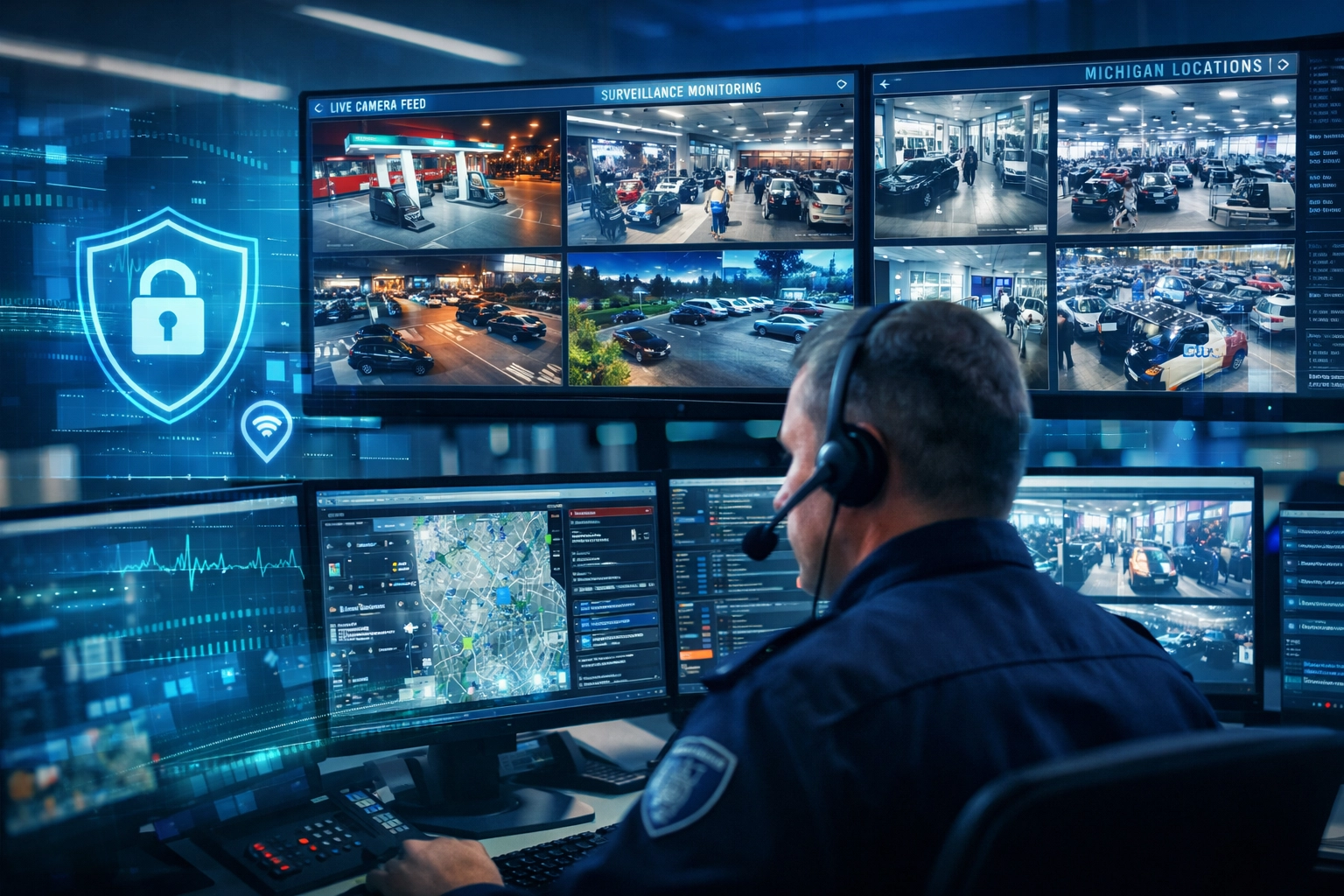
Begin by asking yourself a critical question: When someone at your Michigan business dials 911, what do dispatchers actually see? The answer, for most businesses, is nothing. They're relying entirely on a panicked voice describing a chaotic scene: no visual context, no real-time confirmation, no directional intel.
That's the gap 911 Camera Share through ClearPath IT is designed to bridge.
This isn't about adding more cameras or upgrading your alarm system (though we'll talk about why those matter). This is about connecting what you already have: or what you should have: directly to the people who can help dispatchers coordinate faster, smarter emergency responses across Michigan. It's the missing link between your Axis Communications security infrastructure and the 911 professionals racing to your location.
Let's break down exactly how this works, why your current setup might be only half-ready, and what Michigan business owners need to know about employee safety, liability protection, and technical integration in 2026.
Why Legacy Systems Leave First Responders Flying Blind
Use this section to understand the hard truth: if you're still running analog cameras or outdated DVR systems, you're locked out of 911 Camera Share.
Legacy analog systems can't transmit live feeds over secure network connections because they were built for a different era: closed-circuit recording, not real-time emergency sharing. Even if your cameras capture crystal-clear footage, that recording is useless to dispatchers during an active event. They need live intel now, not playback footage retrieved hours later during an investigation.
Share this reality with your team: dispatchers operating without visual confirmation must rely on fragmented information from distressed callers who may not know how many individuals are involved, where suspects fled, or whether a medical emergency requires CPR guidance. That's a dangerous position for first responders: and for your employees caught in the middle.
"Dispatchers can now give law enforcement direct, quality information and immediate feedback about what happened, and what direction the suspect is headed in." : City of Fenton Police Department
Strike a balance between operational security and emergency preparedness. Your Managed IT infrastructure needs to support IP-based cameras with network connectivity, current firmware, and strong cybersecurity protocols. That's where Axis Communications systems integrated through ClearPath360 become essential: they're purpose-built for secure, real-time access control and alarm system coordination.
Keep your focus on this principle: commercial-grade surveillance isn't optional for 911 Camera Share. It's the technical foundation that makes emergency response partnerships possible.
Real-Time Intel: What Dispatchers Actually Gain
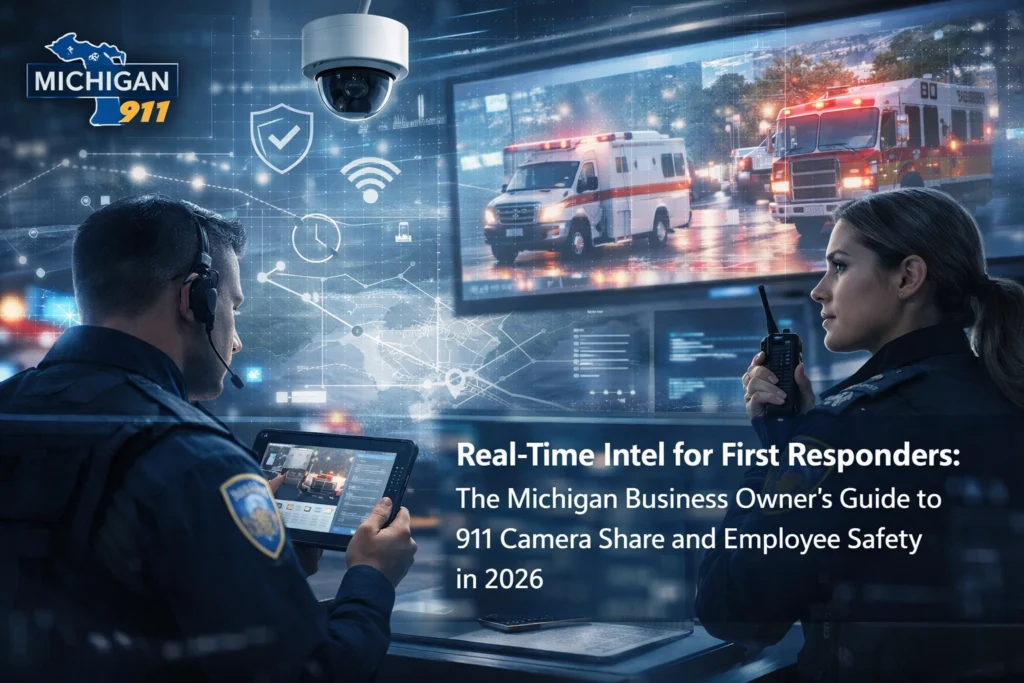
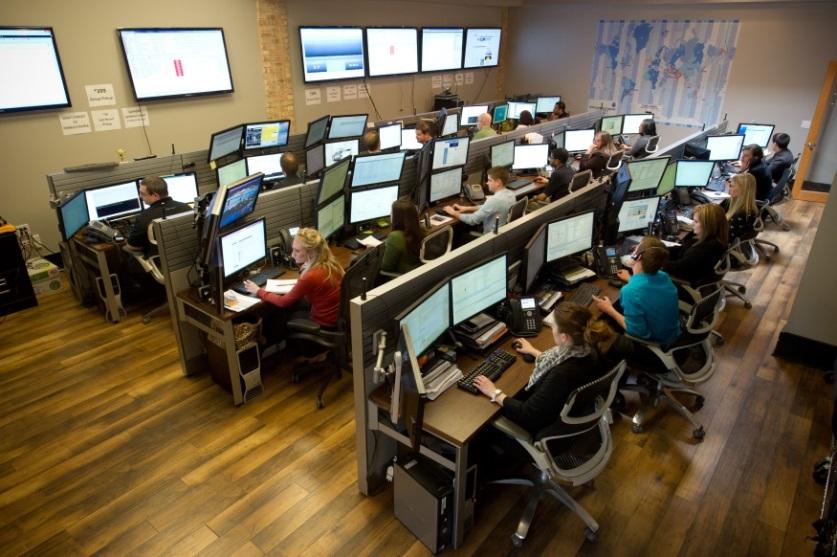
As you move toward implementing 911 Camera Share, recognize what changes operationally when dispatchers gain temporary, secure access to your camera feeds during active emergencies.
Begin with verification. Dispatchers can instantly confirm an emergency is actively occurring: not a false alarm, not a misunderstanding: and relay that confirmation to responding units within seconds. This helps first responders adjust their approach based on validated, real-time intelligence rather than assumptions.
Use this space to understand the scope of situational awareness:
Dispatchers can:
- Count individuals involved in an incident
- Identify specific hazards (weapons, fire, obstructions)
- Track suspect movements and provide directional guidance
- Offer real-time CPR or medical instructions while watching the scene
- Direct law enforcement to precise entry points or hiding locations
This is where 911 Camera Share transcends traditional alarm systems. Your network audio integration can detect breaking glass or raised voices, your access control logs show who entered when, and your Axis cameras provide visual confirmation: all feeding dispatchers the context they need.
The City of Fenton Police Department in Michigan already demonstrated this during their deployment with AI-powered capabilities. Dispatchers could give officers "direct, quality information" about what happened and where suspects headed, drastically improving safety for both first responders and the community.
Share the operational reality: this system operates within approximately 100 yards of the caller's location, creating a hyper-local safety network that helps dispatchers coordinate precise, informed responses.
Employee Safety: The Business Case You Can't Ignore
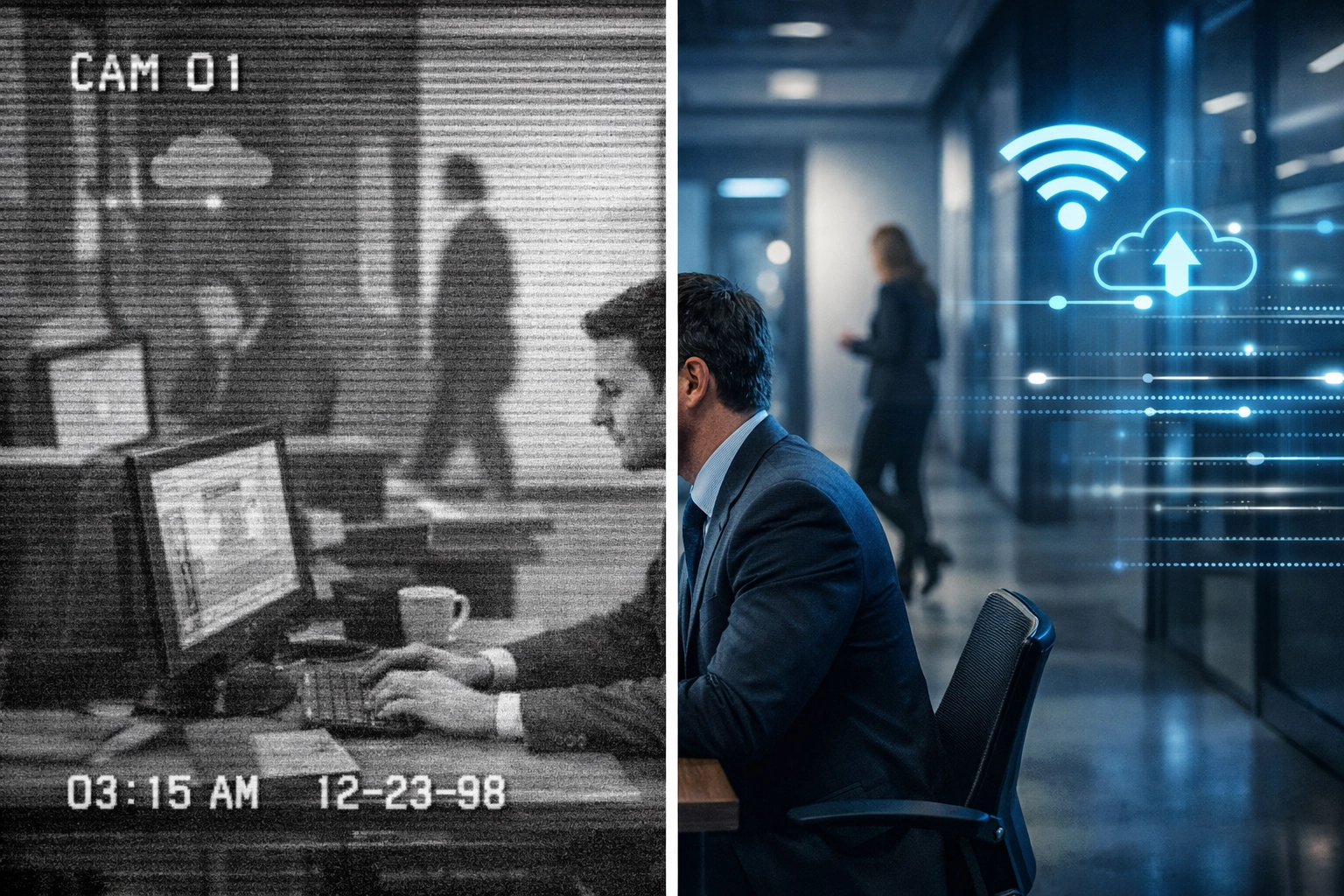
This is where the value of 911 Camera Share shifts from community benefit to direct employee protection. Keep your language focused on the people who show up to your business every day: the ones who deserve every possible advantage during an emergency.
Begin by acknowledging the scenario every Michigan business owner dreads: an active threat, a medical crisis, or a violent incident unfolding while employees wait for help. In those critical minutes, dispatchers equipped with live camera feeds can provide immediate guidance: directing employees to safe exits, warning them about approaching dangers, or coordinating lockdown procedures based on real-time visual intel.
Use this principle to guide your decision-making: employee safety is not a cost center; it's a competitive advantage. Businesses that demonstrate proactive emergency preparedness attract better talent, reduce turnover, and build reputations as responsible employers.
Your Help Desk and Managed IT infrastructure play a direct role here. When cameras stay online, firmware stays current, and network connectivity remains rock-solid, your 911 Camera Share integration functions flawlessly during the moments that matter most. That's not theoretical: that's operational resilience your employees can depend on.
Strike a balance between transparency and reassurance. Share with your team that access is strictly temporary and emergency-only. Dispatchers don't have 24/7 surveillance access: cameras are only visible to authorized 911 professionals during active incidents, and access terminates automatically once emergencies conclude.

Insurance, Liability, and the Documentation Advantage
As you evaluate 911 Camera Share, consider the liability and insurance implications that extend far beyond emergency response.
Begin with this reality: real-time visual documentation shared with 911 dispatchers creates an independent, timestamped record of your business's emergency response. That documentation demonstrates your company provided immediate, professional cooperation with law enforcement and emergency services: a powerful protection against liability claims alleging negligence or inadequate security measures.
Use this space to understand how insurance carriers view proactive security integration. Businesses that deploy commercial-grade Axis Communications systems with 911 Camera Share capabilities signal lower risk profiles. That can translate into premium reductions, better coverage terms, and streamlined claims processing when incidents do occur.
Keep your compliance language precise: 911 Camera Share can help dispatchers coordinate faster responses and helps first responders arrive with better situational awareness. Avoid absolute guarantees about response times: those depend on factors outside your control: but emphasize the documented commitment to emergency preparedness.
Share this with your legal and risk management teams: encrypted connections, strict security standards, and temporary access protocols mean 911 Camera Share creates minimal privacy concerns while maximizing safety and compliance. That's the balance Michigan businesses need in 2026.
The Technical Integration: Axis Communications + ClearPath IT
This is where theory becomes implementation. Begin by understanding that 911 Camera Share requires secure API connections configured through your Managed IT provider: specifically, providers like ClearPath360 who specialize in Axis Communications integration and Small business IT infrastructure.
Use this framework to evaluate your current setup:
Technical Requirements:
- IP-based cameras (Axis Communications recommended)
- Current firmware with strong cybersecurity measures
- Proper network configuration and ongoing monitoring
- Commercial-grade surveillance standards
- Help Desk support for maintenance and troubleshooting
Your alarm systems and access control integrate into this ecosystem for comprehensive security. When motion triggers your alarm system, cameras are already positioned to give dispatchers the context they need if 911 is called. That's the 360-degree protection approach ClearPath360 builds for Michigan businesses.
Keep your focus on automation. Once activated, the system runs automatically: when someone at your business dials 911, dispatchers receive an automatic notification that camera access is available. They can accept or decline based on incident needs, and access revokes automatically once incidents conclude.
Strike a balance between technical precision and operational simplicity. You don't need to become a network engineer: you need a managed IT partner who ensures your cameras remain online, secure, and properly integrated with Michigan's expanding 911 Camera Share network.
Michigan Statewide Expansion: Who's Already In
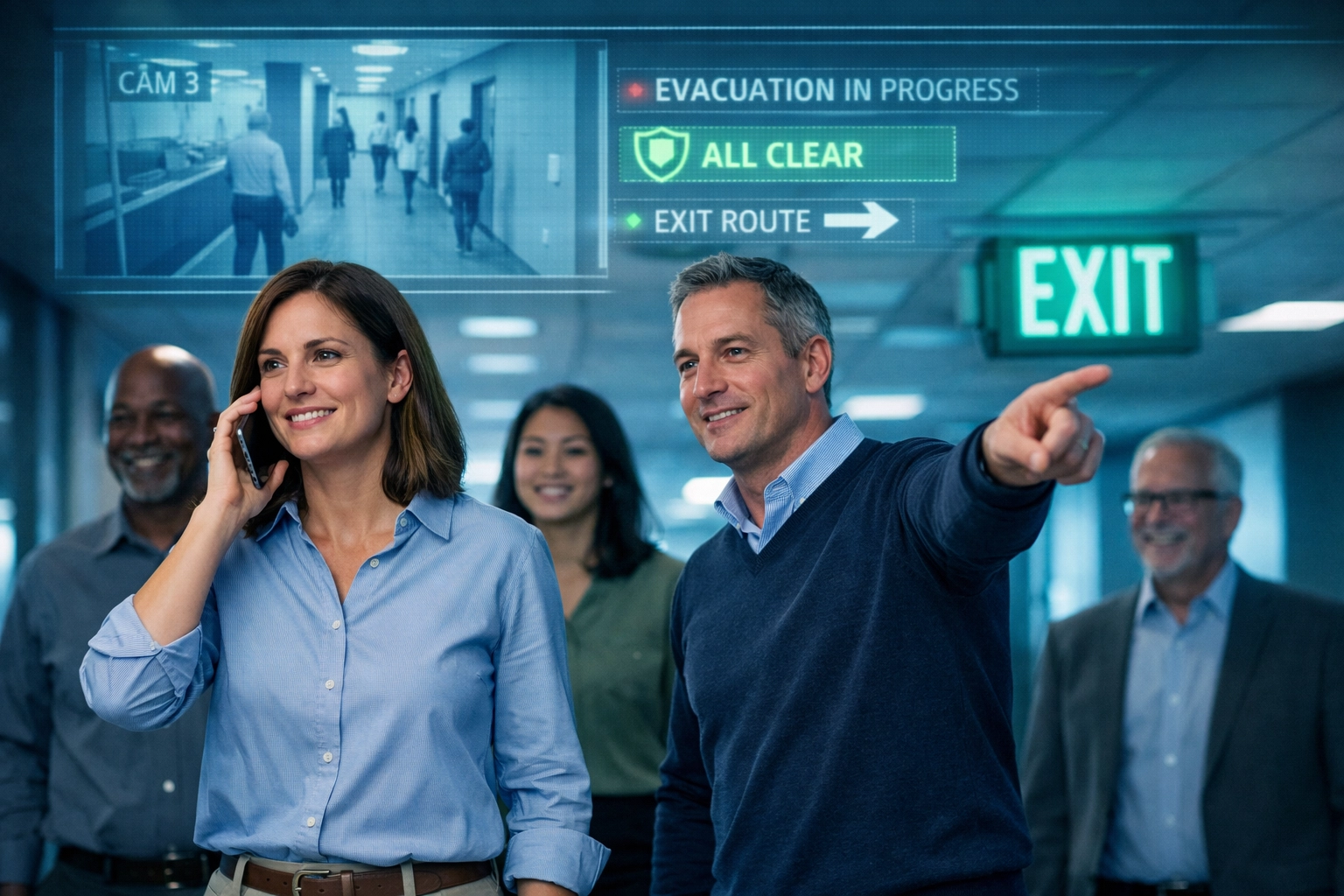
As you move toward implementation, recognize that Michigan is leading this initiative. Livingston County became the first in the state to implement Eagle Eye 911 Camera Sharing, beginning with a demo at the Livingston Educational Service Agency. Other counties are rapidly following.
Share this critical detail: retail businesses, commercial facilities, and schools must subscribe to the service. Emergency Communication Centers don't pay for the system: participating businesses invest in the integration because the safety, liability, and employee protection benefits justify the cost.
Use this space to position your business as a community safety leader. When you integrate 911 Camera Share through ClearPath IT, you're not just protecting your employees and assets: you're contributing to a statewide network that helps first responders operate more safely and effectively across Michigan.
Your Next Step: Assessment + Integration
Begin with a no-obligation assessment of your current security infrastructure. ClearPath360 evaluates whether your cameras meet 911 Camera Share requirements, identifies any gaps in your Managed IT foundation, and designs an integration roadmap tailored to your business.
This is your chance to bridge the gap between security systems that passively record incidents and proactive partnerships that help dispatchers coordinate real-time emergency responses.
Ready to give Michigan first responders the intel they need? Contact ClearPath360 today to discuss 911 Camera Share integration, Axis Communications upgrades, and the comprehensive IT & security solutions that keep your business protected 360 degrees.
Because when seconds matter, real-time intel changes everything.