Picture this: It's 2 a.m. at your 24-hour gym in Livingston County. Your lone overnight staff member hits the panic button. Police are dispatched, but they're driving in blind, no idea if it's a medical emergency, an aggressive customer, or something worse. Every second they spend guessing is a second your employee remains vulnerable.
Now imagine if those same first responders could see inside your facility before they arrived. They'd know exactly what they're walking into, how many people are involved, and what resources to bring. That's not science fiction: that's 911 Camera Share through ClearPath IT, and it's transforming how Michigan businesses protect their people.
Why Your Legacy Security System Is Only Half-Ready
Begin by understanding what most business owners don't realize: your existing Axis Communications cameras are already doing half the job. They're recording footage, deterring theft, and documenting incidents. But here's what they're not doing: communicating with the people who need that intel most urgently.
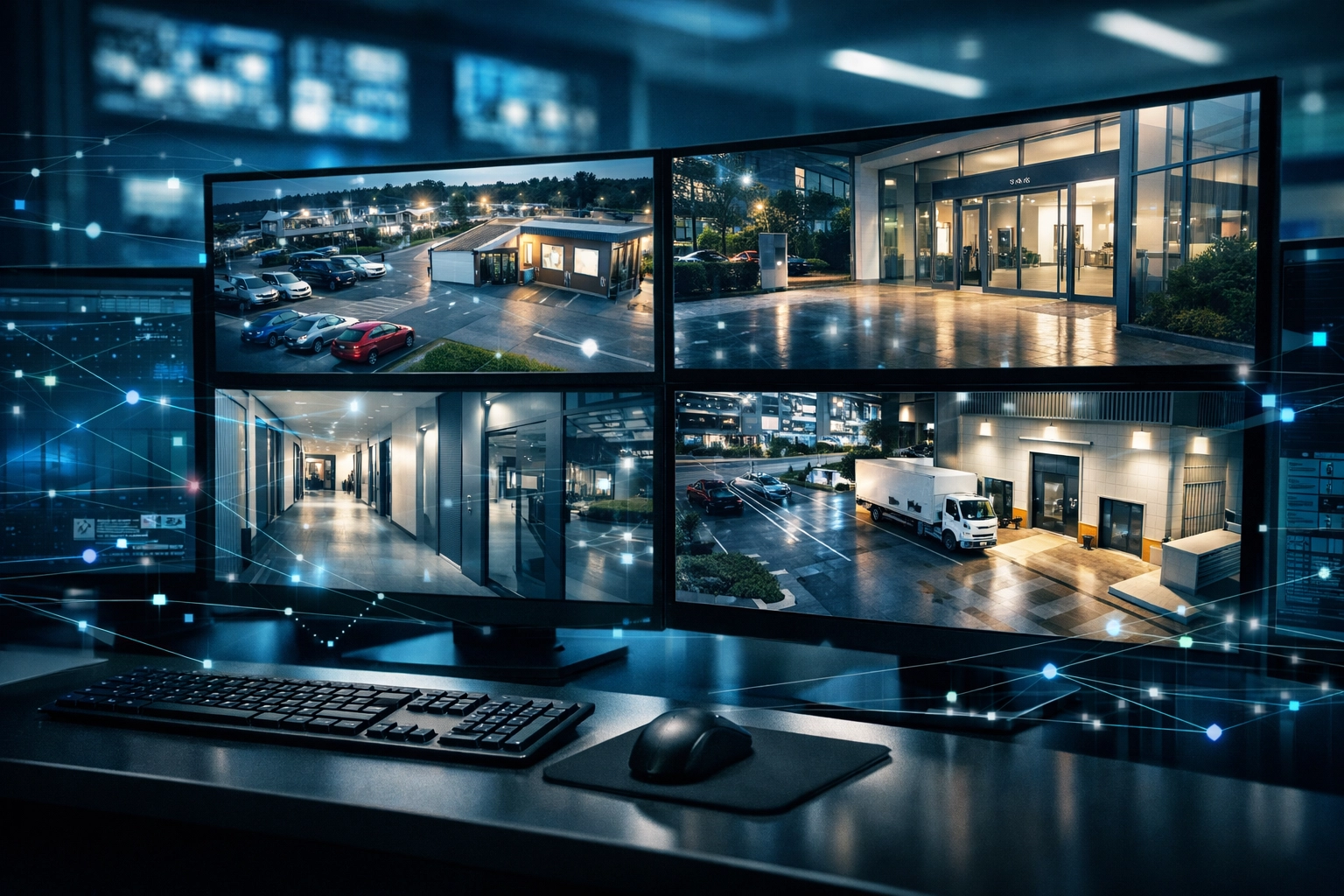
Legacy alarm systems trigger alerts. Security cameras capture footage. But during those critical first minutes of an emergency, there's a dangerous gap. Your 911 dispatcher is taking your panicked call while first responders race toward your location with minimal situational awareness. They're making educated guesses about what they'll encounter, how many officers to send, and whether EMS should roll simultaneously.
This is where 911 Camera Share through ClearPath IT bridges that gap. When you dial 911 from your business location, your existing Axis cameras can automatically share live feeds with emergency dispatchers: but only during that active call. Once the emergency ends, access terminates immediately. No footage is retained by emergency services. Your privacy remains protected while your security infrastructure finally reaches its full potential.
"The difference between a security system that records and one that actively protects is measured in response time, resource allocation, and lives saved."
Way #1: Real-Time Visual Intel Helps Dispatchers Coordinate Smarter Responses
Share your camera feeds strategically during emergencies, and you transform how first responders approach your facility. Livingston County implemented this technology in August 2024, and the impact was immediate. Dispatchers went from relying on verbal descriptions to seeing situations unfold in real-time.
For your retail location dealing with an aggressive customer, dispatchers can now see the confrontation level before officers arrive. Are multiple people involved? Is the situation escalating or de-escalating? Do you need three patrol units or one? Should EMS stage nearby?
Keep your focus on what this means for employee protection. Your overnight warehouse supervisor experiencing a medical emergency doesn't have to describe symptoms over the phone while struggling to breathe. Dispatchers see the situation, recognize the severity, and coordinate appropriate medical response immediately.
This visual intelligence helps emergency teams make evidence-based decisions rather than assumptions. For Michigan businesses operating during non-standard hours or with limited on-site staff, this capability transforms security from reactive documentation to proactive protection.
Way #2: Eliminate Costly False Alarms That Drain Resources
Strike a balance between security sensitivity and operational efficiency. Traditional alarm systems err on the side of caution: which means they also trigger false alarms that waste resources and, in many Michigan municipalities, generate escalating fines.
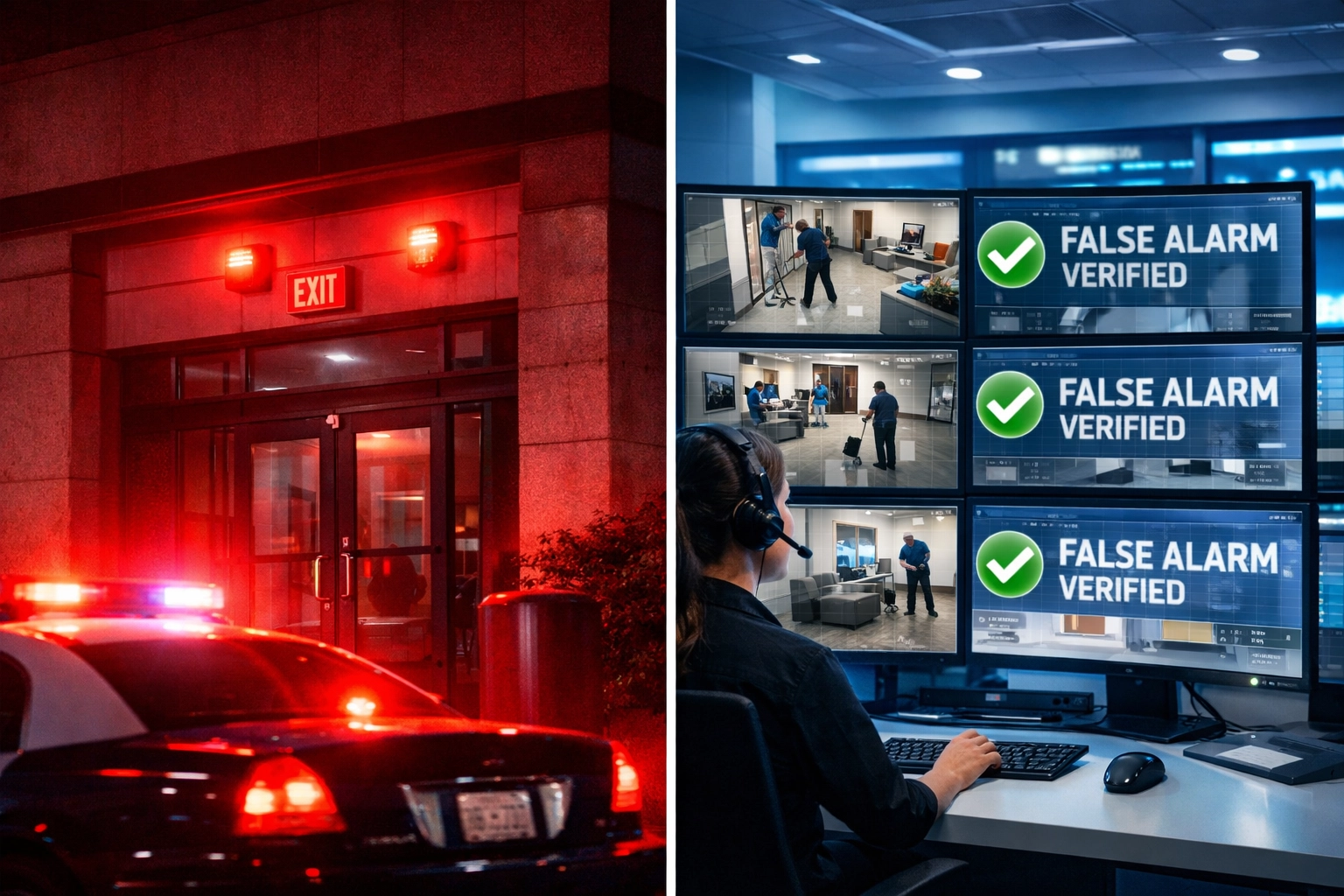
Use this space to understand the real cost of false alarms. Beyond municipal penalties, repeated false alarms condition first responders to approach your location with less urgency. The boy-who-cried-wolf effect is real, and it endangers your employees when genuine emergencies occur.
911 Camera Share solves this by letting dispatchers visually verify whether an emergency is actively in progress. That motion sensor triggered by your cleaning crew at 11 p.m.? Dispatcher confirms it's authorized personnel and cancels the unnecessary response. Your door alarm tripped by wind? Visual confirmation prevents wasted resources.
As you move toward this integrated approach, recognize that you're not just protecting your business: you're respecting the broader emergency response ecosystem. Every false alarm prevented means first responders remain available for genuine threats across your community.
Way #3: Identify Hazards and Count Threats Before Officers Enter
This is where visual intelligence becomes officer safety. Traditional 911 calls rely on caller descriptions, which are often incomplete during high-stress situations. "There's someone in the building" doesn't tell responding officers how many people, what they're doing, or what visible hazards exist.
Begin by considering scenarios specific to Michigan businesses. Your manufacturing facility experiences a workplace accident. Dispatchers seeing the situation can identify visible hazards: chemical spills, equipment placement, obstructed pathways: before EMS arrives. They relay this information so first responders enter with appropriate protection and navigate safely.
For businesses holding high-value inventory or cash, visual confirmation becomes critical. That triggered alarm could be a false positive, a single opportunistic thief, or an organized crew. Dispatchers counting individuals and observing behavior patterns help coordinate the appropriate tactical response without over- or under-deploying resources.
Your retail location dealing with an aggressive customer scenario? Dispatchers can observe body language, proximity to other customers, and whether the individual appears armed: all before officers engage. This preparation time can mean the difference between a peaceful resolution and a dangerous confrontation.
Way #4: Create Documented Liability Protection That Matters
Keep your language focused on risk management reality. When workplace incidents occur, two questions immediately emerge: What happened, and did the business take reasonable steps to prevent or respond to it?
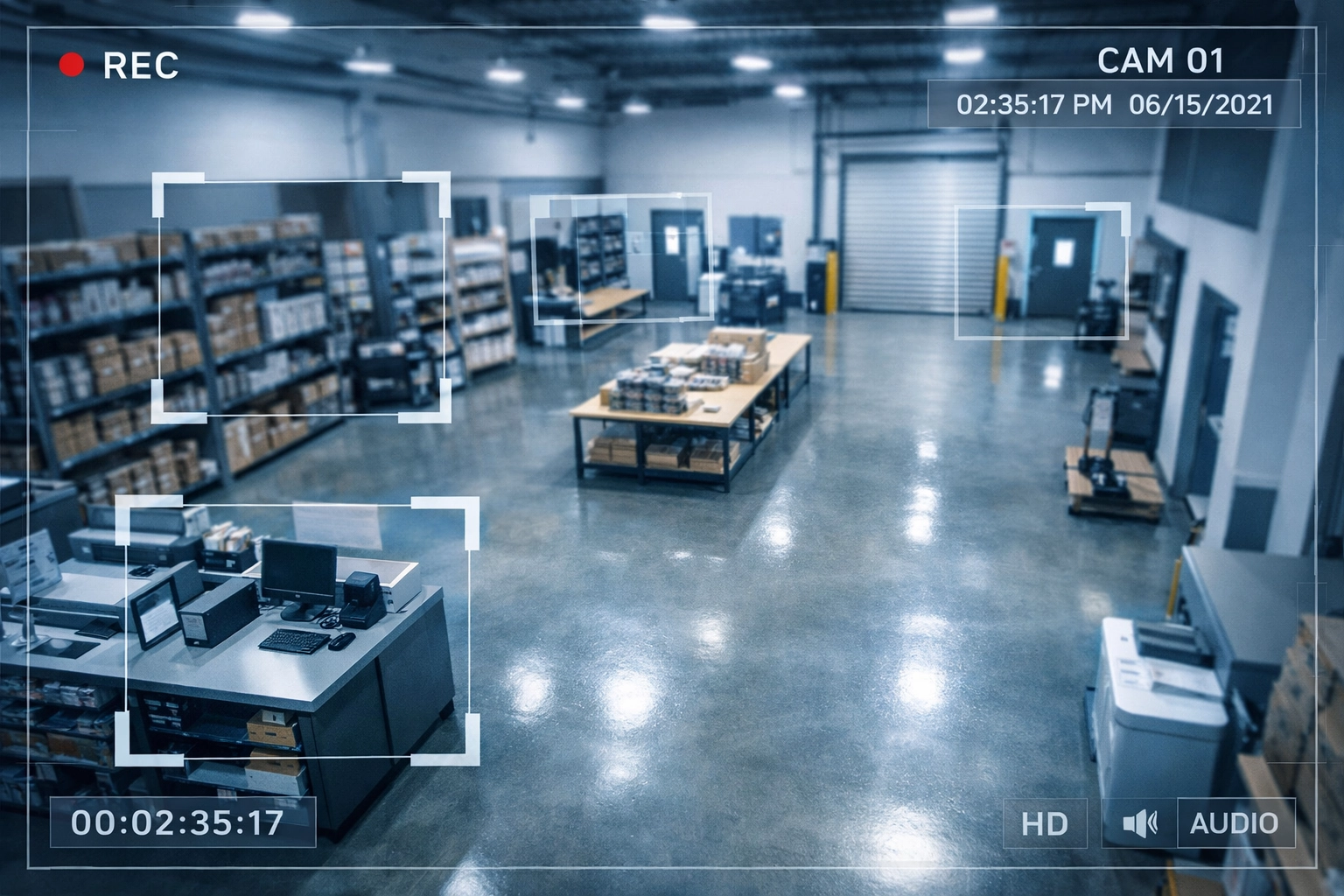
Professional-grade Axis camera footage provides factual documentation that protects against fraudulent claims. That slip-and-fall lawsuit claiming your floor was dangerously wet? Your footage shows dry conditions and proper signage. The employee alleging workplace violence? Your cameras document what actually occurred, protecting both legitimate victims and falsely accused parties.
But here's what most Michigan business owners miss: implementing 911 Camera Share creates an additional layer of documented protection. You're demonstrating that your business didn't just install cameras and hope for the best: you actively integrated them with emergency response systems to facilitate faster, more effective intervention.
When insurance claims are filed or liability questions arise, this documented commitment to comprehensive safety measures matters. You're not just meeting baseline security requirements; you're exceeding them by enabling your existing infrastructure to actively support emergency response.
As you move toward this integrated approach, recognize that you're creating a defensive record that starts before incidents occur. Your proactive investment in 911 Camera Share demonstrates reasonable care that can influence both insurance negotiations and potential litigation outcomes.
Way #5: Position Your Business for Insurance Premium Reductions
This is where long-term financial strategy meets immediate safety improvement. While not every insurance carrier currently offers premium reductions for 911 Camera Share integration: it's emerging technology: the trend is clear and accelerating.
Insurance carriers are risk management businesses. They reduce premiums for documented risk reduction. As more Michigan counties implement camera-sharing capabilities (following Livingston County's August 2024 lead), insurance industry recognition will follow. Early adopters position themselves advantageously for future premium considerations.
Share your integrated security approach during insurance renewals. Document your Axis Communications professional-grade cameras, your 911 Camera Share integration through ClearPath IT, and the resulting improvements in emergency response coordination. Even carriers not yet offering formal premium reductions recognize comprehensive risk management during underwriting reviews.
"The best time to implement advanced security integration was during your initial build-out. The second-best time is now: before your next insurance renewal or workplace incident."
Use this space to understand the compound value proposition. Your 911 Camera Share integration simultaneously protects employees, supports public safety collaboration, reduces false alarm costs, provides liability documentation, and positions you for insurance recognition. You're transforming security cameras from a cost center into a multi-dimensional risk management asset.
The Technical Integration: How ClearPath IT Makes This Seamless
Begin by recognizing that sophisticated technology should never feel complicated for end users. ClearPath IT's integration with Axis Communications creates a system that works invisibly until you need it most.
Your existing Axis cameras: already installed and operational: receive a firmware update and network configuration that enables 911 Camera Share capability. There's no disruptive hardware replacement, no operational downtime, and no staff retraining required for daily operations.
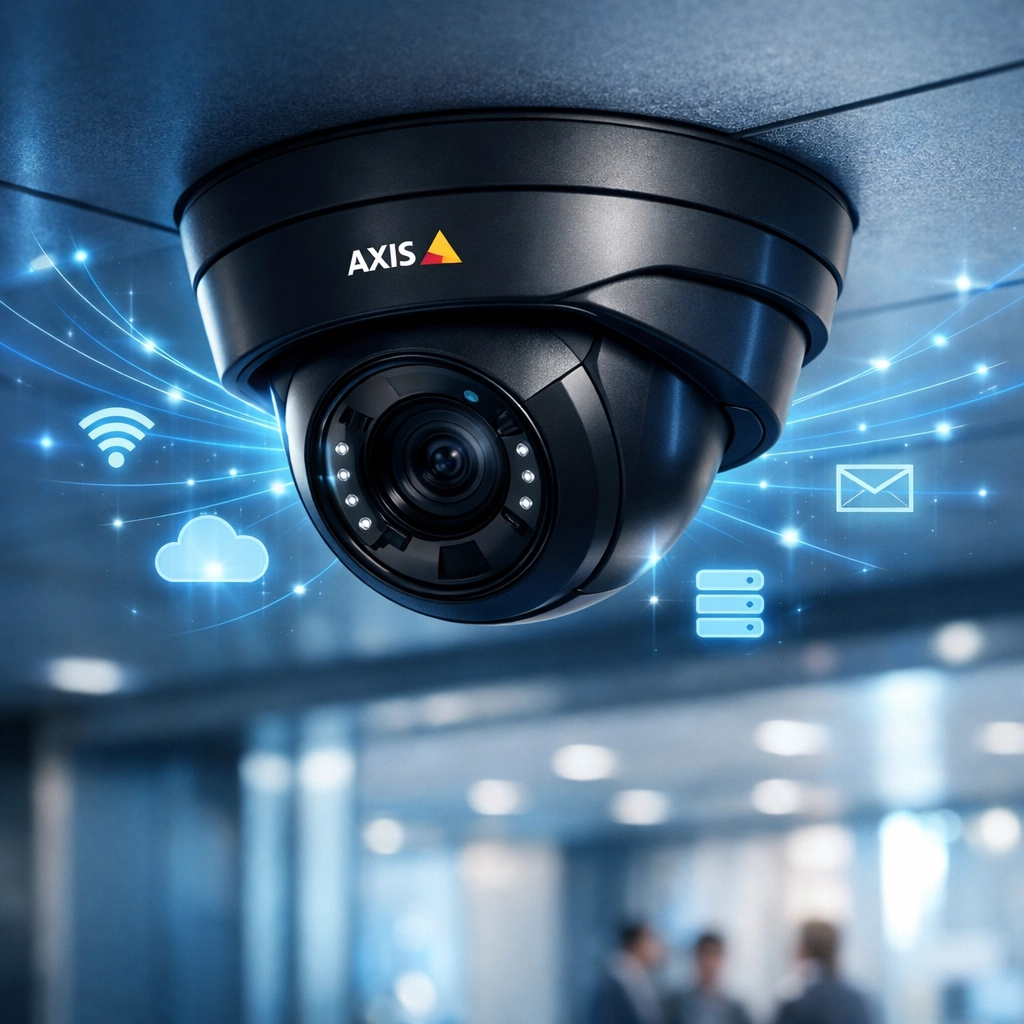
Here's how the system works during emergencies: When you dial 911 from your business location, the call triggers automatic access authorization for emergency dispatchers. They see live feeds from your designated cameras: typically entrances, parking areas, and main operational spaces. They cannot control your cameras, cannot access recorded footage, and cannot browse beyond what you've authorized for emergency sharing.
Keep your focus on the compliance framework that protects your interests. Access is event-triggered and time-limited. Once the emergency call ends, dispatcher access terminates immediately. No footage is downloaded, retained, or stored by emergency services. Your security system remains under your complete control outside active 911 calls.
For Michigan businesses already investing in professional-grade Axis Communications equipment, this integration amplifies your existing security infrastructure without multiplying your technology spending. You're leveraging what you already own to create capabilities that previously required separate systems, dedicated monitoring contracts, and complex multi-vendor coordination.
Your Next Step: Assessment and Implementation
Strike a balance between urgency and informed decision-making. While 911 Camera Share offers compelling benefits, implementation should follow proper assessment of your specific business needs, existing infrastructure compatibility, and operational requirements.
ClearPath IT begins with a comprehensive evaluation of your current Axis Communications deployment. We identify which cameras are integration-ready, recommend upgrades where necessary, and design a camera-sharing strategy aligned with your facility layout and risk profile. Not every camera needs emergency sharing capability: strategic placement matters more than comprehensive coverage.
This assessment includes consultation with your insurance carrier to document your enhanced security posture for potential premium considerations. We help you articulate the risk management value in language insurance underwriters recognize and reward.
For Michigan business owners ready to transform their security infrastructure from passive recording to active emergency coordination, the path forward starts with understanding what you already have and what's possible. Your investment in professional-grade Axis cameras through managed IT services already positions you ahead of competitors still relying on consumer-grade security systems.
The question isn't whether to integrate 911 Camera Share: it's when, and with whom. ClearPath IT combines technical expertise in Axis Communications systems with deep understanding of Michigan business security requirements and insurance considerations. We don't just install technology; we engineer comprehensive protection that helps safeguard your people, assets, and bottom line.
Important compliance note: 911 Camera Share helps dispatchers by providing verified visual context during active emergency calls. However, it doesn't guarantee faster response times: those decisions depend on unit availability, geographic location, and departmental protocols. What it does guarantee is that when first responders do arrive, they're better prepared to handle whatever situation they encounter at your facility.
Ready to explore how 911 Camera Share through ClearPath IT can help protect your Michigan business? Let's start with an assessment of your current security infrastructure and discuss the specific benefits for your industry, facility layout, and risk profile. Your employees' safety shouldn't depend on first responders guessing what they're walking into.