Begin by setting the stage for your readers. As a Michigan business owner, you already know that security isn't just about a lock on the door anymore. It’s about data, visibility, and how fast help can arrive when things go sideways. Use this introduction to lean into the concept of 911 Camera Share through ClearPath IT. You want to bridge the gap between "we have cameras" and "we have a system that actually works with first responders."
In this guide, we’re going to walk through 10 critical things you need to know about this technology. Strike a balance between technical expertise and a casual, conversational tone that makes the reader feel like they’re grabbing a coffee with James Bowers himself.
1. Bridging the Information Gap
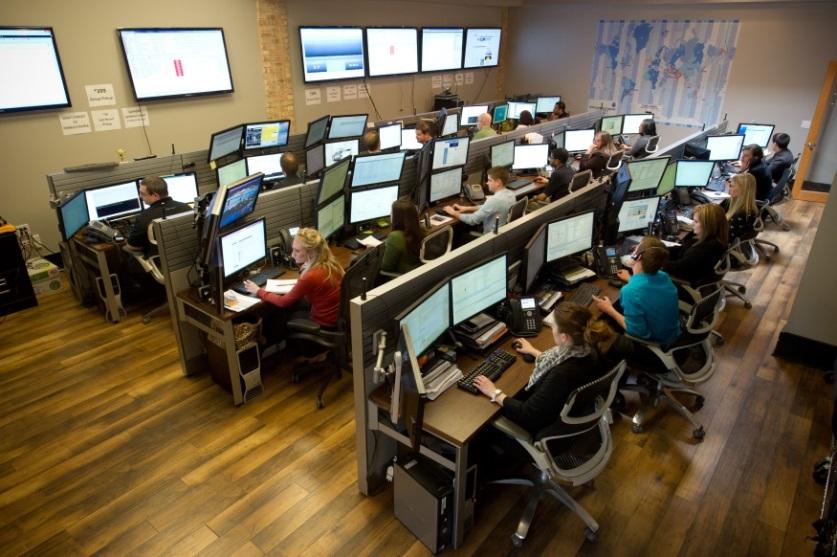
Share with your audience the reality of emergency calls: information is often garbled, panicked, or incomplete. This is where 911 Camera Share through ClearPath IT changes the game. By allowing dispatchers to see what is happening in real-time, it can help provide clarity that voice calls simply can't.
Use this space to explain that when a 911 call is placed from your business, the system creates a digital bridge. Instead of a dispatcher guessing based on a frantic description, they can see the layout of the lobby or the back dock. This isn't just tech for tech's sake; it’s about making sure the people coming to help have their eyes on the prize before they even pull into the parking lot.
"In a crisis, information is the most valuable currency. Giving first responders a visual head start isn't just an upgrade; it's a fundamental shift in how we protect our Michigan communities." : James Bowers, Owner of ClearPath360
2. Why Legacy Systems Are Only Half-Ready
Keep your language direct here. Most Michigan businesses have cameras, but if those cameras are just recording to a dusty DVR in a closet, they aren’t helping during an active event. This is the "legacy gap." You should explain that traditional Alarm Systems are reactive: they tell you something happened after it happened.
As you move toward the technical side, point out that 911 Camera Share through ClearPath IT turns your existing investment into a proactive tool. If your current Small business IT setup doesn't allow for external integration, you're essentially sitting on a goldmine of data that's locked away when it's needed most.

3. Real-Time Intel for Dispatchers
Begin by detailing what the dispatcher actually sees. It’s not a constant stream of your office life; it’s a targeted, emergency-only feed. Mention how this helps dispatchers identify suspects, locate victims, and spot hazards like fire or weapons.
In Michigan, whether you're in Detroit, Grand Rapids, or a smaller town, dispatchers are the central nervous system of public safety. Use this section to emphasize that providing them with real-time intel is like giving them a superpower. They can relay specific details to police and fire units, which can help them coordinate a more informed response.
4. The Axis Communications Connection
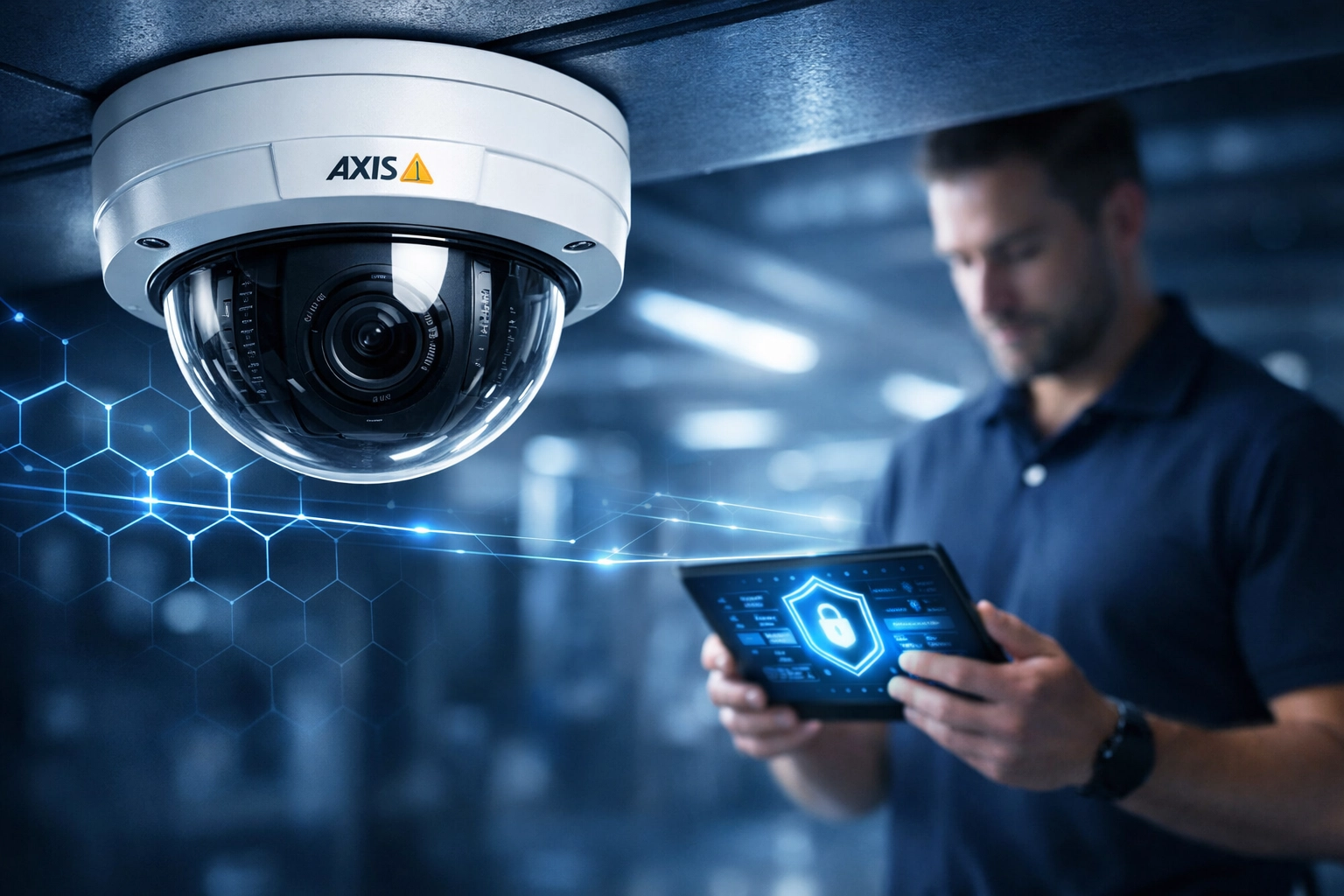
This is where you dive into the hardware. Share that 911 Camera Share through ClearPath IT relies on high-quality integration, specifically with Axis Cameras. As an Axis Communications Solution Silver Partner, ClearPath360 ensures that the hardware is up to the task.
Explain why this matters:
- Reliability: Axis cameras are built for enterprise-grade performance.
- Integration: They play nice with Access Control and Network Audio systems.
- Security: These devices are hardened against cybersecurity threats, which is vital when you're talking about Managed IT and surveillance.
5. Employee Safety and Peace of Mind
Shift the focus to the human element. Your employees are your most valuable asset. Use this paragraph to explain how knowing that the "cops can see what's happening" can provide a massive sense of security for your team.
Strike a balance here: you don't want to sound like Big Brother. Emphasize that this is about their safety. If an employee has to hit a panic button or call 911, they don't have to worry about explaining where the intruder is hiding. The system helps dispatchers find that information for them. This creates a safer work environment and shows your team that you’re invested in their well-being.
6. Privacy is a Feature, Not a Flaw
Address the elephant in the room: privacy. Many business owners worry about "always-on" surveillance by the government. Keep your language clear and reassuring. Explain that 911 Camera Share through ClearPath IT is only active during an active 911 call.
Use this space to outline the technical safeguards:
- No "Checking In": Dispatchers cannot just "browse" your cameras on a Tuesday afternoon.
- Trigger-Based: Access is only granted when an emergency call is initiated from your site.
- Automatic Cut-off: Once the incident is cleared, the feed is cut.
7. Insurance and Liability Considerations
As you move toward the business side of things, talk about the bottom line. Insurance companies love risk mitigation. While you shouldn't promise a lower premium, you should suggest that having a state-of-the-art security system integrated with local emergency services is a strong talking point with an agent.
Explain that reduced response uncertainty can help mitigate damages. Whether it’s catching a small fire before it spreads or identifying a thief before they exit the building, the faster the "intel-to-action" pipeline is, the better it is for your liability profile. This is a key part of your Cybersecurity and physical security strategy.
8. Seamless Managed IT Integration
Every piece of security tech is ultimately an IT project. Share how ClearPath360 integrates 911 Camera Share into your broader Managed IT ecosystem. You don't want another siloed system; you want it to work with your existing network.
Use this space to explain that we handle the "heavy lifting": the API connections, the bandwidth management, and the firmware updates. If your Help Desk isn't looking at your security infrastructure, you have a blind spot. We make sure your cameras are online, your network is secure, and your 911 integration is ready to roll 24/7.
9. Statewide Michigan Coordination
Geography matters. ClearPath IT works statewide across Michigan. Use this section to explain that we don't just "install and leave." We coordinate with local Michigan 911 dispatch centers to ensure they know how to access and use the system.
Whether your business is in a bustling metro area or a more rural part of the Mitten, the technical requirements remain the same. This coordination is what makes the "Share" part of 911 Camera Share actually work. It’s about building a partnership between your business, your IT provider, and your local first responders.

10. Audit Trails and Accountability
End the list with a focus on transparency. Every time a camera is accessed via 911 Camera Share through ClearPath IT, a digital footprint is left. Share with your readers that they will have access to audit logs.
Keep your language firm here: transparency builds trust. You’ll know exactly which camera was viewed, by whom, and for how long. This level of accountability ensures the system is used exactly as intended: for emergency response only. It’s the final piece of the puzzle that makes this technology a win-win for Michigan business owners.
Moving Forward with Confidence
This is your chance to summarize the value. 911 Camera Share through ClearPath IT isn't just a fancy feature; it’s a modern necessity for businesses that take security seriously. You've seen how it bridges gaps, empowers dispatchers, and protects your most important assets.
As you look at your current IT Services, ask yourself if your security system is doing enough. If you’re ready to turn your cameras into an active part of your emergency response plan, reach out to us at ClearPath360. We’re here to help you navigate the tech, handle the installation, and ensure your Michigan business is as safe as it can be.
Ready to start the conversation? Check out our Scheduling page to set up a time to chat about your security needs. Let’s make Michigan a safer place to do business, one camera at a time.