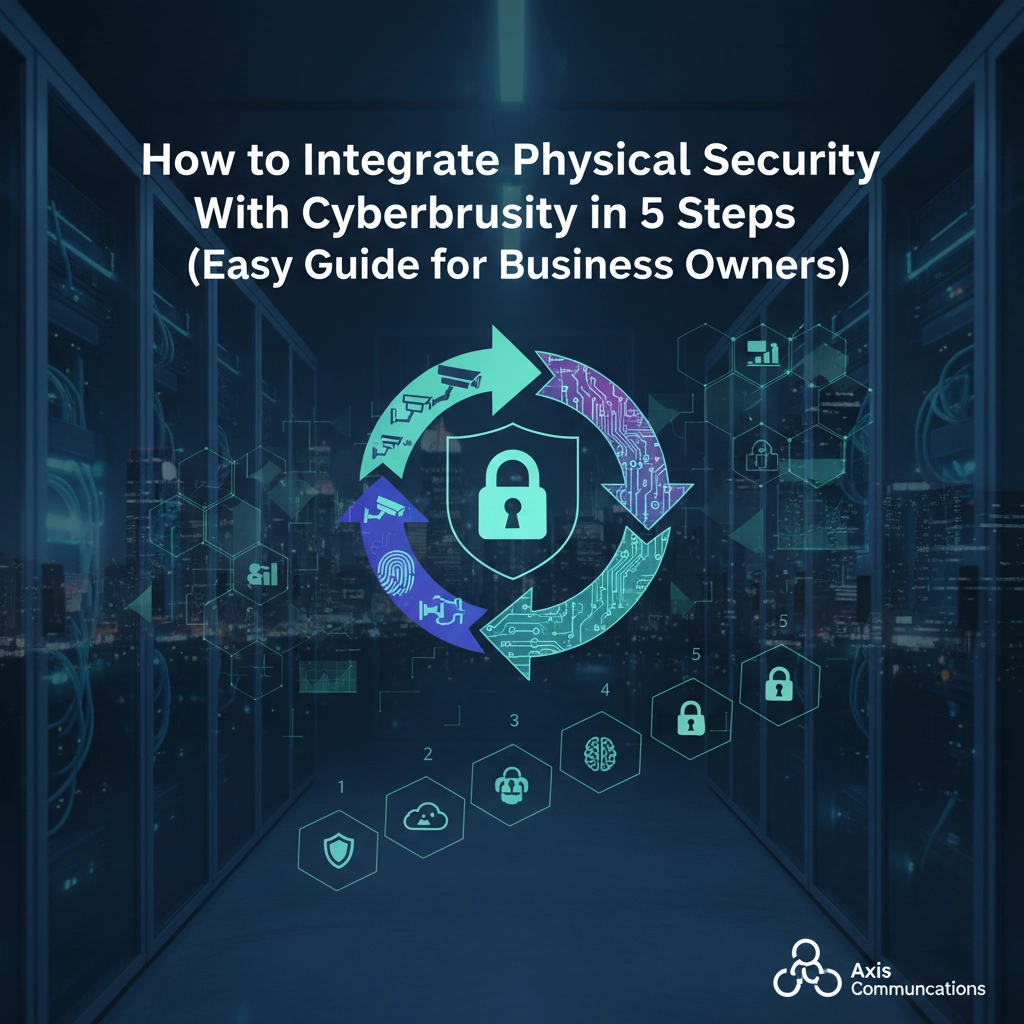
The days of treating physical security and cybersecurity as separate concerns are over. Today's threat landscape demands an integrated approach where your door locks work hand-in-hand with your firewalls, and your surveillance cameras communicate with your network monitoring systems. This comprehensive guide will walk you through five essential steps to merge these critical security domains into a unified defense strategy.
Begin by understanding that integration isn't just about buying new technology: it's about fundamentally changing how your organization thinks about security. When physical and digital security work together, they create a protective barrier that's exponentially stronger than either could achieve alone.
Step 1: Conduct a Comprehensive Security Assessment
Start your integration journey by examining both your physical and digital security landscapes with equal scrutiny. Walk through your facility and document every entry point, from main doors to loading docks to emergency exits. Note which areas currently have surveillance coverage, access controls, or security personnel presence.
Simultaneously, audit your digital infrastructure. Map out your network topology, identify all connected devices, and catalog your current cybersecurity tools. Pay special attention to areas where physical and digital systems intersect: server rooms, workstations in unsecured areas, and any IoT devices throughout your facility.
Create a vulnerability matrix that highlights gaps in both domains. Ask yourself: Could someone physically access a server and bypass network security? Are there areas where a cyber breach could compromise physical security systems? Document these intersections because they represent your highest-risk scenarios.
Use this assessment phase to establish baseline measurements for both security domains. Record current incident response times, the number of security alerts per week, and any past security breaches. These metrics will help you measure improvement as you implement your integrated approach.

Step 2: Develop a Unified Security Strategy
Break down the traditional silos between your IT department and facilities management. Schedule regular cross-departmental meetings where both teams can share insights about emerging threats and system vulnerabilities. This collaboration forms the foundation of effective security integration.
Establish clear policies that address both physical and digital access controls. Define who has authorization to enter sensitive areas and access critical systems, ensuring these permissions align across both domains. When someone's employment status changes, both their keycard access and network privileges should be updated simultaneously.
Create incident response procedures that account for scenarios where physical and cyber threats occur together. For example, if someone gains unauthorized physical access to your building, your response plan should include immediately checking for suspicious network activity from that location.
Align your security strategy with recognized frameworks like NIST or ISO 27001. These standards provide structured approaches to integrated security management and help ensure you're not overlooking critical components. Use these frameworks as your roadmap for building comprehensive protection.
Document everything in clear, accessible language that both technical and non-technical team members can understand. Your security policies become useless if people can't follow them effectively.
Step 3: Implement Integrated Security Technologies
Focus your technology investments on solutions that bridge the gap between physical and digital security. Start with access control systems that combine traditional keycards or biometric scanners with network authentication protocols. When someone badges into a restricted area, the system should log this event alongside any network access attempts from that location.
Deploy surveillance systems that integrate with your network monitoring tools. Modern IP cameras can trigger automated responses when they detect unusual activity: automatically locking doors, alerting security teams, or increasing network monitoring in specific areas. Choose cameras with built-in analytics capabilities that can distinguish between normal and suspicious behavior patterns.
Implement a centralized monitoring platform that displays both physical security events and cybersecurity alerts on unified dashboards. This gives your security team a complete picture of your threat landscape and enables faster response times when incidents occur.
Consider IoT-based security solutions that create intelligent responses to threats. Smart locks can automatically engage when network intrusion attempts are detected. Environmental sensors can alert both facilities and IT teams when server rooms experience temperature fluctuations that might indicate tampering.
Ensure all security technologies use encrypted communications and follow cybersecurity best practices. Your physical security systems should never become entry points for cyber attackers.

Step 4: Establish Comprehensive Access Control Measures
Design access control systems that verify identity and authorization across both physical and digital domains. Implement multi-factor authentication that requires something the user knows (password), something they have (keycard), and something they are (biometric identifier). This approach makes it exponentially more difficult for unauthorized individuals to gain access to sensitive resources.
Create role-based access controls that automatically adjust both physical and digital permissions based on job functions. A temporary contractor might receive limited keycard access to specific areas and corresponding network permissions that expire simultaneously when their contract ends.
Establish time-based access controls that automatically restrict access outside of normal business hours. After hours, only essential personnel should be able to enter the building or access critical systems. These restrictions should apply equally to physical entry points and network resources.
Implement visitor management systems that track temporary access while maintaining security standards. Visitors should receive limited-duration keycards that correspond to equally restricted network guest access. Both should expire automatically and generate alerts if access attempts occur after expiration.
Regularly audit access logs from both physical and digital systems, looking for patterns that might indicate security issues. Someone consistently accessing the building outside normal hours while also generating unusual network activity deserves investigation.
"Security is not a product, but a process. It's about vigilance, awareness, and constant adaptation to new threats." – Bruce Schneier
Step 5: Train Employees and Maintain Your Integrated Systems
Develop training programs that educate employees about both physical and cybersecurity threats. Help staff understand how seemingly minor physical security lapses: like propping open doors or leaving workstations unlocked: can create cybersecurity vulnerabilities. Similarly, poor password hygiene can make physical security breaches more damaging.
Conduct regular security drills that test both physical and digital response procedures. Practice scenarios where physical and cyber incidents occur simultaneously, ensuring your team knows how to coordinate responses across both domains. Use these exercises to identify gaps in your procedures and improve response effectiveness.
Create a culture of security awareness where employees feel comfortable reporting suspicious activity, whether physical or digital. Establish clear reporting channels and ensure staff know they won't face negative consequences for reporting false alarms. It's better to investigate a dozen false alerts than miss one real threat.
Implement ongoing maintenance schedules for all security technologies. Physical security systems need regular testing and updates just like cybersecurity tools. Coordinate these maintenance windows to minimize disruption while ensuring comprehensive system coverage remains intact.

Keep your integrated security strategy updated as your business evolves. New locations, additional employees, or expanded technology infrastructure all create new security considerations that require adjustments to both physical and digital protection measures.
Moving Forward with Confidence
Start implementing these steps gradually, beginning with the security assessment to establish your baseline. Focus on achieving small wins that demonstrate the value of integration before tackling more complex technology implementations.
Remember that integrated security isn't a destination: it's an ongoing process that requires continuous attention and refinement. As threat landscapes evolve and your business grows, your security approach must adapt accordingly.
The investment in integrated physical and cybersecurity pays dividends through reduced risk exposure, improved incident response capabilities, and often lower overall security costs through reduced redundancy. Most importantly, it provides the comprehensive protection modern businesses need to operate safely in an increasingly connected world.
Take action today by scheduling that comprehensive security assessment. Your integrated security journey begins with understanding where you currently stand and identifying the opportunities for improvement that will keep your business protected from all angles.