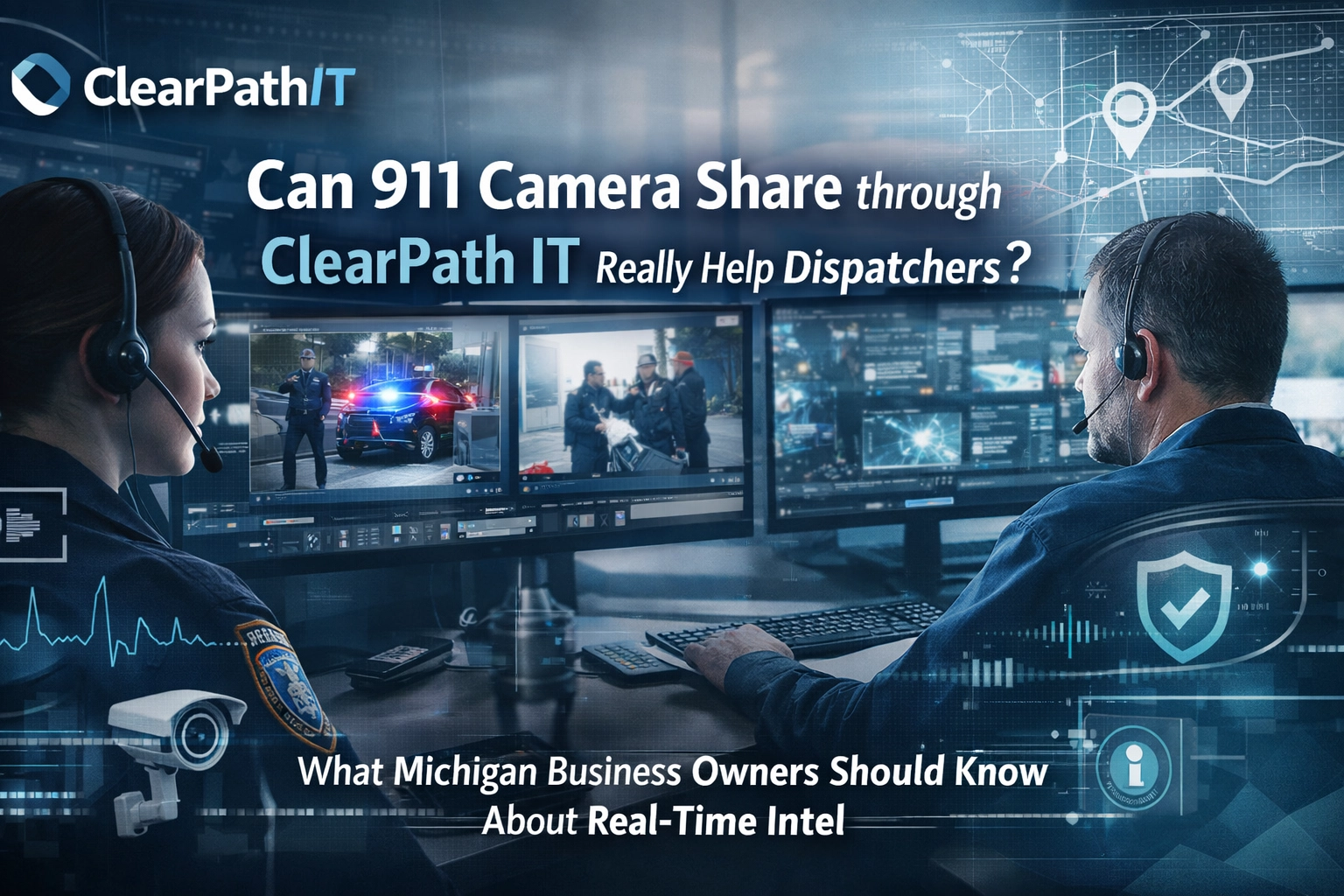
Begin by visualizing a high-stress scenario at your Michigan facility: perhaps a sudden alarm at a retail storefront in Grand Rapids or a medical emergency at a manufacturing plant in Lansing. In those first critical seconds, your primary link to safety is a 911 dispatcher. Traditionally, that dispatcher is "flying blind," relying entirely on what a panicked caller can describe over the phone. This article serves as your guide to understanding how 911 Camera Share through ClearPath IT changes that dynamic, providing a visual bridge that can help first responders act with more precision.
As you move through this guide, you will learn how modern surveillance is evolving from a passive recording tool into an active life-safety asset. We will explore the technical nuances of Axis Communications technology and why Michigan business owners are increasingly moving toward integrated solutions that prioritize real-time intelligence over historical review.
Bridging the Gap to First Responders
This section is designed to help you identify the "information gap" that exists in standard emergency protocols. When a call goes out to 911, there is a natural delay between the report and the arrival of help. During this "gap," dispatchers are tasked with coordinating police, fire, or EMS based on verbal cues. By implementing 911 Camera Share through ClearPath IT, you provide these dispatchers with the ability to see what is happening the moment the call is placed.
Share this vision with your operations team: instead of a dispatcher asking, "Is the suspect still in the building?" they can look at a live feed and tell the responding officer exactly which aisle the individual is in. Use this technology to remove the guesswork. While we cannot guarantee specific response times, having visual context helps dispatchers relay high-quality intel that can help first responders prepare for the specific reality on the ground.
"Security isn't just about recording what happened after the fact; it’s about empowering the people who can change the outcome while it's still happening." : Reflective insight for the modern business owner.
Why Legacy Systems Are Only Half-Ready
Use this space to audit your current infrastructure. Many Michigan businesses rely on legacy DVR/NVR systems that are "closed." They record locally, and while they might have a mobile app, that app is useless to a 911 operator in the heat of the moment. These systems are half-ready because they provide security but lack connectivity.
Strike a balance between your current Managed IT needs and your physical security. A legacy system often requires someone on-site to export footage or grant access: something that is often impossible during an active threat. This is where the integration of Axis Cameras and modern cloud-based APIs becomes essential. You aren't just buying a camera; you are buying an entry point into a safer ecosystem.
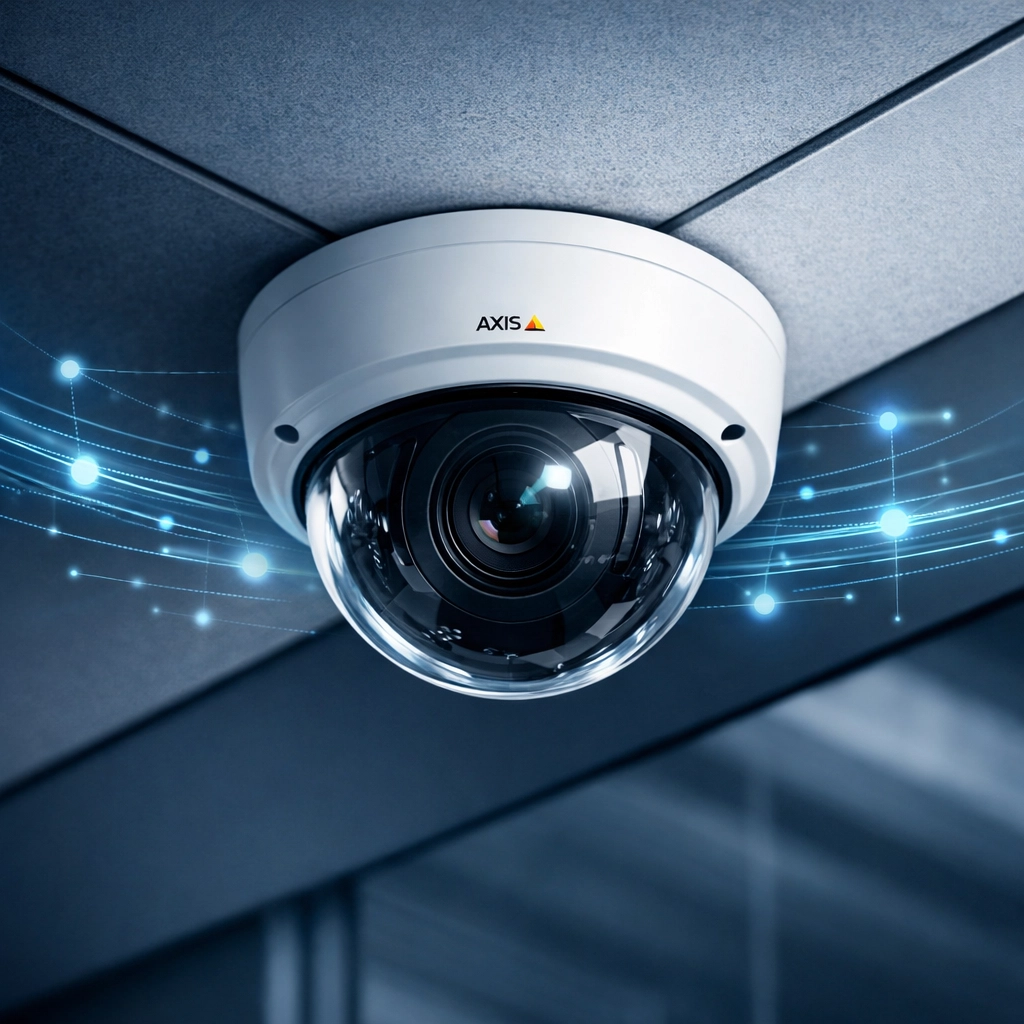
Real-Time Intel: What Dispatchers Actually See
This paragraph explicitly details the functional benefits of real-time intel for the dispatch center. When a 911 call originates from your registered business location, authorized dispatchers can gain immediate access to your pre-selected camera feeds. This isn't a "Big Brother" scenario; it is a surgical application of technology.
How this intelligence helps dispatchers:
- Structural Emergencies: Identifying smoke patterns or fire locations in large warehouses before the fire department arrives.
- Active Threats: Confirming if a person is armed, their physical description, and their exact location within the facility.
- Navigation: Guiding responders to the correct entrance or floor, which is particularly vital for complex Michigan office parks or multi-building campuses.
By providing this "eyes-on" capability, 911 Camera Share through ClearPath IT helps dispatchers move beyond fragmented verbal accounts. This level of detail is a significant upgrade from basic Alarm Systems that only send a generic signal to a monitoring station.
Protecting Your Team: Employee Safety and Privacy
Maintain a coaching voice when discussing this with your staff. It is natural for employees to have questions about privacy when they hear "911 Camera Share." Use this section to reassure them. The system is designed with strict privacy guardrails:
- Event-Triggered Access: Dispatchers cannot "peek in" whenever they want. Access is only granted during an active 911 call originating from the premises.
- Geographic Fencing: Access typically only activates if the call is within a specific radius of your business.
- Selective Sharing: You choose which cameras are shared. You can keep sensitive areas, like HR offices or breakrooms, completely private, while sharing exterior and common area feeds.
Focus on the value creation here: your employees are your most valuable asset. Showing them that you’ve invested in technology that helps dispatchers see them and protect them in a crisis can boost morale and create a sense of genuine care within the workplace culture.

Insurance and Liability Considerations for Michigan Businesses
As you move toward a more integrated security posture, consider the administrative benefits. Insurance providers often look favorably on businesses that implement proactive safety measures. While every policy is different, having a system that assists in emergency coordination can be a talking point during your next liability coverage review.
Keep your language clear when discussing this with your Help Desk or IT provider. You want to ensure that every part of your security stack: from Access Control to Network Audio: is documented and maintained. A well-documented, professional-grade security system doesn't just protect your physical assets; it protects your business from the "what ifs" of liability by ensuring that you took every reasonable step to provide a secure environment.
The Technical Foundation: Axis Communications and ClearPath IT
This section serves to explain the "how" behind the "what." The technical integration relies on high-quality hardware and secure software. At ClearPath360, we utilize Axis Communications technology because it offers the open API architecture necessary for seamless 911 sharing.

Employ a consultative tone here: you don't need to be a network engineer to understand that your Small Business IT infrastructure needs to support this bandwidth. We handle the heavy lifting: from configuring the encrypted API connections to ensuring the cameras only activate for 911 when they are supposed to. This isn't just a "plugin"; it is a managed service that requires regular health checks to ensure that when that one-in-a-million emergency happens, the connection is solid.
Integration often includes:
- Axis Cameras: High-definition video that works in low-light conditions.
- Network Audio: Allowing dispatchers to potentially broadcast instructions or warnings through on-site speakers.
- Secure APIs: No sharing of passwords or local logins; the connection is handled through a secure, audited gateway.
Moving Forward: Securing Your Michigan Facility
This is where you take action. Start by looking at your current floor plan and identifying the "high-value" areas where visual intel would be most beneficial for a first responder. Whether you are in Detroit, Grand Rapids, or Traverse City, the need for real-time intelligence is universal.
As you conclude this exploration, remember that 911 Camera Share through ClearPath IT is a partnership between your business, your IT provider, and your local first responders. It turns your surveillance system from a silent witness into an active participant in your safety strategy.
If you are ready to bridge the gap between your facility and the emergency dispatch center, contact us to discuss a site audit. We can help you evaluate your current Network Security and physical infrastructure to see how this technology can best serve your Michigan business.
End your reading here and begin the conversation with your team. The momentum of modern security is moving toward transparency and real-time data( ensure your business isn't left in the dark.)