As we approach the final stretch toward April 15th, the pressure in Genesee County isn't just coming from the IRS. For business owners, school administrators, and church leaders, this season represents a peak period for digital vulnerability. While James Bowers is out of the office ensuring our local infrastructure remains resilient, we’re taking a deep dive into why your current network auditing strategy might be failing you: and how to bridge those gaps before the tax deadline hits.
Begin by acknowledging the reality of the situation: most "audits" are nothing more than a checkbox exercise. Use this space to understand that a static report from six months ago is essentially a historical artifact, not a defensive strategy. In the world of cybersecurity, if you aren't looking at your network in real-time, you aren't really looking at it at all.
1. The "Snapshot" Fallacy
Most businesses treat network auditing like a yearly physical. You do it once, get a clean bill of health, and assume you’re good for the next twelve months. However, in 2026, threats move at the speed of AI.
Strike a balance between technical necessity and operational reality. A manual review of firewall rules is a great start, but if you have hundreds of rules, manual oversight inevitably leads to "shadow rules" and overlaps. If your audit is a snapshot rather than a continuous stream, you’re missing the evolution of threats that occur between those snapshots.
2. Ignoring the Tax Season Phishing Surge
This is where you should focus on the immediate calendar threat. Scammers are currently working overtime to intercept financial data. If your network audit doesn't specifically test your Email and Spam Protection protocols against tax-themed social engineering, it isn't working.
"True security is found not in the walls we build, but in the constant vigilance of how those walls are being tested every single day." : ClearPath360 Philosophy
3. The Digital and Physical Silo
Use this section to introduce "The Intelligent Sentry" theme. Many organizations audit their digital servers but ignore their physical access points. At ClearPath360, we believe 360-degree protection means your Security Systems and Surveillance must talk to your network. If an unauthorized person can walk into your server room because your keycard system isn't audited alongside your firewall, your "network" audit has a massive hole in it.

4. Lack of Behavioral Detection
Traditional auditing looks for known signatures of "bad" files. But what happens when a legitimate user starts behaving strangely? Perhaps a disgruntled employee is downloading the entire client database at 2:00 AM.
Keep your language directive: Start implementing behavioral detection. Modern auditing must include AI-driven analysis that flags anomalies in user behavior, not just "virus" definitions. This is the hallmark of a proactive Managed IT Service approach.
5. Shadow IT in Public Spaces
For our schools and churches in Flint and Grand Blanc, "Shadow IT" is a major hurdle. This occurs when staff or volunteers use unauthorized apps or hardware on your network.
As you move toward securing public safety environments, realize that every "smart" device: from a teacher's personal tablet to a church's new IoT thermostat: is a potential entry point. If your audit doesn't discover every device connected to the backbone, it’s incomplete.
6. The Failure of "Compliance Only" Auditing
Use this space to warn against the "Compliance Trap." Many businesses audit just enough to pass a PCI or HIPAA check. While compliance is necessary, it is not synonymous with security. An auditor might be happy with your documentation, but a hacker only cares about your open ports.

7. Overlooking Weapon Detection Integration
In 2026, public safety is paramount. For Genesee County schools, your network audit should encompass your "Intelligent Sentry" systems. Are your AI-driven weapon detection cameras properly communicating with the local authorities?
This is where you can include the importance of the 911 Camera Share initiative. A network audit should ensure that in the event of an emergency, your surveillance feeds are accessible to first responders via a secure, audited pathway. If that handshake fails during a test, it will fail during a crisis.
8. The "Remediation Gap"
Identify a common pain point: the audit produces a 50-page PDF of problems, and then… nothing happens. An audit that doesn't lead to immediate remediation is just a list of ways you're going to get hacked.
Use a coaching voice here: Don't let your audit results sit on a shelf. Prioritize findings based on risk. Fix the "Critical" items before you even finish reading the "Low" priority ones.
9. Lack of Cloud Visibility
As businesses migrate to the cloud, many assume the provider (like Microsoft or Amazon) handles all the security. This is a dangerous misconception.
Your Cloud Computing environments need specific, dedicated auditing. Misconfigured "S3 buckets" or open Azure ports are the leading causes of data breaches during tax season. If your audit stops at the physical walls of your office, it's missing 50% of your data.

10. No AI-Driven Security Strategy
Finally, address the elephant in the room: AI. Your attackers are using AI to find holes in your network. If your auditing process is still purely manual and human-led, you are bringing a knife to a laser-grid fight.
Employ directive language: Begin by integrating AI-driven scanning tools that can predict vulnerabilities before they are exploited. This is the only way to stay ahead of the curve in a post-2025 landscape.
"A network audit is not a destination; it is the compass that guides your daily security journey." : ClearPath360 Wisdom
How to Fix It Before April 15th
Now that we’ve identified why the old way isn't working, let’s talk about the solution. Fix your auditing process by moving toward a Continuous Threat Exposure Management (CTEM) model.
- Automate the Basics: Use tools that monitor your firewall and network traffic 24/7.
- Integrate Surveillance: Ensure your Axis Communications and Eagle Eye Networks solutions are part of your digital security audit.
- Localize Your Response: Partner with a team that understands the Genesee County landscape. Whether it's helping a local parish secure their donation data or a Flint school district implementing weapon detection, local expertise matters.
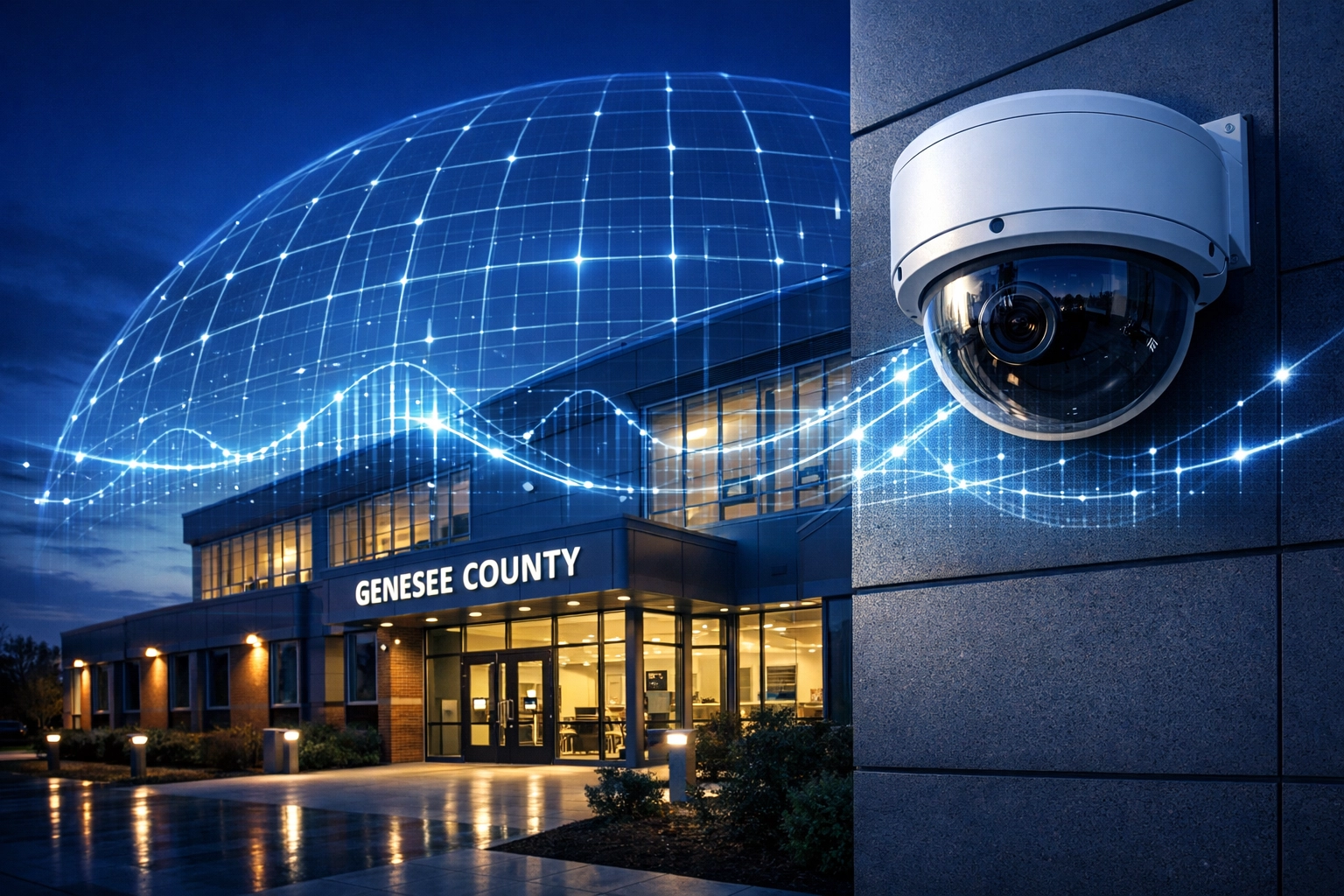
This is your chance to turn a potential disaster into a demonstration of resilience. As tax season reaches its fever pitch, having a hardened, audited network allows you to focus on your business (or your taxes) without the looming fear of a data breach.
Maintain a balance between being informative and inspirational. While the threats are real, the tools to combat them are more powerful than ever. By integrating managed IT with high-level surveillance and AI-driven behavior detection, you create a "360-degree" shield that protects your assets, your people, and your peace of mind.
As you move toward your next quarterly review, ask yourself: Is my audit telling me what happened yesterday, or is it showing me how to survive tomorrow?
Need a real-world look at your network security before the Tax Day rush?
Explore our Managed IT Services or schedule a consultation with the ClearPath360 team today. We’ll help you find the gaps before the scammers do.
Stay safe, Genesee County. We’ve got your back.