Picture this: One of your employees makes a frantic 911 call. Maybe it's a medical emergency, maybe it's an active threat. In those critical moments, every second counts. But here's the problem, dispatchers are working blind, piecing together fragments of information from a terrified caller who's likely hiding or dealing with chaos.
Now imagine if those dispatchers could see what's happening in real-time. Not five minutes from now when officers arrive. Right now. That's exactly what Michigan businesses are implementing through 911 Camera Share integrated with Axis Communications security systems.
Let me walk you through why this isn't just another security upgrade: it's a complete rethinking of how your existing technology can help protect the people who matter most.
Bridging the Gap Between Your Security System and Emergency Response
Start by understanding what most Michigan businesses already have in place: alarm systems, access control, and security cameras. You've invested in these tools to protect your property and people. But here's what's often missing: those systems typically work in isolation, reactive rather than proactive when it comes to emergency response.
When someone dials 911 from your facility, dispatchers receive audio from a panicked caller. They're asking questions, trying to paint a mental picture of a situation they cannot see. First responders arrive based on that limited information, walking into an unknown scenario.
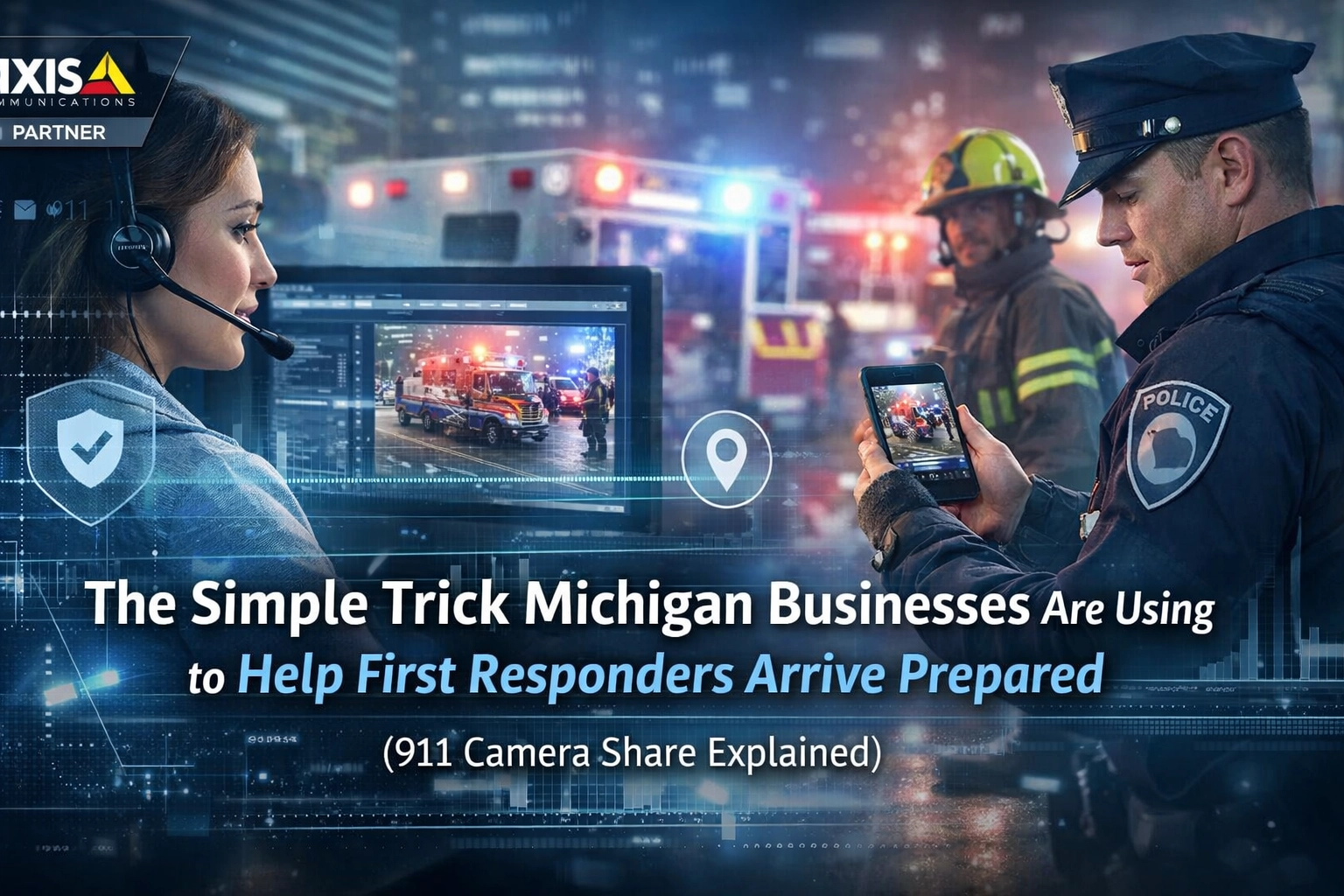
911 Camera Share through ClearPath IT changes this equation completely. The moment a 911 call originates from your registered business location, dispatchers receive instant notification that live camera feeds are available. Within seconds, they're viewing real-time video from your Axis cameras: seeing exactly what's unfolding.
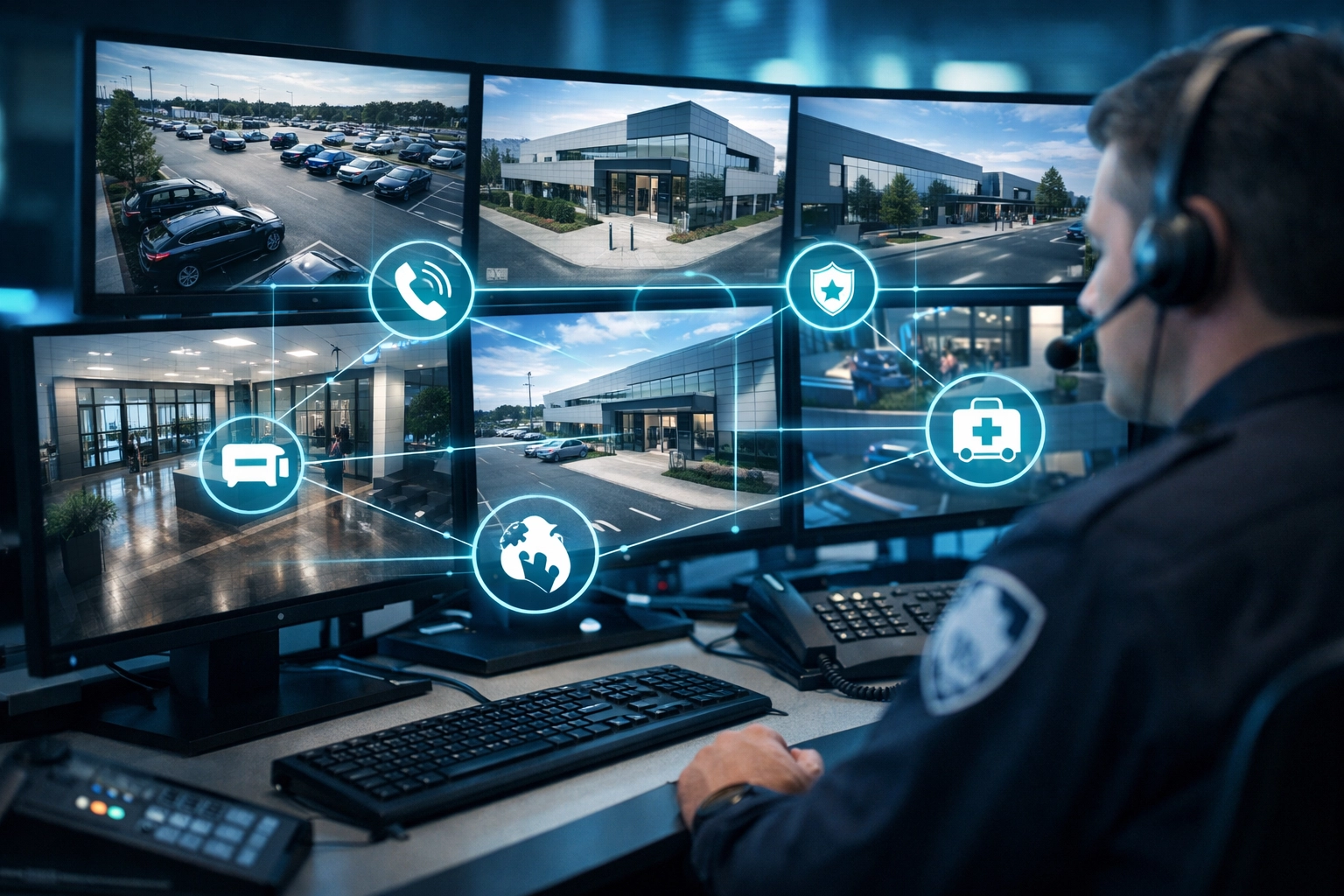
Think about the implications. Instead of guessing whether an intruder is still on premises or which direction they went, dispatchers can track movement. Instead of wondering if that medical emergency involves one person or multiple victims, they can see the scene. This visual context helps dispatchers provide better pre-arrival instructions and helps first responders arrive prepared rather than surprised.
Why Your Legacy System Is Only Half-Ready
Take a moment to assess your current security infrastructure. If you're like most small businesses in Michigan, you've probably upgraded piecemeal over the years. You added cameras when you had a break-in. You installed an alarm system because insurance required it. Maybe you implemented access control for certain doors.
Each component works fine on its own. But they're not talking to each other, and they're certainly not talking to 911 dispatch centers.
Here's where Axis Communications technology makes the difference. Unlike traditional closed-circuit systems, Axis cameras are network-based, built specifically for integration. They're designed to share feeds securely without exposing your network credentials or compromising your broader IT infrastructure.
Your legacy system might record everything beautifully. You can review footage after an incident. But during an active emergency? That footage sits locked in a DVR while dispatchers work blind and first responders prepare based on incomplete information.
Recognize that being half-ready means you're missing the moment when video intelligence matters most: while the emergency is actually happening.
Real-Time Intel That Changes How Dispatchers Work
Consider what dispatchers face during a typical 911 call from a business. They're relying entirely on verbal information from someone who's likely terrified, hiding, or dealing with an injury. The caller might be watching a suspect through a window but can't describe them accurately. They might be performing CPR based on dispatcher instructions but doing it incorrectly.
911 Camera Share through ClearPath IT transforms these interactions. Dispatchers can now see cameras within approximately 100 yards of the caller's location, giving them visual confirmation of what's being reported.

Use this capability to understand the practical applications:
Active threat situations: Dispatchers can track suspect movement, relay descriptions to responding officers, and identify safe routes for law enforcement to approach.
Medical emergencies: Visual confirmation helps dispatchers provide better CPR coaching, assess scene safety before EMS enters, and determine if additional resources are needed.
Fire or hazmat incidents: Cameras can show smoke spread, identify evacuation routes, and help responders understand building occupancy before entry.
The system activates exclusively during active 911 calls and terminates automatically when the emergency concludes. Your cameras aren't constantly streaming to dispatch centers: they're available precisely when they're needed most.
The Employee Safety Multiplier Effect
Shift your thinking from property protection to people protection. That's where 911 Camera Share delivers its most significant value for Michigan businesses.
Your employees need to know that if something goes wrong, help won't be stumbling in blind. When your team understands that a 911 call from your facility triggers immediate visual intelligence to dispatchers, it changes their sense of security. They're not alone, hoping someone understood their frantic description.
Think through common emergency scenarios in your specific business:
A retail worker dealing with an aggressive customer knows dispatchers can see the interaction escalating and guide law enforcement to intervene appropriately.
An office employee experiencing a medical crisis knows the dispatcher coaching them through first aid can actually see what they're doing and correct their technique in real-time.
A warehouse worker who witnesses an injury can make the call knowing dispatchers can see the severity and dispatch appropriate medical resources immediately.
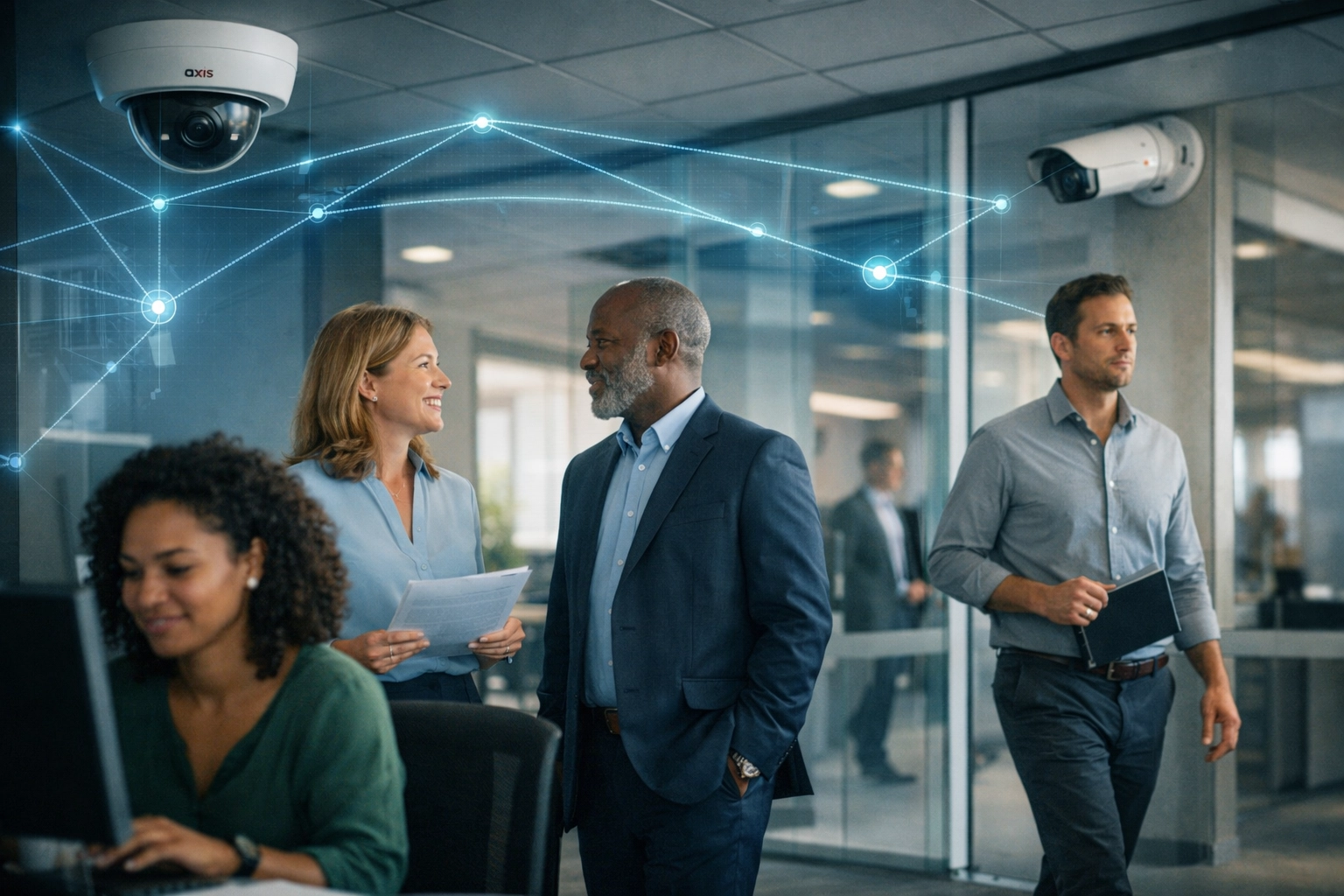
This isn't about replacing proper emergency protocols or training. It's about backing up your people with technology that helps first responders arrive better prepared to handle whatever they're walking into.
Businesses using 911 Camera Share through ClearPath IT report that employees feel more confident in their safety protocols, knowing visual backup exists during genuine emergencies.
Insurance and Liability Considerations You Can't Ignore
Pay close attention to this section, because it addresses questions your insurance broker and legal counsel are going to ask.
First, understand what you're not doing. You're not giving law enforcement 24/7 access to your cameras. You're not creating privacy issues with continuous monitoring. The system only activates during active 911 calls originating from your facility.
Second, recognize the liability protection this provides. If an incident occurs at your business, you've taken reasonable, proactive steps to help first responders arrive prepared. You've created a documented trail showing your commitment to employee and customer safety.
Third, consider the insurance implications. While specific policies vary, many insurers recognize camera-sharing programs as risk mitigation. You're reducing the likelihood of escalated incidents because response quality improves. Talk to your insurance provider about whether implementing 911 Camera Share might impact your premiums or coverage.
You maintain complete control over which cameras participate. Most Michigan businesses select exterior cameras, entry points, and parking lot coverage while excluding sensitive interior areas like offices, break rooms, or restrooms. This gives you the flexibility to balance emergency response capabilities with reasonable privacy expectations.
The Technical Integration: Why Axis Communications Makes This Possible
Here's where your managed IT provider becomes essential to making this work correctly.
Axis cameras aren't just hardware: they're intelligent network devices designed specifically for secure integration. When ClearPath IT implements 911 Camera Share, we're creating encrypted channels that never expose your network credentials or camera passwords to external systems.

The integration requires:
Network configuration: Ensuring your cameras have appropriate bandwidth and Quality of Service (QoS) settings so emergency streaming doesn't impact your daily operations.
Access control setup: Configuring which cameras participate in the program and defining the geographic triggers that activate feeds during 911 calls.
Ongoing maintenance: Regular firmware updates, security patches, and system testing to ensure feeds are available when needed.
This is where many businesses make a critical mistake: they try to implement camera sharing without proper IT support. The result is either security vulnerabilities or systems that fail during actual emergencies.
As an Axis Communications Solution Silver Partner, ClearPath IT handles the entire technical implementation while maintaining your network security. We ensure your cameras are properly configured, your network can handle emergency streaming without disruption, and your broader IT infrastructure remains protected.
Taking the Next Step
Begin by evaluating your current security camera setup. If you're already using Axis cameras, implementing 911 Camera Share is often a straightforward integration. If you're running older analog systems, this might be the catalyst for upgrading to network-based surveillance that delivers multiple benefits beyond emergency response.
Contact ClearPath IT to schedule an assessment of your facility. We'll identify which cameras make sense for the program, explain how integration works with your existing network infrastructure, and coordinate with your local dispatch center to complete registration.
The businesses across Michigan implementing this technology aren't waiting for the worst to happen. They're proactively creating an environment where, if something does go wrong, help arrives better prepared to handle it.
Your existing security cameras can do more than record footage for after-the-fact review. They can help dispatchers see what's happening right now and help first responders arrive ready to respond effectively.
That's not a guarantee of faster response times or specific outcomes: emergency response depends on many factors beyond anyone's control. But it is a practical way to ensure the information first responders need is available the moment they need it.
Ready to learn more about implementing 911 Camera Share at your Michigan business? Reach out to ClearPath IT and let's discuss how this integration can work for your specific facility and security needs.