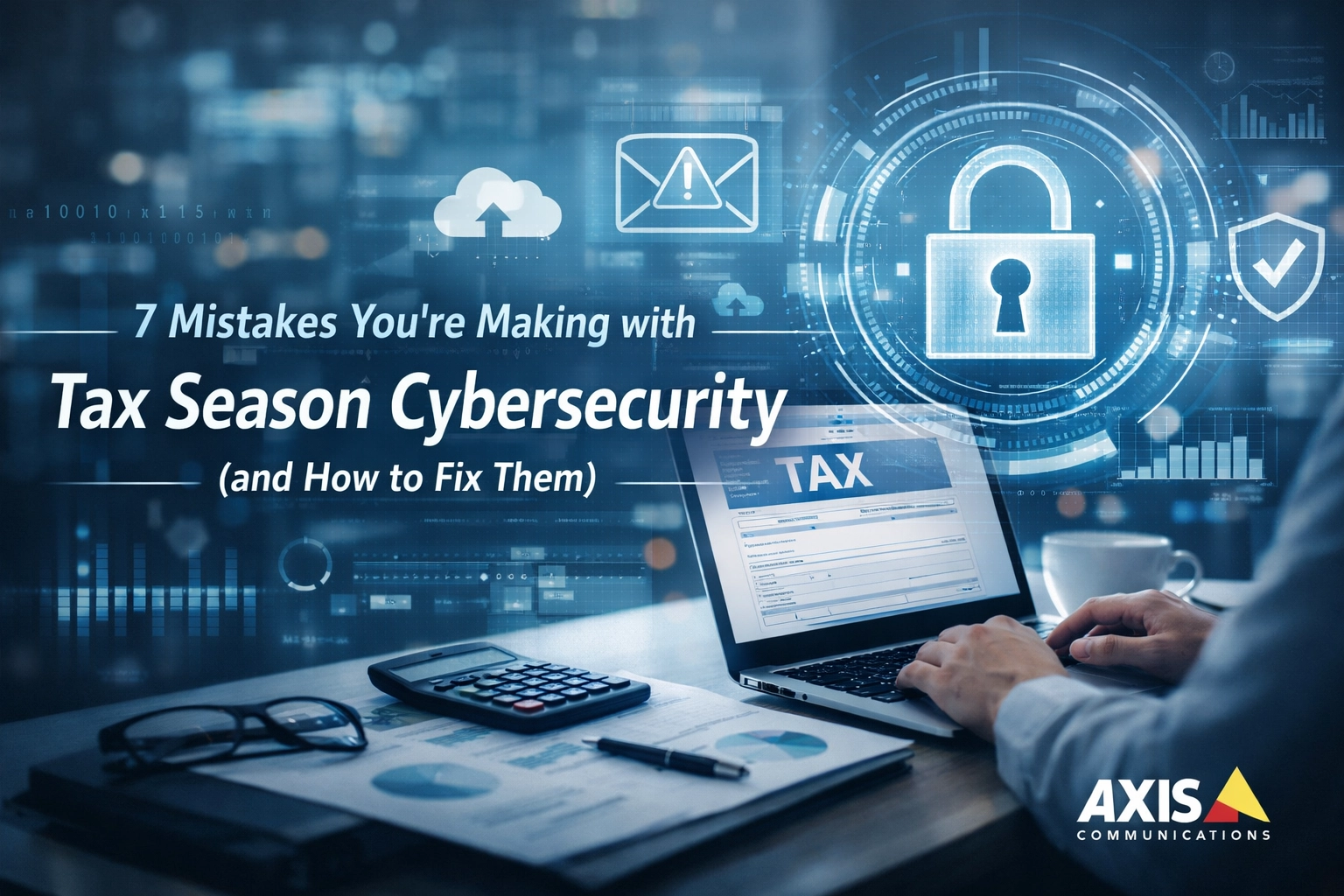
Begin by setting the context for your readers. Tax season is a period of high stress and tight deadlines, which creates the perfect environment for cybercriminals to exploit human error. Share with your audience that while they are focused on numbers and deductions, hackers are focused on their sensitive data. Use this space to establish ClearPath360 as the guardian that looks at the "360-degree" view of their business security.
As you move toward the core of the article, maintain a professional yet accessible tone. Your goal is to educate the small business owner without overwhelming them with technical jargon. Strike a balance between urgency and actionable advice.
1. Clicking Links in "Urgent" Correspondence
Begin by addressing the most common entry point for data breaches: phishing. Scammers frequently impersonate the IRS through emails and texts, often using urgent language to trigger a panic response. They may include QR codes or links directing users to fake portals designed to harvest credentials.
"In the digital age, security is not a product you buy, but a process you cultivate through awareness and proactive defense."
Use this section to provide a clear fix. Instruct your readers to never click links in unsolicited messages. Instead, they should manually type official URLs: like IRS.gov: directly into their browser. This simple habit creates a massive barrier against credential theft.

2. Trusting the Voice on the Other End
Share the evolution of phone scams with your readers. This is where you can mention the rise of AI-generated voices and spoofed caller IDs. Many business owners believe that if the caller ID says "IRS," it must be legitimate. However, modern technology allows criminals to mask their identity with ease.
Keep your language directive here. Remind your audience that the IRS generally initiates contact through physical mail first. They do not threaten immediate arrest or demand payment over the phone via gift cards or wire transfers. If a call feels suspicious, instruct the reader to hang up and call the official IRS number listed on the ClearPath360 blog or the IRS website.
3. Delegating Credentials to Unverified AI Agents
This paragraph explicitly states the function of modern convenience versus security. While AI tools can help organize financial data, sharing usernames and passwords with third-party AI tax-filing tools opens a significant fraud risk. Use this space to explain that data breaches at the AI service level can expose sensitive tax information to the dark web.
As you move toward the solution, emphasize the importance of using vetted, reputable financial software. This is where ClearPath360’s managed services provide value, as we help businesses vet their software stack to ensure that data remains within a secure perimeter.

4. The Procrastination Vulnerability
This is where you connect behavioral habits with cybersecurity risks. Many businesses wait until the final deadline to file, but delaying tax filing actually extends the "window of opportunity" for criminals. If a hacker has stolen an employee's Tax ID or Social Security number, they can file a fraudulent return and claim a refund before the legitimate business even submits its paperwork.
End this section with forward-looking momentum: advise your readers to file as early as possible. By submitting early, you "lock" your tax record for the year, making it significantly harder for identity thieves to succeed.
5. Neglecting Post-Filing Surveillance
Structure this section to focus on what happens after the documents are sent. Many people assume the risk ends once they hit "submit." This is a mistake. Share with your readers that monitoring bank accounts and IRS notifications post-filing is critical for catching anomalies.
Use a coaching voice to guide them through the process:
- Monitor your business bank accounts for unauthorized withdrawals.
- Check for IRS transcripts or notices that don't align with your records.
- Report any suspicious activity to your IT partner immediately.
Proactive monitoring is at the heart of our network security philosophy. We don't just wait for an alarm; we look for the smoke before the fire starts.

6. Sending Sensitive Docs via Standard Email
Use this space to highlight a technical but common error. Standard, unencrypted email is like sending a postcard; anyone with the right tools can read it as it travels through the web. During tax season, businesses often email W-2s, 1099s, and balance sheets to their accountants without a second thought.
Strike a balance between the risk and the modern fix. Instruct your readers to use encrypted file-sharing portals or secure cloud services. If you aren't sure if your current method is secure, check out our cloud computing services to learn how we implement secure data transit.
"A proactive approach to data transit isn't just about compliance; it's about respecting the trust your employees and clients place in your business."
7. URL Blindness: Failing to Verify the Source
The final mistake is a lack of digital situational awareness. Phishing pages are often pixel-perfect replicas of the real thing. Use this section to explain how hackers use "typosquatting" or subtle URL changes to fool users.
Instruct the reader to "Think before you click." This is your chance to emphasize a proactive network auditing mindset. At ClearPath360, we recommend businesses implement DNS filtering to automatically block access to known malicious sites, preventing this mistake before it can even happen.

The ClearPath360 Proactive Approach
As you move toward the conclusion, summarize why these mistakes happen. They happen because small business owners are busy. They happen because technology moves faster than traditional security measures. This is where you emphasize the importance of reader connection: let them know they don't have to manage this burden alone.
ClearPath360 provides a 360-degree proactive approach. This isn't just a buzzword; it means we audit your network, secure your endpoints, and train your staff to recognize these seven mistakes before they become costly disasters.
Whether it’s protecting your email and spam or ensuring your data backup and recovery plans are ready for a crisis, we focus on the technology so you can focus on your taxes.
Begin your journey toward a more secure tax season by reviewing your current protocols. Use this guide as a checklist. If you find gaps in your strategy, contact us today or visit our scheduling page to set up a consultation.
End with a forward-looking statement that creates momentum: Tax season doesn't have to be a season of vulnerability. With the right partner and a proactive mindset, you can navigate financial deadlines with total peace of mind.