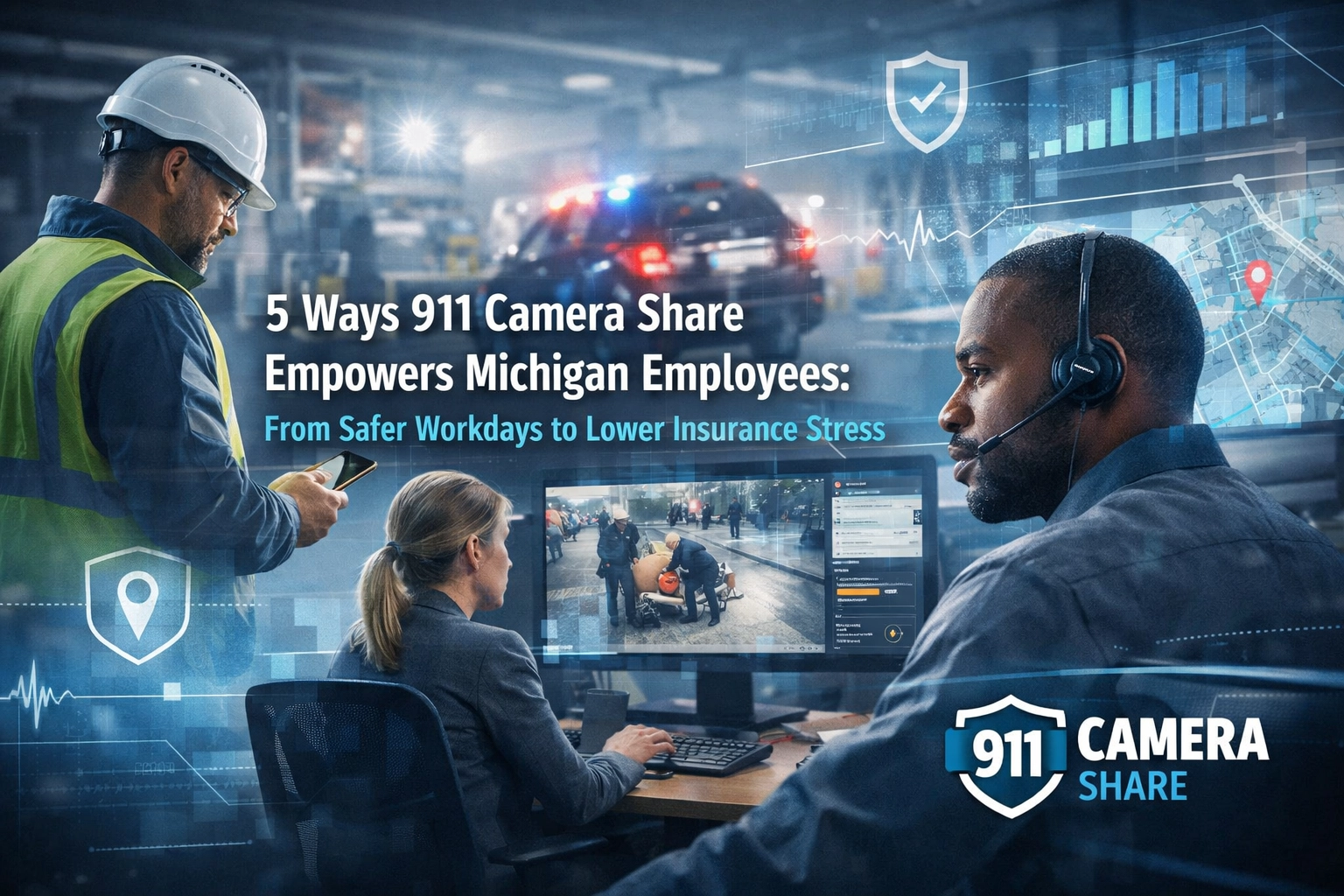
Picture this: It's 10:30 PM on a Tuesday in Grand Rapids. Your employee is closing up shop when someone starts acting erratically in the parking lot. She calls 911, heart racing, trying to describe what's happening while keeping an eye on the threat. The dispatcher asks questions, "What's the person wearing? Where are they now? Are they approaching you?", but the employee is scared, and details get fuzzy.
Now imagine the same scenario with one critical difference: The 911 dispatcher can actually see what's happening through your security cameras.
That's 911 Camera Share through ClearPath IT. And for Michigan businesses, it's transforming how we think about employee safety, emergency response, and even insurance liability. Let me walk you through exactly how this technology is making workdays safer across the state.
The Problem With Half-Ready Security Systems
Begin by understanding what most Michigan businesses are working with right now. You've invested in security cameras: maybe even a solid Axis Communications system: and you feel pretty good about that investment. Your cameras record everything. You can review footage after an incident. Check that box, right?
Not quite. Here's what legacy systems miss: They're reactive, not responsive. When your employee needs help right now, those cameras are just silent witnesses recording everything for later review. The gap between what's happening and what first responders can see remains massive.
This is where 911 Camera Share through ClearPath IT bridges that critical divide. Instead of security infrastructure sitting idle during emergencies, it becomes an active participant in protecting your team.
Way 1: Real-Time Visual Intelligence That Helps Dispatchers Act Faster
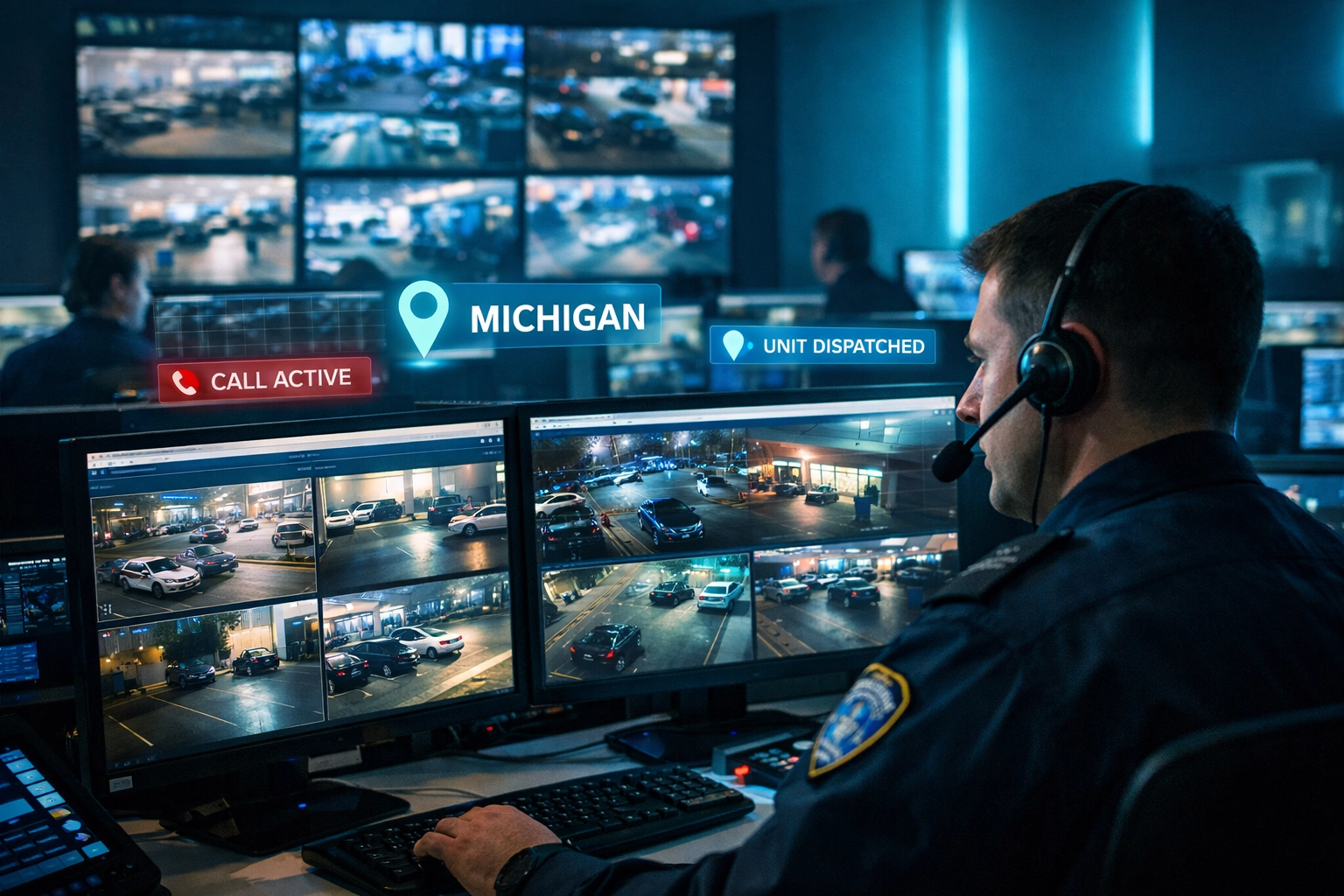
Start with the most immediate benefit: giving 911 dispatchers eyes on the scene before responders even arrive. When your employee calls for help, dispatchers using 911 Camera Share can access your camera feeds directly: no complicated passwords, no delays, no technical barriers.
This visual verification helps dispatchers in Michigan understand exactly what's unfolding. Is the person aggressive or confused? Are multiple threats present? Where exactly is your employee in relation to the danger?
With this real-time intel, dispatchers can provide more accurate guidance: "Move to the back office now: the person is heading toward the front entrance." They can also relay critical details to responding officers, helping them arrive prepared rather than surprised.
Keep your expectations realistic: This technology can't guarantee faster response times, but it can help dispatchers coordinate more effective responses. That distinction matters: especially when seconds count.
Way 2: Confidence Through Connected Protection
Use this section to understand the psychological shift that happens when employees know their workplace has 911 Camera Share integration. This isn't just about technology: it's about empowerment.
Your team members working vulnerable shifts: early mornings, late nights, weekends: carry an invisible weight. They're constantly calculating risks. Is that person in the parking lot a threat? Should I wait for someone to walk me to my car? What happens if something goes wrong?
When employees understand that help can literally see them during an emergency, that calculation changes. The anxiety doesn't disappear entirely, but it's tempered by knowing their employer has taken proactive steps to facilitate emergency response.

For small businesses across Michigan, this translates to better retention, improved morale, and team members who feel genuinely valued. Your security investment becomes visible proof that employee safety isn't just a policy: it's infrastructure.
Way 3: Turning Security Into Active Risk Management
Strike a balance here between understanding costs and recognizing value. Many Michigan business owners view security cameras as a necessary expense: something you need for insurance compliance or basic protection.
911 Camera Share through ClearPath IT flips that equation. Your cameras evolve from a sunk cost into an active risk management asset that works during emergencies, not just after.
Consider how this changes your security posture:
Traditional security cameras: Record incidents for later review, help identify perpetrators after the fact, provide evidence for claims.
911 Camera Share-enabled systems: Everything above, plus active participation in emergency response, real-time threat assessment, guided employee protection during incidents.
That's not just an upgrade: it's a fundamental shift in how your security infrastructure operates. For businesses across Detroit, Ann Arbor, Lansing, and beyond, this transformation makes existing Axis camera investments work significantly harder.
Way 4: Documentation That Protects Your Team (and Your Business)
This is where the insurance and liability conversation gets interesting. When incidents happen at your Michigan business, questions emerge quickly: Did you have adequate security? Could the situation have been handled differently? Did you take reasonable steps to protect employees?
With 911 Camera Share integration, you're creating documented proof that your security infrastructure actively supports public safety collaboration. This documentation becomes valuable evidence demonstrating that you've gone beyond basic compliance to implement systems that facilitate emergency response.
Share this perspective with your insurance provider and risk management team: You're not just recording incidents: you're actively enabling faster, more informed emergency responses. That distinction matters when claims are filed and liability questions surface.
The technology creates a clear record showing your business prioritized employee safety through integrated systems that connect directly with first responders. For Michigan businesses navigating increasingly complex liability landscapes, this documentation provides crucial protection.
Way 5: The Insurance Conversation Gets Easier
As you move toward budget planning season, consider how 911 Camera Share through ClearPath IT affects your insurance premiums. Many Michigan business owners discover that transforming security cameras into active risk management tools catches their insurance provider's attention: in a good way.
Insurance carriers love reduced risk exposure. When you can demonstrate:
- Enhanced employee safety protocols through connected emergency response
- Documented collaboration with public safety infrastructure
- Proactive measures that can help minimize incident escalation
- Clear evidence trails supporting liability protection
…that's a compelling story for risk reduction. While we can't guarantee specific premium reductions (insurance calculations involve many variables), the combination of improved safety measures and reduced liability exposure positions your business favorably.
Keep your language careful when discussing this with insurers: 911 Camera Share "helps dispatchers" and "can help facilitate faster response coordination": avoid claiming it guarantees specific outcomes. Insurance professionals appreciate honest, measured representations of technology capabilities.

The Technical Side: Axis Communications Integration
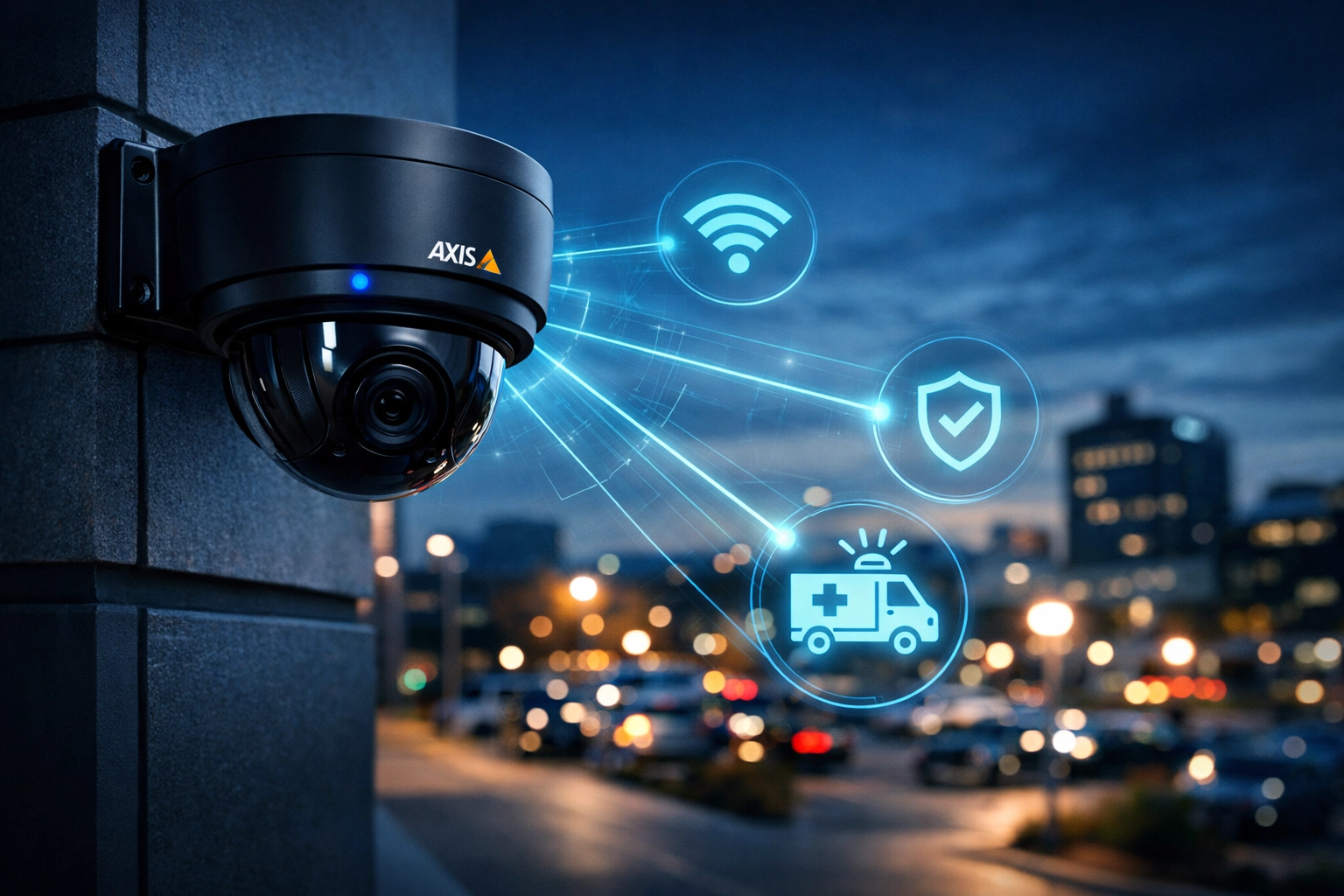
Begin your technical evaluation by understanding what makes this integration seamless. If you're already operating Axis cameras through ClearPath IT's managed services, you're most of the way there. The 911 Camera Share capability builds on your existing infrastructure rather than requiring wholesale replacement.
Here's what the integration involves:
For businesses with existing Axis systems: ClearPath IT configures secure access protocols allowing emergency dispatchers to view specific camera feeds during 911 calls. Your daily operations remain unchanged, but emergency services gain critical visibility when it matters most.
For businesses considering new systems: Axis Communications hardware provides the foundation for 911 Camera Share while delivering enterprise-grade surveillance, access control, and network audio capabilities. You're building comprehensive security infrastructure that's emergency-response-ready from day one.
The technical beauty lies in simplicity. Dispatchers don't need special training on your specific system. The interface is standardized, meaning Michigan's emergency response infrastructure can access feeds across multiple businesses using compatible protocols.
Your IT investment suddenly serves multiple purposes: day-to-day security monitoring, after-incident review, access control integration, and active emergency response support. That's the 360-degree protection approach ClearPath IT brings to Michigan businesses.

Making The Shift To Connected Protection
Use this space to evaluate your current security posture honestly. If your cameras are simply recording incidents for later review, you're operating with half-ready systems. Your employees deserve better, your insurance carrier expects more, and Michigan's emergency response infrastructure is ready to connect.
911 Camera Share through ClearPath IT transforms passive surveillance into active protection. For businesses across Michigan: from small retail shops to mid-sized manufacturers: this technology bridges the gap between having security and having connected security.
The empowerment your employees feel knowing help can actually see them during emergencies? That's not a small thing. The documentation protecting your business from liability questions? That matters immensely. The potential insurance benefits from reduced risk exposure? That's tangible ROI.
Your security investment should work as hard as your team does. When emergencies happen, those cameras should be doing more than recording: they should be helping. That's what 911 Camera Share delivers, and that's what Michigan businesses deserve.
Ready to explore how 911 Camera Share can transform your security infrastructure? Contact ClearPath IT to discuss your specific needs and discover how your existing systems can evolve into truly connected protection. Your employees' safety isn't just a policy: it's infrastructure, and it's time to make it work.